Shoebill in Mabamba Swamp: One of the Best Experiences Around Entebbe
09/08/2026
Uganda Safari Cost Guide 2026 — Real Prices, Permits, Packages & Ways to Save
12/08/2026
Uganda Gorilla Trekking Cost: What You’ll Really Pay in 2026
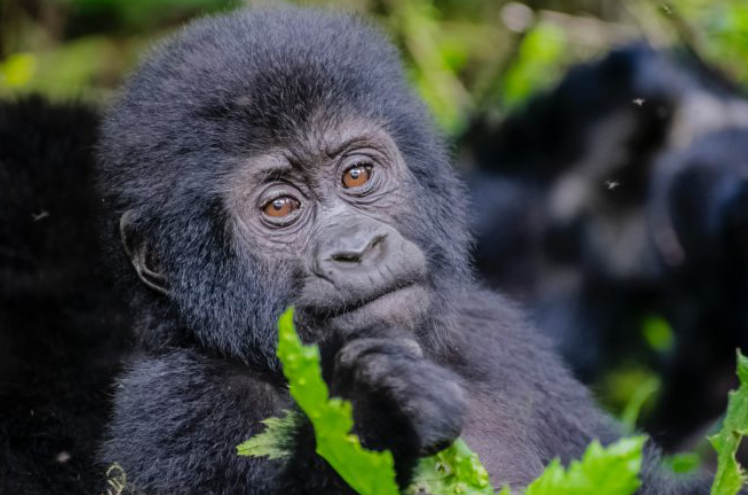
A misty mountain forest, the sound of leaves moving somewhere ahead, and then a huge silverback appearing through the vegetation can make the entire trip feel priceless. But before you get to that moment, you need to understand the numbers.
The Uganda gorilla trekking cost is more than the price of a permit. Your final budget depends on accommodation, transport, number of safari days, meals, guide services, trekking sector and the type of experience you choose.
For most international travelers, the permit is the biggest single expense, but it is only one part of the total safari.
This guide breaks down the Uganda gorilla trekking cost for 2026 so you can understand what you are actually paying for, where you can save money, and where trying to save too aggressively can make your safari worse.
Quick Facts: Uganda Gorilla Trekking Cost at a Glance
Before getting into the details, here are the numbers you need to know.
| Cost Item | Typical 2026 Cost |
|---|---|
| Standard gorilla permit | USD 800 per person |
| Reported low-season permit | USD 600 per person |
| Gorilla habituation experience | USD 1,500 per person |
| Budget 3-day gorilla safari | About USD 1,500–2,500+ |
| Mid-range gorilla safari | About USD 2,500–4,000+ |
| Luxury gorilla safari | USD 5,000+ |
| Trek duration | Roughly 2–7 hours, depending on gorilla location |
| Time with gorillas | One regulated hour |
| Main trekking destination | Bwindi Impenetrable National Park |
| Other trekking destination | Mgahinga Gorilla National Park |
The exact Uganda gorilla trekking cost varies because safari packages are built differently. One operator may include airport transfers, meals, accommodation and a private vehicle, while another may quote only the core safari services.
That is why comparing the total package price is much smarter than comparing a single headline number.

What Is the Uganda Gorilla Permit Cost in 2026?
The Uganda gorilla permit cost is the first figure most travelers discover when planning their trip.
For foreign non-residents, the standard permit is currently USD 800 per person. Foreign residents and East African citizens have different rates, while special categories can also apply depending on eligibility.
A permit is not simply an entrance ticket. It gives you access to a regulated gorilla trekking experience managed within Uganda’s protected areas.
The Uganda gorilla permit cost therefore forms the foundation of your budget before you even consider accommodation or transportation.
What Does the Gorilla Trekking Permit Include?
A standard gorilla trekking permit generally covers the regulated trekking experience, including park access associated with the activity, ranger support and the permitted time with a habituated gorilla family.
Your actual trek can be considerably longer than your viewing time.
You may spend several hours hiking through steep forest terrain before trackers locate the gorilla family. Once the family is found, visitors normally have one hour to observe them.
That distinction matters when planning your day.
Can You Pay Less for a Gorilla Permit?
Potentially, yes.
Current 2026 information reports a low-season promotional rate of USD 600 for foreign non-residents during April, May and November.
However, travelers should verify the applicable rate and availability when booking because wildlife tariffs and promotional arrangements can change.
If your dates are flexible, this is one of the biggest opportunities to reduce your Uganda gorilla trekking cost without reducing the quality of the actual gorilla encounter.
What Makes the Total Uganda Gorilla Trekking Cost Higher?
The permit is fixed, but nearly everything around it can change.
Your Uganda gorilla trekking cost can increase significantly when you choose luxury accommodation, private transportation, longer itineraries or additional wildlife activities.
1. Accommodation
Accommodation is one of the biggest variables.
Budget travelers can use simple lodges or guesthouses close to their trekking sector. Mid-range travelers generally choose comfortable safari lodges with private rooms, meals and better facilities. Luxury travelers may stay in high-end forest lodges where the accommodation itself becomes part of the safari experience.
The key rule is simple: stay near your trekking sector.
Bwindi has several trekking areas, including Buhoma, Ruhija, Rushaga and Nkuringo. Booking an attractive lodge without checking its distance from your assigned trekking point can create unnecessary driving on the morning of your trek.
2. Transportation
Getting to Bwindi is another major part of the gorilla safari cost Uganda travelers need to consider.
A road journey from Kampala or Entebbe can take much of a day depending on the route, road conditions and final sector.
Private safari vehicles provide flexibility but cost more. Shared transportation can reduce the per-person price, particularly for solo travelers or couples willing to join a small group.
Domestic flights can save substantial travel time, but they generally increase the overall package price.
3. Number of Safari Days
A three-day gorilla trip is very different financially from a seven-day Uganda safari combining gorillas, chimpanzees and classic wildlife viewing.
A short itinerary may focus almost entirely on getting to Bwindi, trekking and returning.
A longer itinerary might include Kibale National Park, Queen Elizabeth National Park, Murchison Falls or other destinations.
The longer the trip, the more you spend on accommodation, meals, vehicle use and activities.

Uganda Gorilla Safari Cost by Travel Style
There is no single price that works for every traveler.
A useful way to understand the Uganda gorilla trekking cost is to divide trips into three broad categories.
| Safari Style | Approximate Cost Per Person | Typical Experience |
| Budget | USD 1,500–2,500+ | Basic accommodation, road transport, short itinerary |
| Mid-range | USD 2,500–4,000+ | Comfortable lodge, private/shared safari vehicle, better flexibility |
| Luxury | USD 5,000+ | Premium lodge, private guiding, upgraded transport and extended itinerary |
These are planning ranges rather than fixed quotations.
A solo traveler may pay more per person because vehicle and guide costs are spread across fewer people. A couple or small group can often obtain better per-person economics.
The Uganda gorilla safari prices also change with lodge availability, travel dates and itinerary design.
Budget Gorilla Safari
Budget does not have to mean poor.
A well-designed budget trip can still give you the same core gorilla trekking experience. The main difference is where you sleep, how you travel and how many extras are included.
This is where a local operator can make a real difference. Cutting the wrong cost can create logistical problems, while cutting unnecessary luxury can save hundreds of dollars.
Mid-Range Gorilla Safari
For many travelers, mid-range is the sweet spot.
You get comfortable accommodation, reliable transport, good meals and enough flexibility to enjoy the destination without paying luxury-lodge prices.
For couples and families, this option often provides the strongest balance between comfort and value.
Luxury Gorilla Safari
Luxury travelers can turn gorilla trekking into a broader high-end East African experience.
Premium lodges, private vehicles, upgraded meals, personalized service and domestic flights can push the total price well above the permit itself.
The Uganda gorilla trekking cost becomes much less about the permit and much more about the level of comfort surrounding it.
Uganda Gorilla Trekking Cost: Uganda vs Rwanda
One of the most common questions is whether Uganda or Rwanda offers better value for gorilla trekking.
For 2026, Uganda’s standard foreign non-resident permit is USD 800, while Rwanda’s gorilla trekking permit is substantially higher at USD 1,500.
That does not automatically make Uganda the better destination for every traveler.
Rwanda’s Volcanoes National Park is highly accessible from Kigali, which can make the logistics attractive for short trips. Uganda, meanwhile, offers more varied safari possibilities and generally gives travelers a broader range of accommodation and itinerary options.
If your priority is reducing the core permit expense, Uganda is clearly attractive.
If your priority is minimizing road travel from an international airport, Rwanda may be worth considering.
For travelers who want gorillas plus chimpanzees, savannah wildlife and a longer East African itinerary, Uganda can offer particularly strong value.
How to Reduce Your Uganda Gorilla Trekking Cost Without Ruining the Trip
Trying to make your safari as cheap as possible is the wrong goal.
The better goal is to remove waste while protecting the experience.
Travel During Lower-Demand Periods
If your schedule is flexible, investigate April, May and November.
The reported low-season permit price can make a meaningful difference, although you should expect wetter conditions.
Rain does not automatically ruin gorilla trekking. Bwindi is a rainforest, and conditions can change quickly. However, muddy trails can make hiking harder.
Share Transportation
Private vehicles are convenient, but the cost can become much more reasonable when shared among several travelers.
Ask whether your operator can match you with compatible travelers rather than automatically paying for a completely private vehicle.
Choose Your Lodge Strategically
A cheaper lodge that is close to your trekking sector may be better value than an expensive property requiring additional driving.
This is one of the easiest ways to control your gorilla safari cost Uganda without sacrificing the main activity.
Avoid Overloading the Itinerary
If gorilla trekking is your primary goal, you do not necessarily need a ten-day itinerary.
A carefully planned three- or four-day trip can deliver the core experience.
If you also want chimpanzees, lions, elephants, boat safaris and cultural experiences, then extend the trip because those additional experiences genuinely add value.

What Extra Costs Should You Budget For?
The Uganda gorilla permit cost gets most of the attention, but several smaller expenses can affect the final budget.
Consider setting money aside for:
- International flights
- Uganda visa
- Travel insurance
- Tips for guides and trackers
- Porter services
- Drinks and personal purchases
- Optional cultural experiences
- Additional park activities
- Accommodation before or after the safari
- Airport transfers if not included
Hire a Porter
Hiring a porter is optional, but it can be one of the most worthwhile expenses on a gorilla trek.
A porter can carry your backpack, provide physical support on difficult sections and help you manage equipment during the hike.
More importantly, porter services provide direct economic benefits to communities living around the forest.
If you can afford it, this is not the place to save a few dollars.
Prepare for the Terrain
Do not underestimate Bwindi.
The forest is beautiful precisely because it is wild and mountainous. Some trails are steep, slippery and physically demanding.
Your Uganda gorilla trekking cost should therefore include proper preparation, not just money.
Good hiking shoes, rain protection, comfortable clothing, water and a small daypack are practical necessities.
Which Bwindi Sector Should You Choose?
Your choice of sector can affect both logistics and accommodation.
Buhoma
Buhoma is one of Bwindi’s best-known trekking areas and has a long history of gorilla tourism. It is a strong option for travelers who want to combine gorilla trekking with forest walks and community experiences.
Ruhija
Ruhija is particularly attractive for travelers interested in birding as well as gorilla trekking. The surrounding Albertine Rift environment supports impressive bird diversity.
Rushaga
Rushaga is in the southern part of Bwindi and is also associated with gorilla habituation experiences. It can work well for travelers building an itinerary around southern Bwindi.
Nkuringo
Nkuringo is known for dramatic scenery and challenging terrain. It can be an excellent choice for physically prepared travelers who want a more demanding trekking environment.
The Bwindi gorilla permit is not simply a ticket that lets you wander anywhere in the forest. Your trekking arrangements and sector matter, so accommodation should be planned around the actual permit details.
Gorilla Trekking vs Gorilla Habituation Experience
There is another option for travelers who want more time around gorillas.
A standard gorilla trekking permit provides the traditional experience, including the regulated one-hour viewing period.
The Gorilla Habituation Experience is designed for a longer encounter and currently costs significantly more for foreign non-residents.
For travelers primarily concerned with the Uganda gorilla trekking cost, standard trekking is usually the sensible choice.
Habituation is better suited to travelers who specifically want a longer, more immersive experience and are willing to pay substantially more.
Do not choose habituation simply because you assume expensive automatically means better.
Choose it because the additional time is genuinely important to you.

Frequently Asked Questions
How much does Uganda gorilla trekking cost in 2026?
The Uganda gorilla trekking cost depends on your permit, accommodation, transport and itinerary. A short budget trip can start around USD 1,500–2,500 per person, while mid-range trips commonly fall around USD 2,500–4,000 or more. Luxury trips can exceed USD 5,000 per person.
How much is the Uganda gorilla permit cost?
The standard Uganda gorilla permit cost for foreign non-residents is currently USD 800 per person. Current 2026 information also reports a USD 600 low-season rate for April, May and November. Travelers should confirm the rate applicable to their exact travel date before paying.
How much is a gorilla trekking permit in Uganda?
A standard gorilla trekking permit currently costs USD 800 for foreign non-residents. Other rates apply to eligible foreign residents and East African citizens. The permit is a major part of your safari budget, but it does not represent the entire cost of getting to Bwindi and completing the trip.
Is Uganda cheaper than Rwanda for gorilla trekking?
Generally, yes, when comparing permit prices. Uganda’s standard foreign non-resident permit is USD 800, compared with USD 1,500 in Rwanda. However, the final gorilla safari cost Uganda travelers pay depends on accommodation, transportation, trip length and other activities.
How many days do I need for gorilla trekking in Uganda?
Three days can work for a focused gorilla trip, especially if you are traveling by road from the Kampala or Entebbe area and want a simple itinerary. Four or more days provide more breathing room and allow you to add cultural experiences or wildlife destinations.
Is gorilla trekking in Uganda worth the cost?
For travelers who value rare wildlife encounters, conservation and immersive nature experiences, it can be one of the strongest wildlife experiences in East Africa. The value becomes much clearer when you understand that the permit is only part of a highly regulated conservation-based tourism system.
What is the best time for gorilla trekking in Uganda?
Uganda’s gorilla trekking destinations can be visited throughout the year. Drier periods are often preferred because trails may be easier, while wetter months can bring more challenging hiking conditions. The potential low-season permit discount in April, May and November may appeal to flexible travelers.
Final Uganda Gorilla Trekking Cost Takeaways
The biggest mistake travelers make is looking only at the permit price.
First, remember that the standard foreign non-resident permit is currently USD 800, with reported 2026 low-season pricing of USD 600 during selected months.
Second, understand that accommodation, transportation and safari duration can change your final Uganda gorilla trekking cost dramatically.
Third, do not sacrifice good logistics just to save a small amount. Staying near your trekking sector, using reliable transport and working with an experienced local operator can prevent expensive mistakes.
If you want to build a Uganda gorilla safari around your actual budget, travel dates and preferred comfort level, Bigodi Africa Expeditions can help design the itinerary around what matters most to you. Whether you want a focused gorilla trip or a longer Uganda adventure combining Bwindi, Kibale and classic wildlife destinations, start planning today. The forest is waiting.