Ultimate Guide: Is Uganda Safe for Tourists ?
26/03/2026
Complete Guide to Bwindi Impenetrable National Park
07/08/2026
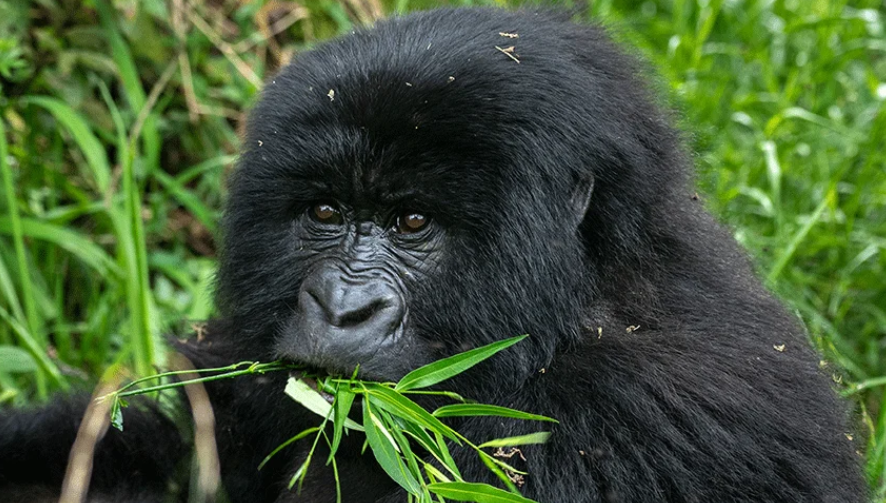
Deep inside Uganda’s mist-covered forests, a silverback can appear almost without warning. One moment you’re following a narrow trail beneath dripping leaves; the next, you’re standing quietly while one of the world’s rarest great apes feeds only meters away.
Gorilla Trekking Uganda offers exactly this kind of encounter. Unlike a traditional game drive, where wildlife is often observed from a vehicle, gorilla trekking takes you on foot into the rainforest alongside trained trackers and guides.
This 2026 guide covers the real experience: where to trek, permit costs, when to visit, what the day involves, what to pack, how difficult the trek can be, and how to build a Gorilla Safari Uganda itinerary around it.
Whether you’re considering Uganda Gorilla Trekking for the first time or comparing destinations for a longer East African adventure, here’s what you should know before booking.
Gorilla Trekking Uganda at a Glance
| Quick Fact | Details |
|---|---|
| Main trekking areas | Bwindi Impenetrable National Park and Mgahinga Gorilla National Park |
| 2026 foreign non-resident trekking permit | US$800 per person |
| Standard gorilla encounter | Up to 1 hour after locating the gorillas |
| Typical trekking duration | Roughly 1–6+ hours depending on gorilla location and terrain |
| Group size | Usually up to 8 trekkers per habituated gorilla family |
| Best overall conditions | June–September and December–February |
| Main challenge | Steep, muddy and uneven rainforest terrain |
| Recommended booking | Several months ahead, especially for peak travel periods |
What Is Gorilla Trekking Uganda Really Like?
Gorilla Trekking Uganda is a guided rainforest experience in which visitors follow trackers and park rangers in search of a habituated mountain gorilla family.
There is no fixed trail leading directly to the animals.
Gorillas move through the forest to feed, rest and build nests, meaning trackers have to determine where a family has traveled since it was last observed.
Your morning normally starts at the designated park headquarters with a ranger briefing.
You’ll learn how to behave around the gorillas, what distance to maintain, what to do if one approaches, and how the trek will operate.
Trekkers are then divided into small groups and assigned a gorilla family.
The Trek Through the Forest
This is where expectations matter.
A Gorilla Tour Uganda isn’t necessarily an easy nature walk.
You could locate your gorilla family relatively quickly, or you could spend several hours climbing hills, crossing streams and working your way through thick vegetation.
That’s part of what makes the experience authentic.
You’re finding wild animals in their natural environment rather than arriving at a predictable viewing point.
Once trackers locate the family, the atmosphere changes immediately.
Conversations become whispers.
Cameras come out.
And suddenly the exhaustion from the hike feels much less important.
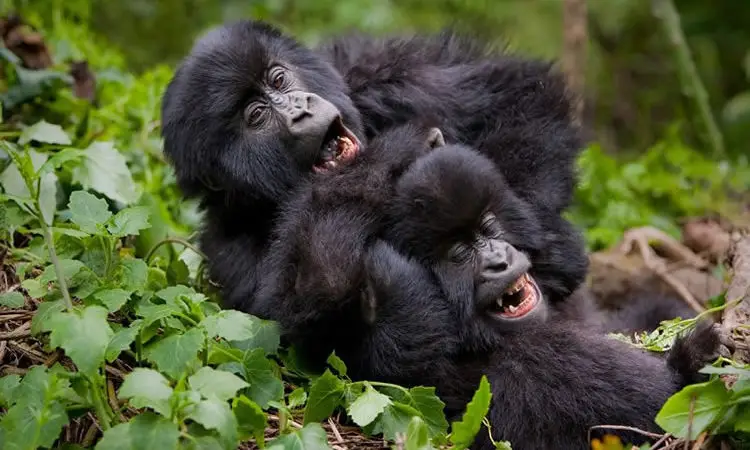
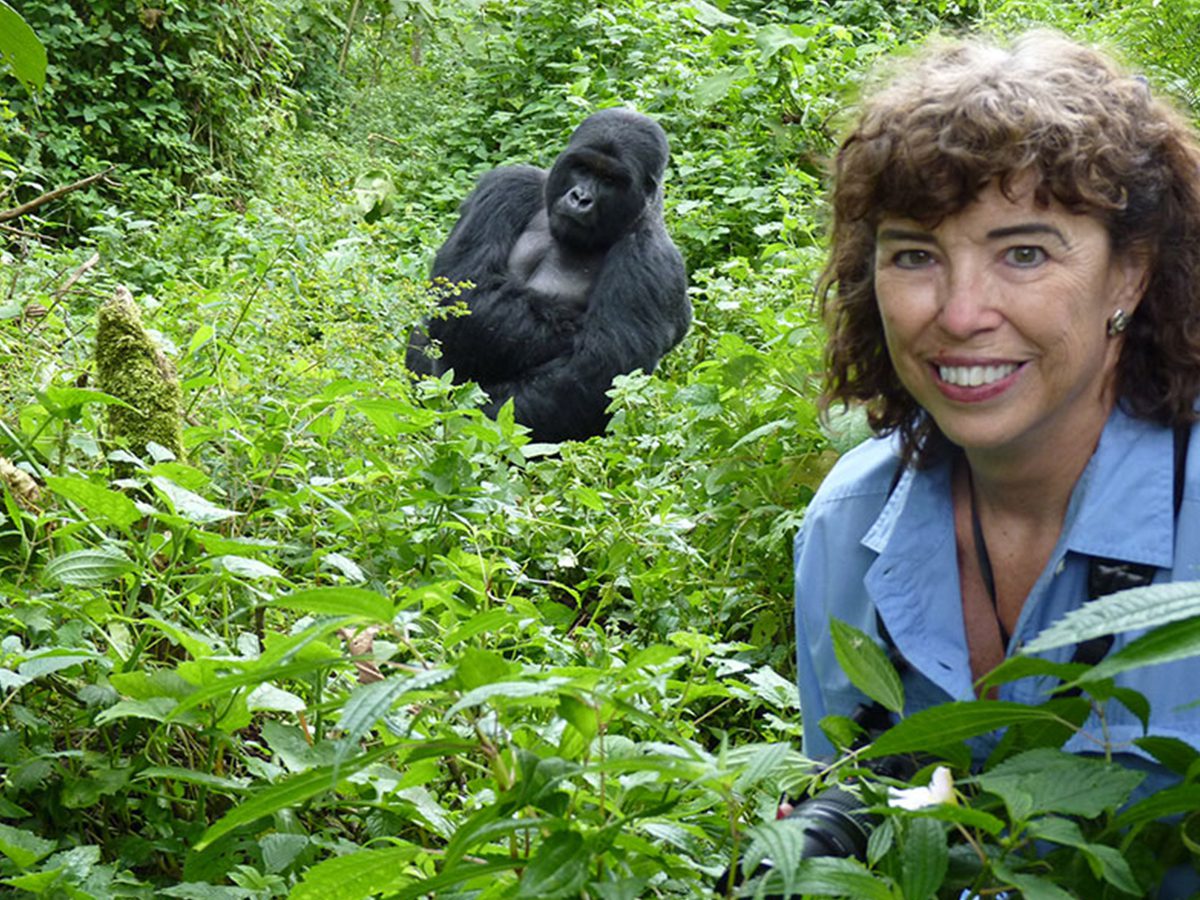
You may watch youngsters wrestling with each other, mothers caring for infants or a huge silverback sitting almost motionless while keeping watch over the group.
The standard encounter allows approximately one hour with the gorillas.
That hour passes surprisingly quickly.
Where Is the Best Gorilla Trekking Uganda Experience?
Uganda offers two primary destinations for mountain gorilla trekking.
Both provide extraordinary encounters, but they aren’t identical.
Bwindi Impenetrable National Park
For most travelers, Bwindi is the first name associated with Uganda Gorilla Trekking.
Located in southwestern Uganda, this ancient rainforest covers steep ridges and valleys filled with dense vegetation.
Bwindi trekking operates through several sectors, including:
- Buhoma
- Ruhija
- Rushaga
- Nkuringo
Your sector matters more than many first-time visitors realize.
It determines where you’ll stay, where your morning briefing takes place and which habituated gorilla families may be available for your trek.
For example, booking accommodation near Buhoma when your permit requires an early-morning briefing in another distant sector can create unnecessary logistical problems.
This is one reason arranging the journey with an experienced local operator can save considerable stress.
Mgahinga Gorilla National Park
Mgahinga provides a different atmosphere.
Set around Uganda’s Virunga volcanoes, it combines mountain scenery with bamboo forests and dramatic volcanic landscapes.
Travelers who prefer smaller destinations and want to combine their Gorilla Safari Uganda adventure with other activities may find Mgahinga particularly appealing.
Bwindi vs. Mgahinga
| Feature | Bwindi | Mgahinga |
| Landscape | Dense rainforest and steep valleys | Volcanic mountains and bamboo forest |
| Trekking options | More sectors and gorilla families | More limited availability |
| Atmosphere | Wild, ancient rainforest | Smaller and mountainous |
| Best for | First-time gorilla travelers | Travelers wanting a quieter alternative |
| Additional attractions | Forest walks and cultural experiences | Golden monkeys and volcano adventures |
Neither destination automatically guarantees an easier trek.
The gorillas decide where they’re going.
Your job is to follow.
How Much Does Gorilla Trekking Uganda Cost in 2026?
Budgeting properly is crucial because the permit isn’t the only expense involved.
For foreign non-residents, a standard Gorilla Trekking Uganda permit costs US$800 per person in 2026.
That permit provides access to the regulated trekking experience and the standard one-hour encounter after your assigned gorilla family has been located.
But your complete trip budget can include much more.
Typical Gorilla Safari Uganda Budget
| Expense | Approximate Consideration |
| Gorilla trekking permit | US$800 per foreign non-resident |
| Accommodation | Budget to luxury options available |
| Ground transportation | Depends on starting point and vehicle |
| Meals | Often incorporated into safari packages |
| Porter | Optional but strongly worth considering |
| Guide/operator services | Depends on itinerary and inclusions |
| Additional safari activities | Varies by park and experience |
A basic trip can keep additional costs relatively controlled, while private transportation and luxury forest lodges can push the total significantly higher.
Insider Tip: Don’t Judge the Trip by Permit Price Alone
Trying to save money in the wrong places can damage the experience.
Imagine saving a little on accommodation only to discover you’re staying far away from your assigned trekking sector.
Or building an extremely tight itinerary that requires hours of driving immediately before or after your trek.
Those aren’t smart savings.
Build your Uganda Gorilla Trekking itinerary around the permit location first and accommodation second.
Everything else should follow.
Best Time for Gorilla Trekking Uganda
One advantage of Gorilla Trekking Uganda is that trips operate throughout the year.
Gorillas don’t disappear during rainy months.
However, weather conditions can significantly change the difficulty of reaching them.
June to September
These months generally fall within one of Uganda’s drier periods.
Trails can be easier to navigate compared with wetter months, making this an attractive period for first-time visitors.
The downside?
Demand is higher.
Permits and popular accommodation can become harder to secure if you leave planning until the last minute.
December to February
Another relatively dry period occurs around December through February.
These months are also excellent for combining a Gorilla Tour Uganda with traditional wildlife safaris elsewhere in the country.
March to May and October to November
Wetter periods shouldn’t automatically be dismissed.
Rain transforms the forest into an intensely green landscape, creating beautiful conditions for photography.
There can also be fewer travelers.
The trade-off is mud.
Steep rainforest paths become slippery, and sudden rainfall should always be expected.
Does It Rain During the Dry Season?
Absolutely.
Bwindi is a rainforest.
A clear morning can become a heavy shower remarkably quickly.
Pack for rain regardless of the month printed on your flight ticket.
![[Image: Rainforest conditions during Uganda Gorilla Trekking adventure]](https://bigodiafricaexpeditions.com/wp-content/uploads/2024/02/tree-climbing-lions.jpg)
How Difficult Is Gorilla Trekking Uganda?
This is one of the most important questions travelers should ask.
The honest answer is:
It depends.
A trek might last around an hour before reaching the gorillas.
Another can continue for several hours.
Terrain can include:
- Muddy pathways
- Thick vegetation
- Uneven forest ground
- Stream crossings
- Steep climbs
- Slippery downhill sections
You don’t need to be an elite athlete for Gorilla Trekking Uganda, but reasonable mobility and basic fitness make the experience considerably more enjoyable.
Hire a Porter
Hiring a porter is one of the smartest practical decisions you can make.
A porter can carry your daypack and provide assistance when navigating difficult sections of the trail.
You’re also directly creating paid local work.
Even travelers who normally carry their own hiking equipment should consider using one.
Tell Your Guide About Your Fitness
Don’t pretend you’re fitter than you are.
There’s no prize for making yourself miserable.
If you have concerns about long climbs or difficult terrain, communicate them before your group allocation.
Whenever possible, this information can help guides consider an appropriate trekking experience.
What Should You Pack for Gorilla Trekking Uganda?
Packing intelligently can turn an uncomfortable day into an incredible one.
You don’t need dozens of specialist items.
You need the right ones.
Waterproof Hiking Boots
Good footwear should be your priority.
Choose boots with strong grip and preferably some water resistance.
Your fashionable white trainers aren’t going to enjoy Bwindi.
Long Trousers
Wear comfortable trousers rather than shorts.
Vegetation can scratch exposed skin, while long clothing adds protection from insects and mud.
Long-Sleeved Shirt
Choose something lightweight and breathable.
It provides additional protection without making hiking unnecessarily uncomfortable.
Rain Jacket
Carry one even when the forecast looks perfect.
Rainforest weather doesn’t care about your weather app.
Gardening or Trekking Gloves
Gloves are surprisingly useful when you need to grab branches or vegetation for balance.
Water and Snacks
Carry enough drinking water for several hours.
Your trek could be shorter than expected.
It could also be much longer.
Prepare for the longer version.
Camera Equipment
Bring your camera, spare battery and enough storage.
Avoid carrying excessive equipment unless photography is the main purpose of your trip.
You still have to hike with everything you bring.

Gorilla Safari Uganda: What Else Should You Add?
Flying all the way to Uganda, trekking gorillas and immediately leaving would mean missing much of what makes the country special.
A Gorilla Safari Uganda can combine primate trekking with savannah wildlife, boat safaris, birding and cultural experiences.
Queen Elizabeth National Park
This park pairs naturally with Bwindi itineraries.
Visitors can explore savannah landscapes, search for elephants and other wildlife, and experience boat-based wildlife viewing along the Kazinga Channel.
Kibale Forest
If meeting gorillas leaves you wanting another primate adventure, consider chimpanzee trekking around Kibale.
Chimp encounters feel completely different.
Gorillas can appear calm and deliberate.
Chimpanzees are often energetic, vocal and constantly moving.
Doing both creates a much broader understanding of Uganda’s primate diversity.
Murchison Falls National Park
For travelers with additional time, Murchison Falls adds classic safari scenery and the dramatic power of the Nile squeezing through a narrow rocky gorge.
Game drives and river experiences make it a strong contrast to the rainforest portion of the journey.
Lake Bunyonyi
After climbing through Bwindi, slowing down sounds pretty good.
Lake Bunyonyi’s hills and islands provide a peaceful addition to a longer Gorilla Tour Uganda itinerary.
Instead of cramming destinations together, leave enough breathing room to actually enjoy them.
Practical Gorilla Trekking Uganda Tips First-Time Visitors Need
A successful Gorilla Trekking Uganda experience is about more than simply buying a permit. Proper planning can make your trek smoother, safer, and much more enjoyable.
Book Your Permit Early
Gorilla trekking permits are limited because only a small number of visitors are allowed to visit each habituated gorilla family each day. If you’re planning to travel during the peak seasons of June to September or December to February, book your permit several months in advance to avoid disappointment.
Stay Close to Your Trekking Sector
Bwindi Impenetrable National Park has four trekking sectors—Buhoma, Ruhija, Rushaga, and Nkuringo. Your accommodation should match the sector printed on your permit. Staying nearby reduces early morning travel time and allows you to arrive relaxed for the pre-trek briefing.
Hire a Porter
Even experienced hikers appreciate the help of a local porter. Besides carrying your backpack, they assist on steep and slippery trails. Hiring a porter also supports the local community by creating employment opportunities.
Carry Only the Essentials
Keep your backpack light. Pack drinking water, snacks, rain gear, insect repellent, sunscreen, your camera, and any personal medication. Carrying unnecessary weight makes the trek more tiring.
Follow Ranger Instructions
Mountain gorillas are wild animals, even though they are habituated to human presence. Always follow your ranger’s instructions, maintain the recommended distance, avoid sudden movements, and never use flash photography.
Frequently Asked Questions
How much does Gorilla Trekking Uganda cost?
For foreign non-residents, a gorilla trekking permit costs US$800 in 2026. Your total safari budget will also include accommodation, transportation, meals, guide services, and optional activities.
Is Gorilla Trekking Uganda difficult?
The difficulty varies depending on where the gorilla family is located that day. Some treks last only an hour, while others may take five or six hours through steep rainforest terrain. A moderate fitness level is recommended.
What is the best time for Gorilla Trekking Uganda?
The dry seasons from June to September and December to February generally provide the best trekking conditions. However, gorilla trekking is available throughout the year.
Can beginners do Gorilla Trekking Uganda?
Yes. Many visitors have little hiking experience before their trip. Local guides set the pace, and porters are available to help throughout the trek.
Which park is best for Gorilla Trekking Uganda?
Bwindi Impenetrable National Park is the most popular destination because it has the largest number of habituated gorilla families. Mgahinga Gorilla National Park offers a quieter trekking experience with spectacular volcanic scenery.
Final Thoughts on Gorilla Trekking Uganda
Gorilla Trekking Uganda is more than just another wildlife activity—it’s one of Africa’s most unforgettable travel experiences. Standing only a few meters away from a family of endangered mountain gorillas creates memories that stay with you for a lifetime.
From choosing the right trekking sector and booking permits early to packing properly and preparing for the hike, every detail contributes to a successful adventure. Taking the time to plan well ensures you enjoy every moment in Uganda’s beautiful rainforests.
If you’re ready to experience the incredible world of Mountain Gorillas Uganda, let Bigodi Africa Expeditions help you plan every detail of your journey. Our experienced local team will arrange permits, accommodation, transportation, and customized safari itineraries that match your travel style and budget.
Book your dream Gorilla Safari Uganda today and discover why Uganda is one of Africa’s most extraordinary wildlife destinations. Your unforgettable adventure begins with Bigodi Africa Expeditions.