Ultimate Rwanda Gorilla Trekking Guide: 2026 Costs, Permits, Best Time, Difficulty & Itinerary
26/08/2026
Rwanda Gorilla Trekking Cost Guide 2026: Permits, Packages, Lodges & Money-Saving Tips
31/08/2026
Uganda vs Rwanda gorilla trekking: Which safari fits you?
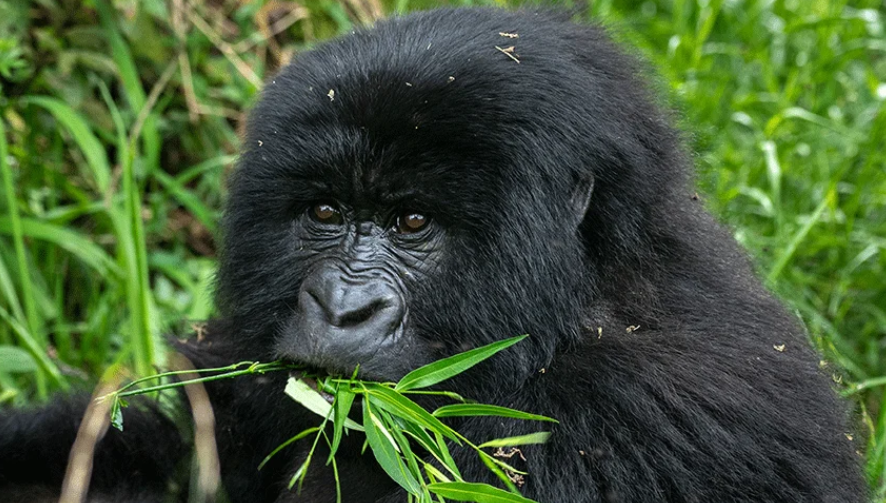
Uganda vs Rwanda gorilla trekking is not really a question of which country has better gorillas. It is a question of what kind of safari you want. Both destinations give you a rare encounter with habituated mountain gorillas, but the journey around that encounter can feel completely different.
Quick answer: Uganda vs Rwanda gorilla trekking
For Uganda vs Rwanda gorilla trekking, the simplest choice is this: if your priority is value, a longer safari, chimpanzees, savannah wildlife and a more rugged forest setting, Uganda is the stronger choice. If your priority is easy access from Kigali, a compact itinerary and a premium lodge experience, Rwanda has the edge.
In any Uganda vs Rwanda gorilla trekking budget, that USD 700 difference is not small, especially for couples or families. Uganda also offers the Gorilla Habituation Experience at USD 1,500 for four hours with a habituating family, while standard Uganda gorilla trekking gives you one hour with a habituated family.
At a Glance
| Factor | Uganda | Rwanda |
|---|---|---|
| Main trekking areas | Bwindi and Mgahinga | Volcanoes National Park |
| Standard permit | USD 800 | USD 1,500 |
| Standard gorilla time | Up to 1 hour | Up to 1 hour |
| Typical access | Longer from Entebbe; flights to nearby airstrips possible | About 2–3 hours from Kigali |
| Terrain | Dense, steep rainforest; varied by sector | Volcanic slopes, bamboo and montane forest |
| Best advantage | Value and broader safari | Convenience and premium positioning |
| Best for | Longer, varied safaris | Short, efficient trips |
Uganda vs Rwanda gorilla trekking: what is actually different?
The gorilla encounter itself is remarkably similar, which is why Uganda vs Rwanda gorilla trekking should focus on the full travel experience. In either country, you trek with trained rangers and trackers, find a habituated family, and are allowed a limited viewing period. The big differences appear before and after that hour.
Uganda’s Bwindi Impenetrable National Park is a huge, ancient rainforest with four main trekking sectors: Buhoma, Ruhija, Rushaga and Nkuringo. Mgahinga Gorilla National Park adds another option in the Virunga landscape. The forest can be thick, muddy and steep, and the walk can be short or demanding depending on where the gorillas have moved.
Rwanda concentrates its trekking in Volcanoes National Park. The landscape feels more open in many places, with bamboo and montane vegetation on the slopes of the Virunga volcanoes. The major logistical advantage is simple: Kigali is much closer to the gorilla trekking area than Entebbe is to Bwindi.
That is why Uganda vs Rwanda gorilla trekking should be judged as a whole trip.
The gorillas are not the deciding factor
Mountain gorillas do not become more impressive because you crossed a national border. Your chances of having a powerful encounter depend on the family you are assigned, the day’s movements, weather, vegetation and the skill of your tracking team.
The smarter question is: where will the rest of your safari be better for me?
If you want Kibale chimpanzees, Queen Elizabeth National Park, Murchison Falls, Kidepo Valley or serious birding, Uganda gives you far more room to build a diverse itinerary. Rwanda is excellent when you want gorillas combined with Kigali, Akagera, Nyungwe or golden monkey tracking.
Uganda gorilla trekking vs Rwanda: cost and value in 2026
In Uganda vs Rwanda gorilla trekking, cost is where the comparison gets serious.
A standard Uganda permit for foreign non-residents is USD 800 under the current 2026 tariff structure. Rwanda’s standard permit for foreign non-residents is USD 1,500. In both cases, the permit is only one part of the trip. Accommodation, transport, meals, porter fees, tips and international flights are separate.
For two travellers comparing Uganda vs Rwanda gorilla trekking, the permit difference alone is USD 1,400. That money can pay for extra nights, a domestic flight, better accommodation, chimpanzee trekking or another safari activity in Uganda.
Rwanda’s higher permit price does not mean the gorillas are better. It reflects Rwanda’s high-value tourism model and the premium positioning of Volcanoes National Park. The country can be an excellent choice if time is expensive and you want to minimise road travel.
In Uganda vs Rwanda gorilla trekking, Uganda often wins on total safari value because the gorilla permit can sit inside a much broader wildlife itinerary. A well-planned route can connect gorillas with chimpanzees and savannah game without needing another international flight.
What your permit actually buys
Your standard permit gives you access to the protected area, ranger and guide services, and up to one hour with the habituated gorilla family once found. The trek itself can take several hours.
Do not make the mistake of thinking an $800 permit means an $800 safari. Your final price depends heavily on how many nights you stay, where you sleep and how you travel between parks.
Uganda’s extra option: four hours with gorillas
One of the biggest differences is Uganda’s Gorilla Habituation Experience. It costs USD 1,500 for foreign non-residents and allows up to four hours with a family that is still being habituated, with a smaller group.
This is not simply a longer version of the standard trek. The experience is less predictable and more research-oriented.
Uganda vs Rwanda gorilla trekking: Bwindi vs Volcanoes National Park
This is where travellers often get bad advice. Neither country guarantees an easy trek.
Bwindi is famous for dense rainforest, steep ridges, tangled vegetation and slippery trails. Nkuringo is often regarded as one of the more demanding sectors, while Buhoma and other sectors can be less punishing depending on the family location.
Volcanoes National Park can also be steep. You are trekking at high altitude on volcanic terrain, and rain can turn a seemingly manageable trail into a serious workout. However, many visitors find the vegetation more open than Bwindi, making movement and visibility feel different.
A realistic Uganda vs Rwanda gorilla trekking comparison therefore needs one warning: do not choose Rwanda simply because you heard its trek is easy.
The family you are assigned and where it moved that morning matter more than a generic country label.
Fitness, age and assistance
Standard gorilla trekking has a minimum age of 15 in both destinations. If you are worried about fitness, tell your operator before your permit is assigned.
In Uganda, choosing the right Bwindi sector can make a major difference. Porters can also help carry your daypack and provide physical support on difficult ground. For travellers with limited mobility, specialised arrangements may be possible, but they must be discussed before the trek.
Uganda vs Rwanda gorilla trekking for a short trip
If you only have three to five days, Rwanda is usually the more practical choice.
You can arrive in Kigali, stay near Volcanoes National Park, trek gorillas, and return to Kigali without spending most of your holiday on long road transfers. That efficiency is a real advantage for travellers combining Rwanda with a Kenya or Tanzania safari.
Uganda becomes more attractive when you have five to fourteen days. You can slow down and make the journey part of the safari rather than treating it as a transfer between airport and forest.
Sample itinerary comparison
| Trip length | Uganda idea | Rwanda idea |
| 3–4 days | Bwindi-focused, ideally with nearby experiences | Kigali + Volcanoes |
| 5–7 days | Kibale + Queen Elizabeth + Bwindi | Kigali + Volcanoes + Akagera |
| 8–10 days | Kibale + Queen Elizabeth + Bwindi + Lake Bunyonyi | Volcanoes + Nyungwe + Akagera |
| 11–14 days | Add Murchison Falls or more wildlife | Add more cultural and nature experiences |

Uganda vs Rwanda gorilla trekking for wildlife lovers
If gorillas are only one part of your dream trip, Uganda has a major advantage.
Uganda lets you combine mountain gorillas with chimpanzee trekking in Kibale Forest, boat safaris on the Kazinga Channel, tree-climbing lions in the Ishasha sector of Queen Elizabeth National Park, and the dramatic Nile scenery of Murchison Falls.
Rwanda has its own strengths. Akagera offers savannah wildlife and boat trips, while Nyungwe is known for forest primates and chimpanzee experiences. Kigali adds museums, restaurants, galleries and an important historical dimension to the trip.
In Uganda vs Rwanda gorilla trekking, the difference is scale. Uganda is geographically larger and offers a deeper safari circuit. Rwanda is compact and easier to connect.
For travellers who want the classic “forest primates plus big wildlife” combination, Uganda is difficult to beat.

Best time for Uganda vs Rwanda gorilla trekking in 2026
Gorilla trekking is possible throughout the year, and the gorillas do not migrate away for a season. The main issue is trail conditions and your wider safari plans.
June to September is generally popular because it tends to be drier across much of the region. December to February is another commonly preferred period. Rain remains possible in mountain forests even during these months.
The wetter periods can make trails muddier and more slippery, but they can also bring lush vegetation and fewer travellers. If your schedule is flexible, do not automatically reject the shoulder and wetter seasons.
For Uganda gorilla trekking, seasonality also matters because you may be combining the trek with savannah game viewing, chimpanzee tracking or birding. The best month for your trip should be chosen around the whole itinerary, not just the gorilla day.

Practical Uganda gorilla trekking tips that can save your trek
Book the permit before the rest of the trip
Do not build a non-refundable itinerary around a gorilla trek and then search for a permit. Secure the permit date first, then build accommodation and transport around the assigned sector.
Choose accommodation near your sector
This is one of the easiest mistakes to avoid. Bwindi is not one small trailhead. Your lodge should be positioned for the sector on your permit.
Hire a porter
Even fit travellers can benefit from a porter. Your daypack becomes lighter, and you support someone from a community near the park.
Pack for rain and mud
Waterproof hiking boots, long trousers, gloves, a rain jacket and a small daypack are practical basics. Trekking poles can help on steep or muddy sections.
Respect the gorillas
Never touch them, feed them or use flash photography. Keep your voice low and follow the ranger’s instructions. If you are sick with a contagious respiratory illness, do not trek.
Frequently Asked Questions
Is Uganda vs Rwanda gorilla trekking better in one country?
Neither is universally better in Uganda vs Rwanda gorilla trekking. Uganda is the better fit for travellers who want lower permit costs, longer safaris, more wildlife variety and a wilder forest experience. Rwanda is stronger for short trips, easier access from Kigali and premium accommodation.
Is Uganda gorilla trekking cheaper than Rwanda?
Yes. In Uganda gorilla trekking, foreign non-residents in 2026 pay USD 800 for the standard permit compared with USD 1,500 in Rwanda. The final safari cost can still vary widely because accommodation, transport, meals and other activities are separate.
Which is easier in Uganda vs Rwanda gorilla trekking?
Rwanda is often perceived as easier because Volcanoes National Park can offer shorter approaches and more open vegetation, but there is no guaranteed easy trek. Uganda’s Bwindi can be more physically demanding, especially in steep sectors such as Nkuringo.
How long do you spend during Uganda vs Rwanda gorilla trekking?
Standard trekking allows up to one hour with a habituated gorilla family once the family has been located. The search itself can take much longer, so plan your entire morning and afternoon rather than treating the encounter as a one-hour activity.
Can I combine Uganda gorilla trekking and Rwanda gorilla trekking on one trip?
Yes. A combined itinerary can work particularly well if you have around 10 days or more. You can trek in Uganda and Rwanda, although the value of doing both depends on whether you want two distinct gorilla experiences or would rather use those days for other wildlife.
Is Uganda gorilla trekking or Rwanda better for first-time visitors?
For a first-time visitor with limited days, Rwanda’s compact logistics can be easier. For a traveller with enough time to explore, Uganda offers a more varied safari. Your available days should be the deciding factor.
The honest verdict
The best Uganda vs Rwanda gorilla trekking choice is the one that matches your trip rather than the destination with the loudest marketing.
Choose Uganda if you want value, a deeper safari, chimpanzees, more route options and the atmosphere of Bwindi’s ancient forest. Choose Rwanda if you want efficiency, a short transfer from Kigali, dramatic volcanic scenery and a polished high-end trip.
Choose based on your budget, available days, fitness level and the rest of the wildlife experiences you want.
If Uganda fits your priorities, Bigodi Africa Expeditions can make Uganda gorilla trekking the centrepiece of a carefully planned safari, handling the permit, sector, transport, accommodation and wider wildlife itinerary around your travel style. Start planning today, because Uganda vs Rwanda gorilla trekking is not just a comparison on paper—it is the beginning of an unforgettable African adventure.