Ultimate Guide to Kibale National Park: Chimpanzees, Costs, Activities & Safari Planning
19/08/2026
Gorilla Trekking vs Chimpanzee Trekking in Uganda: Cost, Difficulty, Wildlife & Which Experience Is Best in 2026
24/08/2026
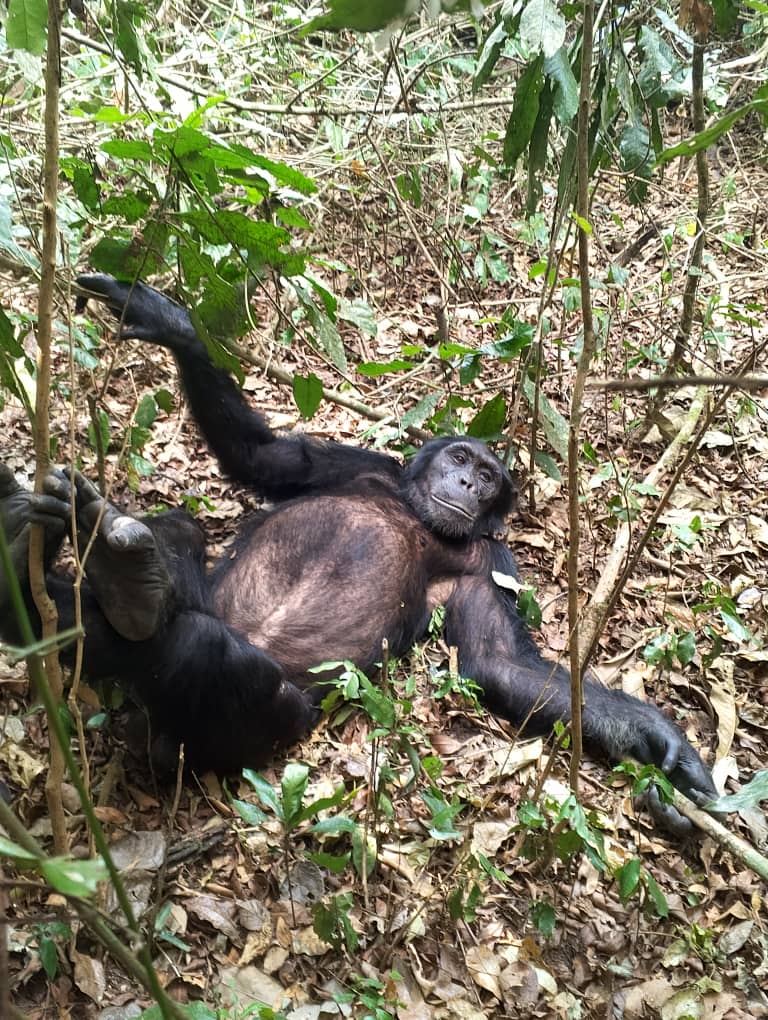
Chimpanzee Trekking Uganda: What the Forest Really Feels Like
The first sound you notice may not be a chimpanzee at all. It could be a distant bird call, leaves moving high above you, or the sudden crack of a branch somewhere beyond the trail. Then comes the pant-hoot, and the forest changes instantly. Chimpanzee trekking Uganda gives you that rare feeling of entering a living world rather than visiting a wildlife enclosure.
Kibale Forest National Park is the star of Uganda’s primate circuit, but a great experience depends on more than finding the right forest. You need the right season, permit, route, preparation and expectations. This guide explains what a trek actually involves, what you should budget in 2026, where else you can track chimps, what to pack, and how to turn a single primate activity into a stronger western Uganda safari.
If you want close wildlife encounters without spending your entire trip inside a safari vehicle, this is one of Uganda’s strongest choices.
Quick Facts About Chimpanzee Trekking Uganda
| Detail | 2026 practical answer |
|---|---|
| Main destination | Kibale Forest National Park |
| Standard Kibale permit | USD 300 for foreign non-residents |
| Low-season Kibale rate | USD 200 in April, May and November for foreign non-residents |
| Habituation experience | USD 400 for foreign non-residents |
| Time with habituated chimps | About 1 hour on standard tracking |
| Typical total trek | Roughly 2–5 hours, depending on chimp movement |
| Best dry periods | January–February and June–August |
| Main starting point | Kanyanchu Visitor Centre |
| Nearest major town | Fort Portal |
| Recommended age | Check current permit rules before booking |
| Best add-on | Bigodi Wetland Sanctuary |
The most important 2026 pricing change is easy to miss. From July 1, the standard Kibale chimpanzee tracking permit for foreign non-residents is USD 300, while the April, May and November low-season rate is USD 200. The exact tariff category depends on nationality and residency, so confirm the current rate before payment.
Chimpanzee trekking Uganda is also about the forest itself. Kibale supports more than 1,000 chimpanzees and a remarkable range of other primates, including red-tailed monkeys, black-and-white colobus monkeys and grey-cheeked mangabeys.

Why Kibale Is the Best Place for Chimpanzee Trekking Uganda
Kibale is not simply famous because travel websites repeat the same phrase about being the primate capital. Its appeal is practical. The forest has habituated chimp communities, an established ranger system, good tourism infrastructure and a strong concentration of primates.
Chimpanzee tracking Uganda is different from a conventional game drive because you are following clues rather than driving toward a known animal. Rangers and trackers may use radio communication, fresh nests, feeding signs, calls and knowledge of recent movement to narrow down where a community has gone.
Once the chimps are located, the pace can change quickly. They may stay low and groom one another, or they may climb into the canopy and force everyone to look almost straight upward. A good guide helps you understand what you are seeing instead of simply pointing at an animal and moving on.
What you can see besides chimps
Chimpanzee trekking Uganda can produce a surprisingly long wildlife list. You may encounter red colobus, black-and-white colobus, red-tailed monkeys, L’Hoest’s monkeys, olive baboons, forest elephants and dozens of bird species.
That variety makes chimpanzee tracking Uganda especially rewarding for travelers who enjoy forests rather than only large mammals. The soundtrack matters too. Calls, insects, falling fruit and distant movement make the forest feel active even when the chimps are temporarily hidden.
How difficult is the trek?
Do not mistake chimp trekking for a flat nature stroll. Kibale is generally less demanding than the steepest gorilla trails, but the ground can be muddy, slippery and tangled with roots.
Chimpanzee Tracking Uganda: Kibale, Kyambura, Budongo or Kalinzu?
Kibale is the strongest choice for travelers whose priority is chimpanzees. Chimpanzee tracking Uganda is strongest in Kibale for travelers whose priority is chimps.
| Destination | Best for | Route advantage | Experience |
|---|---|---|---|
| Kibale Forest | First-time visitors and primate lovers | Fort Portal and western Uganda | Strongest all-round option |
| Kyambura Gorge | Queen Elizabeth safaris | Easy to combine with game drives | Dramatic gorge, less predictable sightings |
| Budongo Forest | Murchison visitors and birders | Fits northern Uganda routes | Mature forest and strong birding |
| Kalinzu Forest | Budget-conscious travelers | Useful on southern western routes | More intimate, less polished experience |
For a classic chimpanzee tracking Uganda itinerary, Kibale wins because you can combine tracking with Bigodi Wetland Sanctuary, crater lakes, tea landscapes and Queen Elizabeth National Park.
Kyambura Gorge is the smarter logistical choice when your safari already centers on Queen Elizabeth. Chimpanzee tracking Uganda avoids adding a major detour simply to see chimps.
Kalinzu can make sense for travelers heading toward Bwindi. Budongo works naturally with Murchison Falls. The best destination is therefore not just the one with the biggest chimpanzee reputation; it is the one that fits your entire route.

How Much Does Chimpanzee Trekking Uganda Cost in 2026?
The chimpanzee trekking Uganda permit is only one line in your safari budget. Your final cost also depends on transport, accommodation, meals, guide services, park activities and the number of people sharing the vehicle.
For the current 2026 tariff period after July, the standard Kibale tracking permit is USD 300 for foreign non-residents. Foreign residents pay USD 200, while other regional categories have their own rates. The habituation experience is priced higher because it provides a much longer observation period.
A realistic safari budget
| Expense | Typical planning range |
|---|---|
| Kibale chimp permit | $200–$300 depending on season and category |
| Mid-range lodge | $80–$250 per person/night |
| Safari vehicle and driver-guide | Varies by group and itinerary |
| Bigodi experience | Additional activity fee |
| Meals | Often included in lodge package |
| Full 2–3 day Kibale extension | Commonly several hundred to over $1,000 per person |
The chimpanzee tracking Uganda cost should therefore be viewed as part of a complete safari budget rather than the entire trip price.
Best Time for Chimpanzee Trekking Uganda
You can enjoy chimpanzee trekking Uganda throughout the year, but forest conditions change dramatically with the seasons.
January and February are generally favorable because trails are often drier. June, July and August are also popular for easier walking and clearer travel conditions. These months are busy, so permit planning should happen early.
March to May and October to November bring more rain. That can mean muddy trails, but also lush vegetation, fewer travelers, strong birding and potentially better value at some lodges.
Dry season
If your priority is comfortable hiking and easier photography, choose January–February or June–August. Pack a light rain layer anyway. Kibale is rainforest, and the weather does not sign a contract with your calendar.
Wet season
The real insider tip for chimpanzee tracking Uganda is to choose dates around your whole Uganda itinerary rather than treating chimpanzees as an isolated activity.
What Happens During Chimpanzee Tracking Uganda?
Chimpanzee tracking Uganda is built around patience. You may walk quietly for a while, hear a call in the canopy, change direction and then wait again.
The trackers planning chimpanzee tracking Uganda may already know a likely area, but chimpanzees are intelligent, mobile animals, not stationary attractions.
When the community is found, your group observes from a controlled distance and follows ranger instructions. Standard tracking provides about one hour with the habituated community once you locate them.
The chimpanzee trekking Uganda habituation option
For serious primate enthusiasts, the chimpanzee habituation experience offers a deeper alternative. It provides substantially more time following a chimp community and is designed for travelers who want to observe behavior across a longer period.
It is more expensive and more physically demanding. If your goal is simply to see chimps, standard trekking is enough. If your goal is understanding their daily behavior, habituation is worth considering.

Smart Packing Tips for Chimpanzee Trekking Uganda
Wear the right shoes
Use waterproof or water-resistant hiking boots with good grip. Avoid smooth-soled trainers. The forest floor can become slick after rain, and roots are easy to catch with a careless step.
Cover your skin
Long trousers and a lightweight long-sleeved shirt protect against insects, branches and vegetation. Insect repellent is worth carrying even if you normally dislike using it.
Protect your camera
Rain covers or a waterproof dry bag are smart. Keep spare batteries and memory cards protected because you may spend more time photographing the canopy than expected.
Bring small essentials
Carry drinking water, a light rain jacket, binoculars if you have them, sunscreen, a hat and a small backpack. Gloves can help if you regularly use your hands for balance on muddy sections.
Make Your Chimpanzee Safari Uganda More Than One Morning
The biggest planning mistake is flying or driving into Kibale for one activity and leaving immediately afterward.
For travelers combining primate experiences, chimpanzee tracking Uganda pairs naturally with gorilla trekking in Bwindi. The contrast is excellent: chimps are fast, vocal and often high in the trees, while gorilla encounters tend to feel slower and more grounded.
A well-built itinerary can also connect Kibale with Queen Elizabeth, Bwindi, Lake Bunyonyi or even Rwanda. This is where a local operator earns its value. Efficient routing saves hours on the road and reduces the chance that you spend expensive safari time simply moving between destinations.

Practical Etiquette and Responsible Chimp Tracking
Chimpanzees are wild animals, even when they are habituated. Do not call them, feed them, imitate their vocalizations or try to attract them closer for a photograph.
Follow the ranger’s instructions about distance, movement and hygiene. If you feel unwell before a trek, tell your operator or ranger. Respiratory illnesses can pose risks to habituated great apes.
Responsible chimpanzee tracking Uganda tourism also means respecting communities around the forest. Buy local crafts responsibly, ask before photographing people and remember that villages are homes, not attractions.
Your permit contributes to the protected-area tourism system, but your behavior matters too. A respectful visitor leaves the forest with photographs and memories, not a disrupted animal encounter.
Frequently Asked Questions
Is chimpanzee trekking Uganda worth the money?
Yes, especially if you value wildlife behavior rather than simply collecting animal sightings. Kibale offers a strong combination of habituated chimp communities, other primates, rainforest scenery and experienced ranger support. The experience also fits naturally into longer western Uganda itineraries. If your budget is tight, choosing a low-season date or a different chimp destination can reduce the permit cost.
How much is chimpanzee trekking Uganda in 2026?
For foreign non-residents visiting Kibale after July 1, 2026, the standard permit is USD 300 under the revised tariff. A discounted USD 200 rate applies during April, May and November under the low-season structure. Other residency and regional categories have different prices. Always confirm the applicable tariff when your booking is made.
Where is the best place for chimpanzee tracking Uganda?
Kibale Forest National Park is the leading choice for most first-time visitors because it combines strong chimp viewing opportunities with established tourism infrastructure and excellent primate diversity. Kyambura, Budongo and Kalinzu can be better choices when your wider safari route already passes through Queen Elizabeth, Murchison Falls or southwestern Uganda.
How long does chimpanzee tracking Uganda take?
The total forest walk commonly lasts around two to five hours, but it is not fixed. Chimpanzees move, climb and travel through their territory, so the trackers may need time to locate them. Once a habituated community is found, standard tracking generally allows about one hour of observation.
Is chimpanzee trekking difficult?
It is moderately active rather than extreme. Kibale trails can be muddy, slippery and uneven, particularly after rain. You do not need to be an elite hiker, but reasonable fitness, proper boots and the ability to walk for several hours will make the experience much more comfortable.
What is the best month to visit Kibale for chimps?
January, February, June, July and August are popular choices because conditions are generally easier for walking. However, April, May and November can be attractive for flexible travelers because of lower permit prices and fewer visitors. Chimpanzees remain present year-round, so your decision should also consider the rest of your Uganda safari.
Final Thoughts
A great chimpanzee encounter is not about ticking an animal off a list. It is about hearing a troop before seeing it, following the forest clues, watching social behavior unfold and realizing how much life exists above and around you.
The three biggest planning lessons are simple: choose the destination that fits your route, budget for the current permit rather than an outdated price, and prepare properly for rainforest conditions.
If you want a trip built around more than one morning of chimpanzee trekking Uganda, Bigodi Africa Expeditions can help connect Kibale with Bigodi, Queen Elizabeth, Bwindi and other western Uganda highlights. Book your dream safari, start planning today, and get ready for chimpanzee trekking Uganda that feels wild, personal and genuinely unforgettable. Africa is waiting.