Gorilla Trekking vs Chimpanzee Trekking in Uganda: Cost, Difficulty, Wildlife & Which Experience Is Best in 2026
24/08/2026
Uganda vs Rwanda Gorilla Trekking: Cost, Difficulty, Access & Safari Value in 2026
28/08/2026
Rwanda Gorilla Trekking: What Your 2026 Adventure Really Looks Like
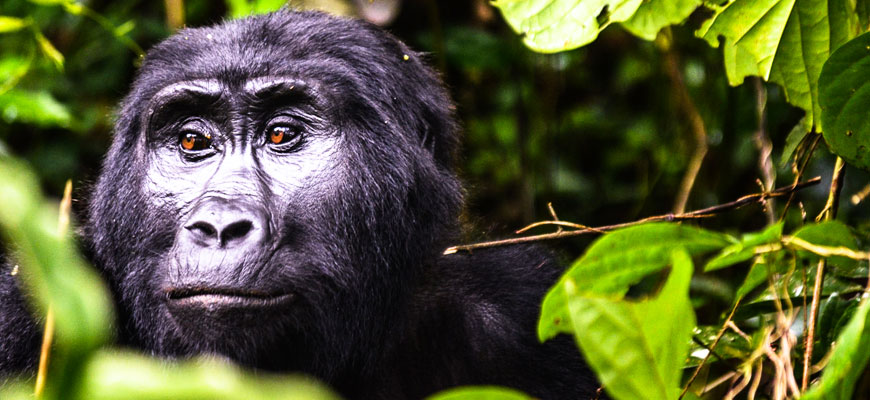
A mountain gorilla can stare straight through you, then calmly return to feeding as if you were never there. That quiet, almost human encounter is why Rwanda gorilla trekking sits on so many Africa bucket lists.
In 2026, the standard permit for an international non-resident costs $1,500 per person. That sounds brutally expensive until you understand what the fee protects, how limited the daily places are, and how much easier it is to build a short primate-focused trip around Kigali than many first-time visitors expect.
This guide gives you the practical version: permit prices, booking rules, trek difficulty, travel times, seasons, accommodation, packing, etiquette, realistic budgets, and the best ways to combine Volcanoes National Park with the rest of Rwanda. It is designed for travelers who want clear answers before putting serious money into a safari.
[Image: Rwanda gorilla trekking through the misty bamboo forest of Volcanoes National Park]
Rwanda Gorilla Trekking at a Glance
| Detail | 2026 planning figure |
|---|---|
| Main destination | Volcanoes National Park |
| Standard international permit | $1,500 per person |
| Qualifying low-season promotional permit | About $1,050 |
| EAC citizen permit | $200 |
| Foreign resident or African rate | $500 |
| Minimum trekking age | 15 years |
| Time with gorillas | Maximum 1 hour |
| Daily permits | 96 |
| Visitors per habituated family | 8 |
| Kigali to Volcanoes area | Roughly 2–2.5 hours by road |
| Recommended stay | 2–4 nights |
The numbers tell you something important about Rwanda gorilla trekking: gorilla trekking Rwanda is tightly controlled.
Volcanoes National Park protects Rwanda’s section of the Virunga Massif, a volcanic landscape shared with Uganda and the Democratic Republic of Congo. The park is famous for mountain gorillas, but golden monkeys, volcano hikes, birding and cultural experiences give you good reasons to stay beyond one trekking morning.
How Much Does Gorilla Trekking Rwanda Cost in 2026?
For gorilla trekking Rwanda, the permit is the biggest single expense. For international visitors who do not qualify for a special category, the standard price is $1,500 per person. The permit covers the regulated trekking experience and the one-hour gorilla viewing period, but it does not automatically cover your international flight, hotel, private vehicle, meals, tips or personal expenses.
For gorilla trekking Rwanda, a qualifying low-season multi-park offer can reduce the permit to about $1,050. The important catch is that this is not simply a rainy-season discount. The promotional rate is linked to a qualifying itinerary that includes time in Akagera National Park and/or Nyungwe National Park. Confirm the exact conditions for your dates before paying.
A realistic budget
For a couple traveling privately, a simple three-day trip can look roughly like this:
| Expense | Budget range for two |
|---|---|
| Two gorilla permits | $3,000 |
| Two nights accommodation | $250–$800 |
| Private vehicle and driver-guide | $400–$800 |
| Meals and drinks | $100–$250 |
| Porters and tips | $50–$120 |
| Miscellaneous | $50–$150 |
| Approximate total | $3,850–$5,120 |

What Happens on a Gorilla Trek in Volcanoes National Park?
Rwanda gorilla trekking begins early, and the morning schedule is part of the experience. Gorilla trekking Rwanda is designed around strict morning coordination.
Visitors normally gather at the park headquarters in Kinigi around 7:00 a.m. for briefing and group allocation.
For gorilla trekking Rwanda, the allocation is not a simple lottery based on luck. Once your group leaves the headquarters, you may drive a short distance to the trailhead before walking into bamboo and montane forest. The trek can be surprisingly different from one day to the next.
The one-hour rule
Once you find the family, your viewing time is limited to one hour. That hour can disappear frighteningly fast.
You will receive instructions about distance, movement and behavior. Follow them even when a curious gorilla approaches you.
How hard is Rwanda gorilla trekking?
Rwanda gorilla trekking is physically demanding, but it is not reserved for elite hikers. The challenge comes from steep terrain, mud, humidity, altitude and unpredictable trekking distances, so Rwanda gorilla trekking rewards honest preparation.
A porter is not just someone who carries your backpack. On difficult sections, having a local person beside you can improve balance, confidence and pace. It also puts money directly into communities around the park.

Best Time for Gorilla Trekking Rwanda
You can trek gorillas throughout the year. The better question is what type of conditions you prefer.
June through September is generally popular because conditions are often drier, making trails easier to handle. December through February can also offer relatively favorable conditions.
The wet months, especially March through May and parts of October and November, bring more rain and muddier trails. That does not mean the gorillas disappear. It means you need to accept less predictable hiking conditions.
For gorilla trekking Rwanda, wet-season forest can be beautiful. Mist, deep green vegetation and soft light can create better atmosphere than a bright blue sky. For travelers who prioritize easier walking, the drier months may be more comfortable.
For Rwanda gorilla trekking, the smartest choice is therefore not simply “dry season.” It is a balance between weather, permit availability, lodge prices, your fitness and whether you want to combine your trip with another park.

Where Should You Stay for a Rwanda Gorilla Safari?
For Rwanda gorilla trekking, stay near the park if your budget allows it. Kinigi is the most practical base because it puts you close to the trekking headquarters. Musanze offers more accommodation and restaurant choices and is still convenient.
Staying in Kigali the night before the trek is possible, but it creates an unnecessary early start. The drive from Kigali to the Volcanoes area is roughly two to two and a half hours by road. Road traffic, weather and stops can change the timing.
Budget travelers can use guesthouses and simple lodges around Musanze or Kinigi. Mid-range travelers have plenty of comfortable options with breakfast and trekking-friendly services. Luxury travelers can choose high-end lodges where the experience extends beyond the forest itself.
For gorilla trekking Rwanda, the key is not the number of stars. Ask whether the property understands trekking schedules, provides early breakfast, can help with drying wet clothing, and can arrange reliable transport.
A beautiful lodge that cannot get you to Kinigi on time is a bad lodge for this particular trip.
What Should You Pack?
For Rwanda gorilla trekking, pack for rain even when the forecast looks dry. Mountain weather changes quickly.
Your core kit should include sturdy waterproof hiking shoes, gaiters, long trousers, a lightweight waterproof jacket, gardening-style gloves, a small backpack, refillable water bottle, snacks, insect repellent, sunscreen, camera protection and a change of clothes.
Do not wear brand-new boots on trek day. Blisters can turn a once-in-a-lifetime experience into a miserable climb.
The porter decision
For gorilla trekking Rwanda, a porter can carry your bag, help on difficult terrain and provide practical support. The fee also creates direct income for local communities.
More importantly, porter fees provide income for people living around the protected area. Responsible tourism is not just about being polite in the forest. It is about making sure tourism benefits people who have a direct relationship with the landscape.
Rwanda Gorilla Trekking vs Uganda: Which Should You Choose?
This is where many travelers get stuck when comparing Rwanda gorilla trekking with Uganda. Both countries offer mountain gorilla trekking, but the overall travel experience is different.
Rwanda is the easier choice for travelers who want a compact itinerary. Kigali is relatively close to Volcanoes National Park, roads are generally straightforward, and you can build a strong three-day or four-day trip without spending most of your holiday in a vehicle.
Uganda can be more attractive to travelers who want a broader safari. Bwindi can be combined with Queen Elizabeth National Park, Kibale Forest, Murchison Falls or other destinations, although distances can be longer.
| Factor | Rwanda | Uganda |
|---|---|---|
| Main gorilla area | Volcanoes National Park | Bwindi and Mgahinga |
| International permit | $1,500 standard | $800 standard |
| Access from capital | Easier | Generally longer |
| Short gorilla-focused trip | Excellent | Possible but less compact |
| Wider safari variety | Good | Excellent |
| Luxury positioning | Very strong | Strong |
| Budget potential | Higher | Usually better |
So which is better? There is no universal winner.
Choose Rwanda if convenience, short travel times and a polished primate-focused trip matter most. Choose Uganda if your priority is stretching your budget and adding several different wildlife regions.
Insider Tips Most First-Time Trekkers Miss
First, book the permit before you lock yourself into non-refundable hotel dates. Your preferred lodge means little if your preferred trekking date is unavailable.
Second, do not assume “short trek” means easy. Gorilla families move, and the forest does not follow a tour brochure. Fitness allocation helps, but nobody can guarantee the exact distance you will walk.
Third, arrive with realistic camera expectations. The forest can be dark, the animals may move quickly, and vegetation can block perfect shots. A fast lens and patience are more useful than carrying excessive equipment.
Fourth, do not underestimate the altitude. Eat breakfast and hydrate properly before the trek. The experience is more enjoyable when you start with enough energy.
How to Build the Best 3-Day Rwanda Gorilla Tour
For travelers with limited time, three days is a strong minimum for Rwanda gorilla trekking.
Day 1: Arrive in Kigali and transfer to Musanze or Kinigi. If your flight schedule allows, visit a cultural attraction or enjoy a relaxed evening near the park.
Day 2: Gorilla trekking in Volcanoes National Park. Start early, complete the trek, then keep the afternoon light. Your legs may need it.
Day 3: Choose a second experience before returning to Kigali. Golden monkey tracking is the obvious primate pairing, while a cultural visit, Dian Fossey-related experience or scenic activity can add a different dimension.
If you have five to seven days, do not waste the extra time sitting around the lodge. Add Akagera National Park for savannah wildlife or Nyungwe National Park for chimpanzees and forest exploration.
That turns a single expensive permit into part of a much richer Rwanda itinerary.

Frequently Asked Questions
How much does Rwanda gorilla trekking cost in 2026?
For an international non-resident, the standard permit is $1,500 per person. A qualifying low-season multi-park offer can reduce the price to about $1,050. You should also budget separately for accommodation, transport, meals, tips and optional activities.
Is gorilla trekking Rwanda safe?
Yes, it is a highly regulated wildlife activity. Visitors trek with trained guides, trackers and park rangers, and the gorilla families are monitored. For gorilla trekking Rwanda, the main risks for travelers are usually physical challenges such as steep, muddy terrain rather than the animals themselves.
How far is Volcanoes National Park from Kigali?
The journey from Kigali to the Volcanoes National Park area generally takes around two to two and a half hours by road. Staying near Kinigi the night before your trek is usually more comfortable than traveling from Kigali before dawn.
What is the minimum age for Rwanda gorilla trekking?
The minimum age is 15. This rule is important when planning family trips, especially if children are traveling with adults who want to trek.
How long does Rwanda gorilla trekking take?
The full trek can vary considerably because gorilla families move through the forest. You may spend a few hours hiking, but longer treks are possible. Once you find the gorillas, viewing is limited to one hour.
Can I trek gorillas during the rainy season?
Yes. Gorilla trekking Rwanda operates throughout the year. Rain can make trails muddier and hiking harder, but it can also bring lush scenery, soft light and fewer crowds. Pack proper waterproof gear and expect changing conditions.
Should I hire a porter?
Yes, especially if you are not a confident hiker. A porter can carry your bag, help on difficult terrain and provide practical support. The fee also creates direct income for local communities.
Is Rwanda or Uganda better for gorilla trekking?
Rwanda is usually better for travelers who want easier access and a compact itinerary. Uganda is often better for travelers who want a lower permit price and a longer safari with more wildlife destinations. Both offer exceptional mountain gorilla experiences.
Final Thoughts
Rwanda gorilla trekking is expensive, limited and physically more demanding than glossy safari photographs suggest. That is exactly why preparation matters.
Your three biggest decisions are straightforward: secure the right permit date early, stay close to Volcanoes National Park, and prepare properly for steep, wet mountain terrain. If you have more time, add Akagera or Nyungwe rather than treating the gorilla trek as the entire country.
A well-planned Rwanda gorilla safari should feel exciting from the first airport pickup to the moment you leave the forest. Bigodi Africa Expeditions can help you coordinate the permit, transport, accommodation and wider East African itinerary so you are not solving logistics while standing at the trailhead. Book your dream safari and start planning today — Rwanda’s mountains and their remarkable gorillas are waiting for you.