Tanzania Safari Cost 2026: Complete Budget, Price & Planning Guide
11/09/2026
East Africa Safari: How to Plan the Trip You’ll Actually Love
A great East Africa safari is not about squeezing as many famous parks as possible into one itinerary. An East Africa safari works best when the route matches what you actually want to see, how you like to travel, and what you are prepared to spend.
That distinction matters.
Kenya can deliver spectacular savannah wildlife and the Masai Mara. Tanzania combines the Serengeti, Ngorongoro Crater and enormous wildlife landscapes. Uganda offers something very different: gorillas, chimpanzees, lush forests, classic game drives and remarkably diverse scenery. Rwanda adds excellent gorilla trekking and a polished, compact travel experience.
This guide breaks down the region without the usual sales fluff. You will learn which country is best for different travelers, how much to budget, when to go, how to combine destinations, and which mistakes can quietly turn an exciting safari into an exhausting and overpriced trip.
Quick Facts: East Africa Safari at a Glance
| Question | Practical Answer |
|---|---|
| Best countries | Uganda, Kenya, Tanzania and Rwanda |
| Best for Big Five | Kenya and Tanzania |
| Best for gorillas | Uganda and Rwanda |
| Best for chimpanzees | Uganda |
| Best for Great Migration | Tanzania and Kenya |
| Typical trip length | 7–14 days |
| Budget style | Camping or simple lodges |
| Mid-range style | Comfortable lodges and private vehicle |
| Luxury style | Premium lodges, camps and internal flights |
| Best overall approach | Choose 1–2 countries rather than rushing through four |
A good East Africa safari can be built around wildlife, primates, landscapes, culture, photography, birding or simply time away from crowded cities.
The mistake is assuming one itinerary is perfect for everyone.
Which Country Is Best for an East Africa Safari?
There is no universal winner. Your best destination depends on the experience you want most.
Uganda: Best for Gorillas, Primates and Variety
Uganda is the strongest choice if gorilla trekking is high on your list.
Bwindi Impenetrable National Park and Mgahinga Gorilla National Park provide access to mountain gorillas, while Kibale Forest is one of the region’s premier destinations for chimpanzee trekking.
Then you can add Queen Elizabeth National Park for lions, elephants, buffaloes and hippos, or Murchison Falls National Park for classic savannah scenery and Nile boat cruises.
Uganda also has an advantage for travelers who want variety without making the entire trip about the Big Five.
A typical route might combine Kibale, Queen Elizabeth and Bwindi over 7–10 days.
Kenya: Best for Classic Savannah Wildlife
Kenya is an excellent choice for a first-time traveler imagining the classic African safari.
The Masai Mara is the headline destination, particularly famous for big cats, open grasslands and the annual wildebeest migration. Amboseli adds huge elephant herds with Mount Kilimanjaro as a dramatic backdrop.
Kenya works particularly well for families, photographers and travelers who want a relatively straightforward wildlife-focused itinerary.
Tanzania: Best for the Serengeti and Great Migration
Tanzania is hard to beat for a pure wildlife safari.
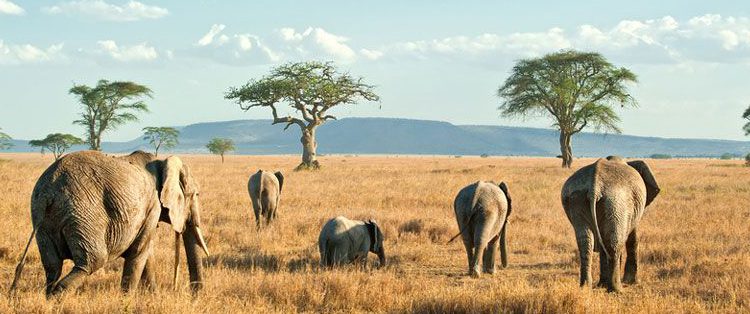
The northern circuit brings together Serengeti National Park, Ngorongoro Crater, Tarangire and other major destinations. The Serengeti is especially compelling for travelers interested in predator sightings and the Great Migration.
A Tanzania route can also finish in Zanzibar, making the country attractive for travelers who want to combine safari and beach time.
Rwanda: Best for Gorilla Trekking With Shorter Travel Times
Rwanda is particularly attractive when time is limited.
Volcanoes National Park is relatively accessible from Kigali, making it possible to combine gorilla trekking with a shorter overall itinerary.
Rwanda is generally positioned at the premium end of gorilla travel, while Uganda often provides more flexibility in safari length, accommodation style and route design.
The smartest choice is not the country with the biggest reputation. It is the country that gives you the experiences you care about most.
East Africa Safari Tours: How to Choose the Right Route
Choosing between East Africa safari tours can become confusing because operators often sell similar-looking itineraries with very different pacing.
A nine-day itinerary can feel relaxed or exhausting depending on how many long road transfers are included.
The 7-Day Option
Seven days is enough for a focused trip.
For Uganda, you might combine Kibale, Queen Elizabeth and Bwindi.
For Kenya, a compact route could focus on Amboseli and Masai Mara.
For Tanzania, a northern circuit can concentrate on Tarangire, Serengeti and Ngorongoro.
The key is avoiding too many destinations.
The 10-Day Option
Ten days gives you considerably more breathing room.
A Kenya and Tanzania combination becomes realistic, or Uganda can be paired with a deeper gorilla and wildlife experience.
For travelers who want both wildlife and primates, a Kenya Tanzania Uganda safari can be unforgettable, but only if the flights and border crossings are planned carefully.
The 14-Day Option
Two weeks is where a multi-country safari starts making sense.
You could combine:
| Route | Best For | Suggested Length |
| Uganda | Gorillas + chimps + wildlife | 8–12 days |
| Kenya | Mara + Amboseli + Rift Valley | 7–10 days |
| Tanzania | Serengeti + Ngorongoro + Tarangire | 7–10 days |
| Kenya + Tanzania | Classic wildlife | 10–14 days |
| Uganda + Rwanda | Gorilla + primates + culture | 7–10 days |
| Kenya + Uganda | Big Five + gorillas | 10–14 days |
Do not confuse more countries with a better trip.
Every border crossing, flight connection and long drive takes time away from wildlife viewing.
How Much Does an East Africa Safari Cost in 2026?
Safari pricing varies dramatically because accommodation, season, transportation, park fees and activities all affect the final figure.
A useful starting point is to think in travel styles rather than searching for one universal price.
Budget Safari
A budget East Africa safari may use camping, simple lodges, shared transportation and fewer expensive activities.
A rough planning range is around $150–$250 per person per day, although exact prices vary substantially by country, route and group size.
Budget does not automatically mean bad.
A well-planned budget trip can still include excellent wildlife viewing. The biggest compromises are usually accommodation comfort, flexibility and private vehicle access.
Mid-Range Safari
For many international travelers, mid-range is the sweet spot.
Expect approximately $250–$500 per person per day, depending on destination and season.
You can often have comfortable lodges, a private safari vehicle, professional guiding, meals and major park activities without moving into luxury pricing.
Luxury Safari
Luxury safaris can exceed $600–$1,000 per person per day, particularly when premium camps, private concessions, charter flights and exclusive experiences are included.
There is effectively no hard ceiling.
The important point is that you should not compare a $200 camping itinerary with a $900 luxury itinerary simply because both are advertised as East Africa safari tours.
They are completely different products.
The Gorilla Trekking Exception
Gorilla permits can significantly increase the cost of a Uganda or Rwanda itinerary.
In Uganda, the standard 2026 foreign non-resident gorilla permit is $800, while the temporary low-season rate in April, May and November is $600. That permit is only one part of the overall trip cost because accommodation, transport, meals and other activities remain separate.
This is why a short gorilla trip can cost more than a considerably longer conventional wildlife safari.
Best Time for an East Africa Wildlife Safari
There is no single perfect month.
The best time depends on whether you prioritize dry weather, wildlife concentration, migration, gorilla trekking, lower prices or fewer tourists.
June to October
This is one of the strongest periods for a traditional wildlife safari.
Kenya and Tanzania generally offer excellent wildlife viewing during the dry season, and July through October is especially popular for migration-focused travel.
However, popularity comes with higher demand.
Accommodation sells faster, premium properties become expensive and major viewing areas can become busy.
January to February
January and February can be excellent for Kenya and Tanzania, while Uganda and Rwanda can also provide strong trekking conditions.
This period can offer a useful balance between wildlife opportunities and avoiding the absolute peak of some destinations.
March to May
The long-rain period can produce lush landscapes and lower rates.
For travelers focused on photography, birding and greenery, this season should not automatically be dismissed.
Road conditions can become difficult in some areas, however, so route planning becomes even more important.
November and December
Short rains can create beautiful scenery and fewer crowds.
Uganda’s 2026 discounted gorilla permits make April, May and November particularly interesting for travelers with flexible dates.
The smartest East Africa safari schedule is therefore based on your priorities rather than a blanket claim that one season is always best.
What Are the Real Costs Travelers Forget?
Safari advertisements often show a headline package price. That is where inexperienced travelers get caught.
Park and Conservation Fees
National park and reserve charges vary by country and destination.
The Masai Mara is a good example of why current pricing matters. Its non-resident adult fee increased from $100 to $200 per day from July 2026.
That difference can add hundreds of dollars to a multi-day trip.
Internal Flights
Flying between safari regions can save enormous amounts of time.
But flights are an additional expense and may have luggage restrictions that differ from international airlines.
Accommodation
The phrase “lodge included” tells you almost nothing about quality.
Ask whether the property is inside the park, outside the gate, in a private conservancy or in a nearby town.
Location can affect both wildlife access and daily driving time.
Tips and Extras
Budget for:
- Driver-guide tips
- Porters during gorilla trekking
- Drinks and personal purchases
- Laundry
- Optional cultural activities
- Balloon flights
- Travel insurance
- Visa fees
A realistic budget prevents unpleasant surprises halfway through your trip.
Practical Tips That Make a Big Difference
Book Gorilla Permits Before Building the Rest of the Trip
This is one of the most important planning rules in Uganda.
Do not book every hotel and flight first and assume a gorilla permit will magically fit your dates.
Secure the permit, confirm the trekking sector and then build the route around it.
Keep Road-Transfer Days Realistic
Google Maps can make an African road journey look deceptively simple.
A 250-kilometre journey can take much longer than expected because of road conditions, traffic, border procedures, wildlife stops and mountain terrain.
A good operator plans around real driving conditions, not just map distance.
Do Not Chase the Big Five at the Expense of Everything Else
Seeing lions, elephants, leopards, buffaloes and rhinos is fantastic.
But a safari becomes much richer when you slow down for smaller experiences: a crowned crane, a troop of baboons, a chameleon crossing the road, a local market or a conversation with your guide.
The best East Africa wildlife safari memories are not always the animals you expected to see.
Choose Your Guide Carefully
Your guide can make or break a safari.
A good guide understands animal behavior, positioning, park rules, communication, photography and road conditions.
They also know when to stop.
That last skill matters more than people realize.
East Africa Travel: Visas, Borders and Practical Planning
Multi-country trips require more planning than single-country safaris.
The East African Tourist Visa is particularly useful for eligible travelers visiting Uganda, Kenya and Rwanda. It costs $100, is valid for 90 days and allows multiple tourism entries within those three countries.
It does not cover Tanzania, so a Kenya-Uganda-Rwanda itinerary and a Kenya-Tanzania itinerary require different visa planning.
Your passport should generally have adequate validity, and travelers should check current entry requirements before departure because immigration rules can change.
Yellow fever requirements can also matter when crossing borders in the region.
Currency
US dollars are widely useful for safari travel, but small local-currency expenses still arise.
Carry some clean, newer US dollar notes where accepted, plus a payment card and emergency funds.
Connectivity
Mobile coverage is good in many populated areas but can disappear in remote parks.
Download offline maps and keep important booking information accessible without an internet connection.
Health and Insurance
Travel insurance should cover medical treatment, emergency evacuation and activities included in your itinerary.
For specialist health advice, speak with a qualified travel-health professional before departure.
The Best East Africa Safari for Different Travelers
| Traveler | Best Choice | Why |
| First-time safari traveler | Kenya or Tanzania | Classic wildlife |
| Gorilla enthusiast | Uganda | Gorilla + broader safari options |
| Luxury traveler | Tanzania or Kenya | Premium lodges and camps |
| Family | Kenya or Uganda | Flexible wildlife options |
| Photographer | Kenya or Tanzania | Strong wildlife landscapes |
| Primate lover | Uganda | Gorillas + chimpanzees |
| Short trip | Rwanda | Compact gorilla itinerary |
| Beach + safari | Tanzania | Easy Zanzibar combination |
| Migration enthusiast | Kenya + Tanzania | Multiple migration landscapes |
| Birdwatcher | Uganda | Exceptional habitat diversity |
The strongest East Africa safari tours are not necessarily the longest.
They are the ones that allocate enough time to each experience.
Frequently Asked Questions
What is the best country for an East Africa safari?
Kenya and Tanzania are excellent for classic wildlife and the Great Migration, while Uganda is stronger for gorillas, chimpanzees and combining primates with savannah wildlife. Rwanda is particularly convenient for gorilla trekking when travelers have limited time.
How many days do you need for an East Africa safari?
Seven days can work for a focused itinerary, while 10–14 days is better for a more varied trip. If you want to combine multiple countries, allow enough time for flights, border crossings and rest instead of packing every day with activities.
Is Uganda cheaper than Kenya and Tanzania?
It can be, particularly when comparing accommodation and general safari logistics, but gorilla trekking adds a significant permit cost. Overall pricing depends heavily on accommodation level, season, transportation and the number of people sharing a vehicle.
When is the best time for an East Africa safari?
June to October is a popular period for traditional wildlife viewing in Kenya and Tanzania. January and February can also be excellent. Uganda and Rwanda can be visited year-round, with drier periods often preferred for trekking. Travelers seeking lower prices may consider green-season months.
Can I combine Kenya, Tanzania and Uganda?
Yes, but the route needs careful planning. Flying between countries is often more efficient than attempting every connection by road. A three-country itinerary is best suited to travelers with around two weeks or more.
Is an East Africa safari safe?
Safari tourism is well established across the region, but travelers should follow their guide’s instructions, respect wildlife distances, avoid wandering outside designated areas and use reputable accommodation and transport providers. Professional local planning significantly reduces avoidable logistical problems.
Is gorilla trekking worth adding to a wildlife safari?
For travelers interested in primates, absolutely. Gorilla trekking is physically demanding and relatively expensive, but the encounter is fundamentally different from a conventional game drive. Uganda is especially attractive when you want gorillas alongside chimpanzees and savannah wildlife.
Conclusion: Plan Less, Experience More
The best East Africa safari is not the itinerary with the most parks, the most countries or the highest price tag.
Three things matter most:
First, choose your destination around the wildlife and experiences you genuinely care about.
Second, build your budget around the complete trip rather than the advertised package price.
Third, leave enough time between major destinations so the journey itself remains enjoyable.
Uganda, Kenya, Tanzania and Rwanda each offer something different. The trick is knowing how to combine those strengths without creating a rushed itinerary.
If you want help turning your ideas into a practical route, Bigodi Africa Expeditions can help match your travel dates, budget and interests with the right parks, lodges and activities. Start planning today, book your dream safari, and get ready for an East Africa safari that feels like your trip—not somebody else’s package. Africa is waiting for you.