Ultimate Guide to East Africa Safaris: Countries, Costs, Wildlife & Routes in 2026
14/09/2026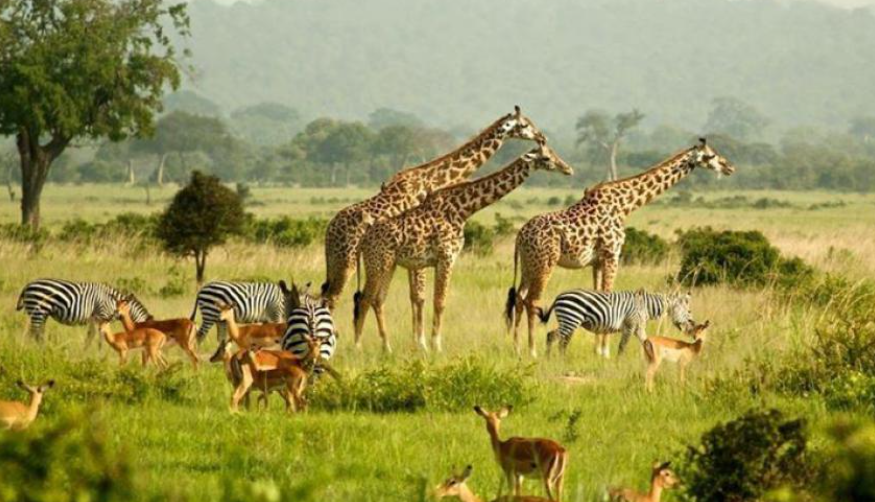
Uganda vs Kenya vs Tanzania Safari: Which Is Right for You?
The biggest mistake safari travellers make is assuming the country with the most famous wildlife must automatically be the best choice. It is not that simple.
An Uganda vs Kenya vs Tanzania safari can deliver three completely different adventures. Uganda combines gorillas, chimpanzees and savanna wildlife. Kenya excels at compact, classic game viewing. Tanzania offers enormous landscapes, the Serengeti, Ngorongoro and some of Africa’s most famous migration experiences.
If you are comparing an Uganda vs Kenya vs Tanzania safari for 2026, do not simply ask which country is “best.” Ask which destination fits your animals, travel dates, budget, trip length and preferred style.
This guide gives you the practical answer, including wildlife, migration, gorilla trekking, costs, logistics, scenery and the type of traveller each country suits best.
Quick Facts: Uganda vs Kenya vs Tanzania Safari
| Factor | Uganda | Kenya | Tanzania |
|---|---|---|---|
| Best for | Gorillas, chimps, variety | Classic safari, big cats | Serengeti, migration, Ngorongoro |
| Signature wildlife | Gorillas, chimps, lions | Lions, cheetahs, elephants | Wildebeest, lions, elephants |
| Famous parks | Bwindi, Kibale, Queen Elizabeth | Masai Mara, Amboseli, Tsavo | Serengeti, Ngorongoro, Tarangire |
| Migration | Not the main draw | Mara crossings | Multiple migration stages |
| Gorilla trekking | Yes | No | No |
| Safari feel | Varied and intimate | Classic and efficient | Vast and wilderness-focused |
| Ideal trip | 7–12 days | 5–8 days | 7–14 days |
Uganda vs Kenya vs Tanzania Safari: What Is Actually Different?
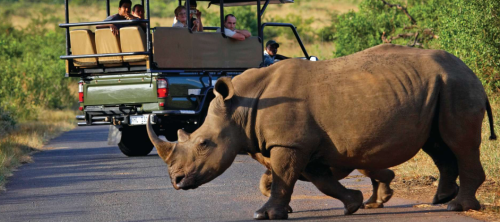
At first glance, Uganda, Kenya and Tanzania look like three versions of the same holiday. All offer elephants, lions, buffalo, leopards, hippos and spectacular African scenery. But the experience changes dramatically once you leave the brochure.
Uganda is the outlier. Its biggest advantage is combining primate experiences with conventional wildlife viewing. You can trek mountain gorillas in Bwindi Impenetrable National Park, search for chimpanzees in Kibale Forest and then continue to Queen Elizabeth National Park for elephants, lions, buffalo and a Kazinga Channel boat cruise.
Kenya is the easiest choice for travellers who want a classic safari without overcomplicating the route. Nairobi is a major gateway, while the Masai Mara offers excellent wildlife viewing within a relatively compact area. That makes a Kenya safari particularly strong for travellers with only five to seven days.
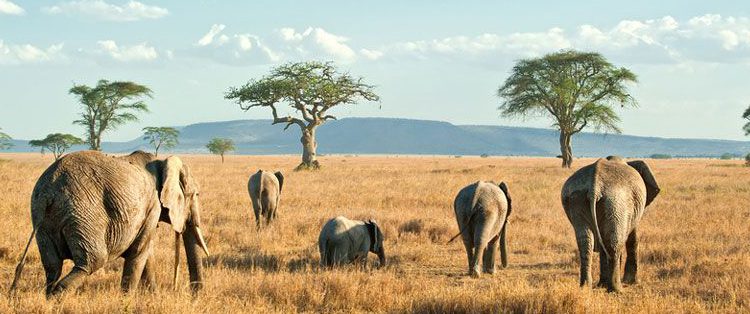
Tanzania is the heavyweight for scale. Serengeti National Park is enormous, while Ngorongoro adds a completely different landscape and concentrated wildlife viewing. A Tanzania safari can feel more expansive and remote.
That is why an Uganda vs Kenya vs Tanzania safari should be chosen according to the experience you want, not a generic ranking.
Wildlife: Which Country Gives You the Best Animal Encounters?
If classic savanna wildlife is your only priority, Kenya and Tanzania have the advantage.
The Masai Mara and Serengeti-Mara ecosystem support extraordinary numbers of herbivores and predators. Tanzania adds the sheer scale of Serengeti National Park and the wildlife-rich Ngorongoro Crater.
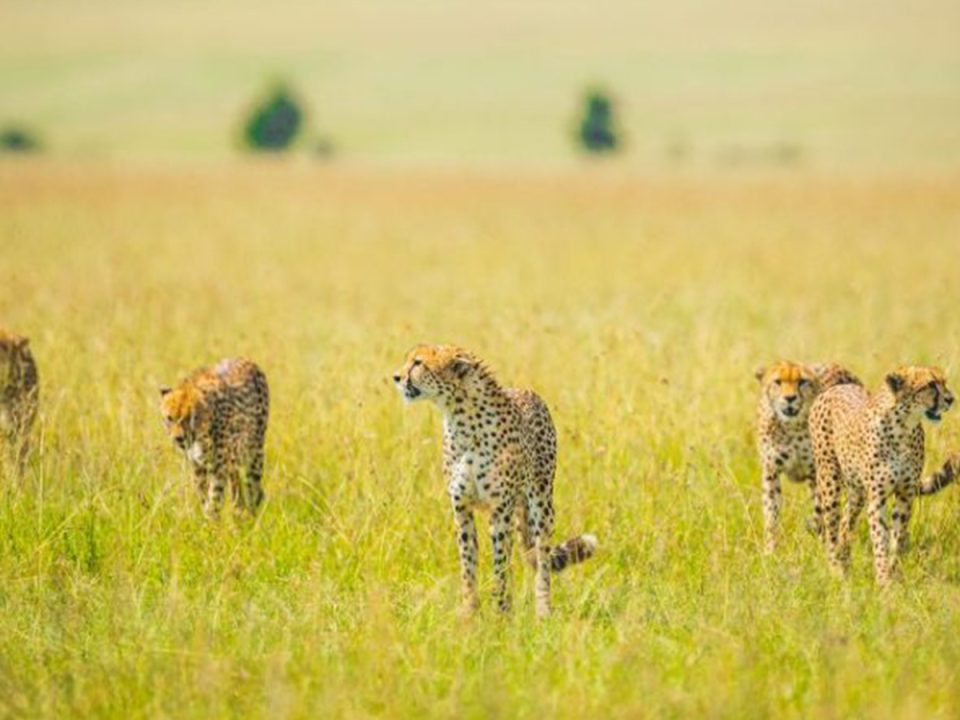
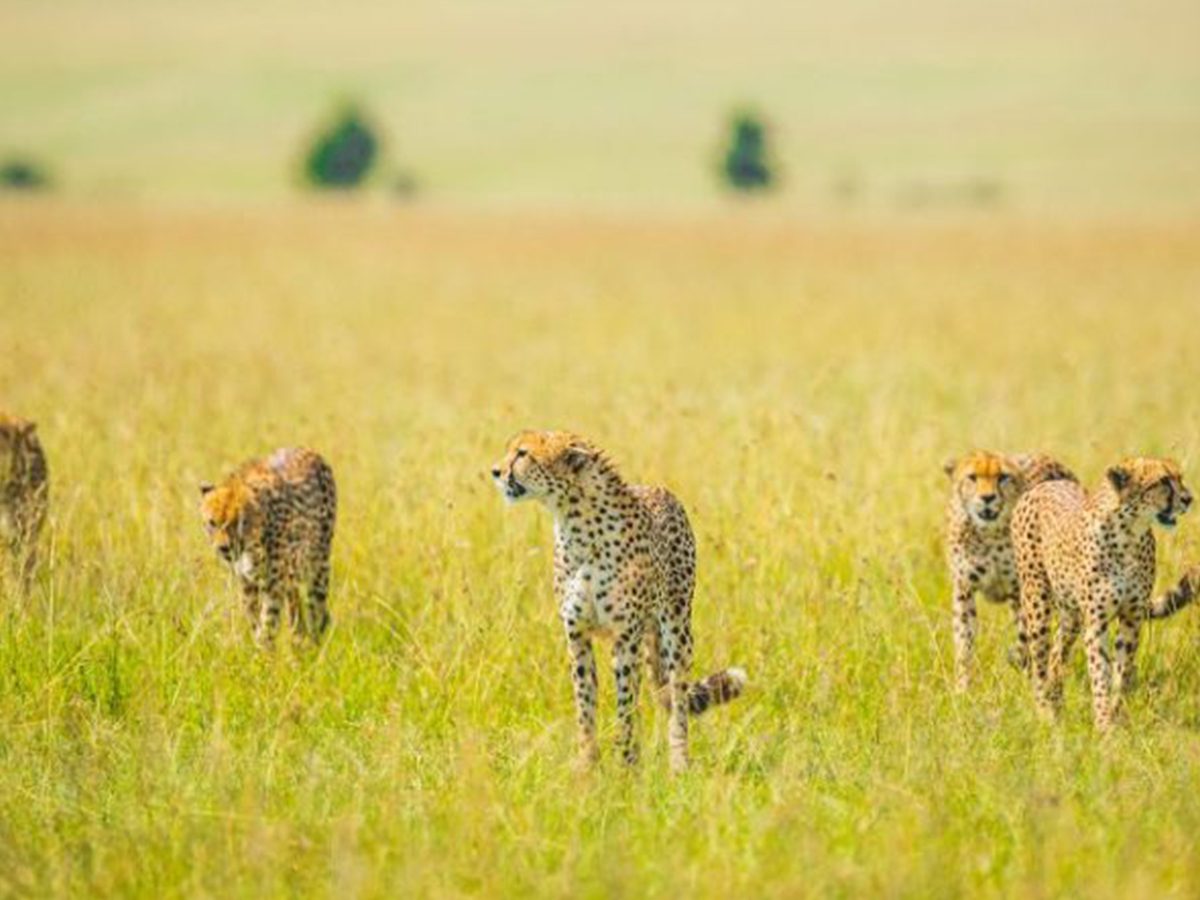
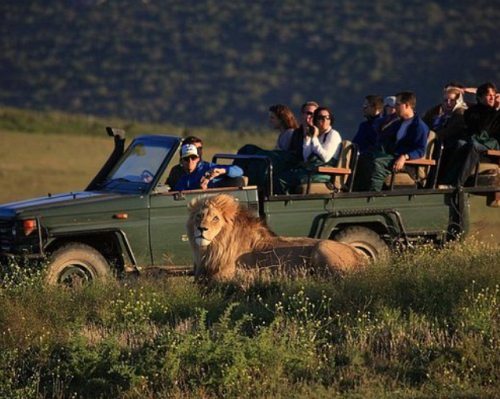
Kenya is particularly attractive to big-cat enthusiasts. The Masai Mara covers roughly 1,510 square kilometres, so wildlife can be remarkably concentrated. Lions, cheetahs, leopards and elephants can sometimes be seen within a relatively short game drive.
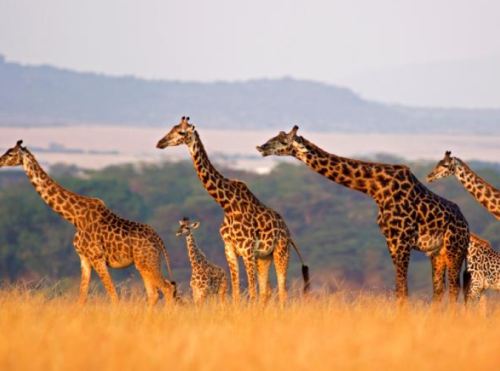
Tanzania answers with space. The Serengeti covers roughly 14,750 square kilometres, creating the feeling of almost endless wilderness. It is also central to the annual wildebeest migration.
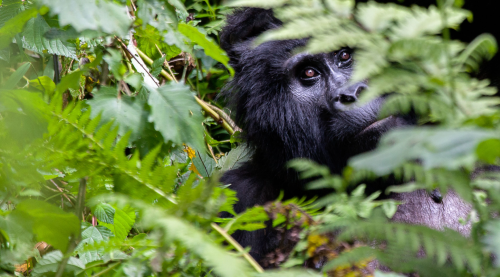
Uganda is different rather than inferior. Mountain gorillas are its headline attraction, while Kibale provides exceptional chimpanzee trekking. Queen Elizabeth National Park adds classic game viewing, and the Ishasha sector is known for its tree-climbing lions.
Murchison Falls National Park brings another dimension, with large savanna landscapes, elephants, giraffes, buffalo, hippos and the Nile.
For travellers who want the broadest combination of primates, forest, wetlands and savanna, Uganda can be the strongest choice.
Best for Big Five
Kenya and Tanzania are the safer picks if your dream safari means lions on open grassland, cheetahs hunting across plains and elephants against a golden sunset.
Uganda can produce excellent wildlife encounters, but you should not book it expecting a Serengeti-style experience every day. Its advantage is diversity.
Great Migration: Kenya or Tanzania?
This is where many articles make the decision unnecessarily simple.
The Great Migration is not a single event that belongs to one country. Wildebeest and other animals move through the wider Serengeti-Mara ecosystem as conditions change.
Tanzania is the stronger choice if you want to experience more stages of the annual cycle. Southern Serengeti is associated with the calving period around January to March, while the herds continue moving north during the year.
Kenya’s Masai Mara becomes particularly famous for dramatic Mara River crossings, generally around July to October. Exact timing depends on rainfall and animal movements, so no responsible operator should promise a crossing on a specific date.
If river crossings are your dream, Kenya deserves serious consideration. If you want the broader migration story, Tanzania gives you more possibilities.
For a best East Africa safari, choose according to the month you are travelling rather than simply choosing the country with the most famous photographs.
Gorilla Trekking Changes the Uganda Decision
One question can settle an Uganda vs Kenya vs Tanzania safari comparison immediately:
Do you want to trek mountain gorillas?
If the answer is yes, Uganda becomes one of the strongest choices.
Bwindi Impenetrable National Park offers the classic gorilla trekking experience, with forest trails, steep terrain and close encounters with habituated gorilla families.
As of 2026, the standard Uganda gorilla permit for a foreign non-resident is USD 800. A reduced USD 600 rate applies during April, May and November under the current low-season arrangement.
Remember that the permit is not the complete safari price. You still need to budget for accommodation, transport, meals, guide services, park costs and optional porter support.
The physical experience also matters. Gorilla trekking is not a drive-up wildlife activity. You may walk for several hours through dense, muddy or steep forest.
The reward is an encounter completely different from viewing animals from a safari vehicle.
Kenya and Tanzania cannot replicate this experience. If gorillas are non-negotiable, Uganda wins this category decisively.
Safari Cost: Which Country Offers Better Value?
Safari prices are difficult to compare because headline rates can hide park fees, accommodation, vehicles, permits, internal flights and seasonal demand.
Uganda can be relatively affordable for conventional wildlife safaris, although gorilla trekking changes the overall budget significantly. Current 2026/27 figures put foreign non-resident park entry around USD 45 per 24 hours at Murchison Falls and USD 40 at Queen Elizabeth and Kidepo Valley.
Kenya can offer strong value for shorter trips because the Masai Mara is compact and Nairobi provides efficient access. However, high-season accommodation and conservancy costs can increase the final price.
Tanzania often carries substantial fixed costs in the northern circuit. Current 2026 planning figures put Serengeti entry around USD 82.60 per adult including VAT during the higher-fee period, while Ngorongoro adds its own conservation and crater-related costs.
The important rule is simple: compare complete itineraries, not advertised starting prices.
For a best East Africa safari on a controlled budget, Kenya can make sense for a short classic trip. Uganda can provide strong value when you want several different experiences. Tanzania becomes easier to justify when Serengeti, Ngorongoro or a longer wilderness journey is the main reason for your trip.
Parks and Scenery: What Will You Actually See?
Uganda arguably offers the greatest landscape variety.
Bwindi is a dense mountain forest. Kibale is a tropical primate habitat. Queen Elizabeth combines savanna, crater lakes and wetlands. Murchison Falls adds the Nile and dramatic waterfalls.
Kenya is more immediately recognisable as classic East Africa. The Masai Mara provides open grasslands, while Amboseli is famous for elephants and views toward Mount Kilimanjaro. Samburu and Tsavo introduce different landscapes and wildlife.
Tanzania is built around scale and geological drama. Serengeti delivers immense plains, Tarangire is known for elephants and baobabs, and Ngorongoro offers a crater landscape unlike anything in Kenya or Uganda.
Add Zanzibar after a Tanzania safari, and the country can become an excellent safari-and-beach combination.
If scenery matters as much as wildlife, Uganda is the most varied, Tanzania is the most expansive, and Kenya is the most immediately iconic.
Logistics, Driving and Trip Length
Trip length is one of the most important factors in an Uganda vs Kenya vs Tanzania safari decision.
Kenya works exceptionally well for five to seven days. A Nairobi-to-Masai-Mara itinerary can remain focused, giving you a strong safari without excessive transfers.
Uganda rewards seven to twelve days because its major experiences are spread across different ecological regions. A gorilla safari can combine Bwindi with Queen Elizabeth, while chimpanzee enthusiasts can add Kibale.
Road conditions and terrain mean distances can take longer than they appear on a map. Rushing Uganda is a mistake.
Tanzania also rewards time. The northern circuit involves considerable distances, while internal flights can make sense for travellers who want to reduce road time.
A rushed Tanzania itinerary can become a checklist rather than a safari.
This is why the best East Africa safari is not necessarily the cheapest. Saving money is pointless if you spend your holiday exhausted in a vehicle.
Practical Trip-Length Guide
| Trip Length | Best Choice | Why |
|---|---|---|
| 5–6 days | Kenya | Compact classic safari |
| 7–9 days | Uganda or Tanzania | More room for major experiences |
| 10–14 days | Combine countries | Greater variety without rushing |
When Should You Visit?
Kenya and Tanzania are highly seasonal, but there is no single month when safari suddenly becomes impossible.
For Kenya, July to October is popular because of dry conditions and the possibility of Mara River crossings. It is also a high-demand period.
For Tanzania, January to March can be excellent for the southern Serengeti calving season. July to October is popular for dry-season game viewing and migration activity.
Uganda can be visited throughout the year. Gorilla trekking conditions change with rainfall, and April, May and November offer lower permit pricing in 2026.
For a best East Africa safari, start with your travel dates and build the destination around them.
That approach is far smarter than choosing a destination first and hoping the wildlife calendar cooperates.
Uganda vs Kenya vs Tanzania Safari: Which One Should You Choose?
Here is the blunt answer.
Choose Uganda if gorillas, chimpanzees, forests and a varied itinerary matter most. Uganda is ideal for travellers who want more than the classic savanna formula.
Choose Kenya if this is your first safari, you have limited time, you love big cats or you specifically want the Masai Mara during migration season. Kenya is efficient and consistently delivers the classic safari experience.
Choose Tanzania if the Serengeti, Ngorongoro Crater, vast wilderness and a longer trip are your priorities. Tanzania is especially compelling for travellers who want scale and drama.
If you have enough time, do not force a false choice. Kenya and Tanzania can be combined, while Uganda can be added when gorilla trekking is the priority.
A professional operator should build the route around your dates and priorities instead of cramming every famous park into one exhausting itinerary.
For the best East Africa safari, the winner is the country that matches your reason for travelling.
Frequently Asked Questions
Is Uganda better than Kenya and Tanzania for safari?
Uganda is better for travellers who prioritise gorillas, chimpanzees, forests and varied experiences. Kenya and Tanzania are stronger for classic savanna wildlife and the Great Migration. There is no universal winner.
Is Kenya or Tanzania better for the Great Migration?
It depends on your travel month and the migration experience you want. Tanzania provides access to more stages of the annual cycle, including the southern Serengeti calving season. Kenya’s Masai Mara is famous for river crossings, generally from July to October.
Is Uganda expensive for a safari?
Uganda can be affordable for conventional wildlife viewing, but gorilla trekking significantly increases the budget because the permit is a major fixed cost. Your final price also depends on accommodation, transport, park fees and trip length.
How many days do I need for an East Africa safari?
Five to seven days can work well for Kenya. Seven to twelve days gives more flexibility in Uganda or Tanzania. Ten to fourteen days is better if you want to combine countries without spending most of the holiday travelling.
Which country is best for first-time safari travellers?
Kenya is often the simplest first safari because access is straightforward and the Masai Mara offers excellent wildlife viewing in a relatively compact area. Tanzania is ideal for travellers with more time, while Uganda is excellent when primates are central to the trip.
Conclusion: Choose the Experience, Not the Hype
An Uganda vs Kenya vs Tanzania safari is not really a contest between three countries. It is a choice between three different styles of adventure.
Uganda wins for gorillas, chimpanzees, forests and variety. Kenya wins for efficient classic safari experiences and the Masai Mara. Tanzania wins for enormous landscapes, Serengeti, Ngorongoro and the wider migration story.
The biggest mistake is booking the most famous destination without checking whether it fits your dates, budget and priorities.
A well-designed itinerary can make a good destination extraordinary, while a badly designed itinerary can make even a world-famous park exhausting.
If you want help matching your dates, budget and interests to the right route, Bigodi Africa Expeditions can build the itinerary around the experience you actually want. Start planning your Uganda vs Kenya vs Tanzania safari today—and get ready for Africa.