Ultimate Guide to Budget Safaris in Uganda: Real Costs, Smart Savings and 2026 Planning Tips
02/10/2026
Budget vs Luxury Safari in Uganda: Find Your Perfect Trip
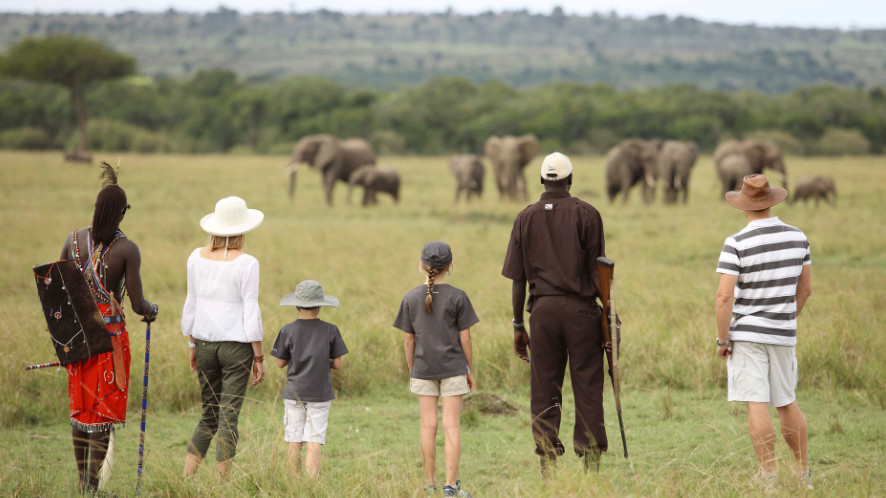
Imagine watching elephants cross the savannah at sunrise, hearing a lion call across the plains, or meeting a mountain gorilla deep in an ancient rainforest. These experiences are not reserved for travelers with unlimited budgets. When comparing a budget vs luxury safari Uganda experience, the biggest difference is often how you travel, where you sleep and how much convenience you enjoy—not whether you can experience Uganda’s extraordinary wildlife.
Uganda offers remarkable choices, from simple safari lodges and shared journeys to private 4×4 vehicles, exclusive wilderness camps and flights between destinations. The challenge is knowing which upgrades genuinely improve your trip and which expenses you can avoid.
This guide compares Uganda safari prices, accommodation, transport, gorilla trekking and practical itineraries for 2026. You will learn how much to budget, where spending more makes sense and how to plan a rewarding African adventure without paying for things you do not need.
Quick Facts: Budget vs Luxury Safari Uganda
At a glance
- Budget safari: Approximately US$150–$300 per person per day.
- Mid-range safari: Approximately US$300–$600 per person per day.
- Luxury safari: Approximately US$600–$1,500 or more per person per day.
- Gorilla trekking: Requires a separate permit or a package that explicitly includes it.
- Best value strategy: Prioritize wildlife activities, a reliable guide, sensible routing and comfortable accommodation.
- Best for luxury travelers: Premium lodges, greater privacy, personalized service and optional domestic flights.
These are indicative planning ranges, not guaranteed package quotations. Actual prices depend on the season, group size, accommodation, itinerary and inclusions. Confirm applicable wildlife permits and park fees for your travel dates before paying a deposit.
1. Budget vs Luxury Safari Uganda: What Is the Real Difference?
The central question is not simply whether an expensive safari is better. It is whether the additional comfort, flexibility and service are worth the difference for your particular trip.
What a budget Uganda safari offers
A budget safari focuses spending on essential experiences. You might stay in a modest lodge, guesthouse or campsite, travel by road and share transport with other travelers where suitable arrangements are available.
You can still visit destinations such as Queen Elizabeth National Park, Murchison Falls National Park and Bwindi Impenetrable National Park. Game drives, scenic landscapes, boat trips and permitted gorilla trekking experiences are not exclusive to luxury travelers.
However, basic accommodation may offer simpler furnishings, fewer facilities and less flexibility. Longer road journeys can also feel tiring if your itinerary includes several distant parks.
A cheap Uganda safari should reduce unnecessary costs—not compromise safety, legitimate permits or the quality of essential guiding.
What a luxury Uganda safari offers
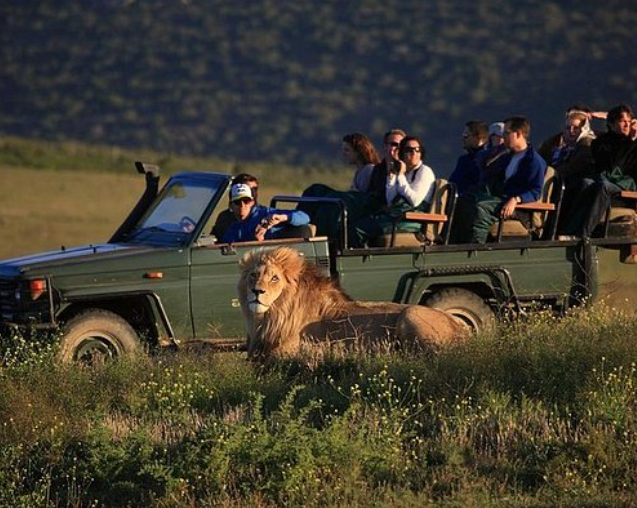
A luxury safari places greater emphasis on comfort and convenience. Depending on the package, you may enjoy an upscale lodge, a private 4×4 vehicle, a dedicated driver-guide, fine dining, laundry services and a room overlooking a river, forest or wildlife-rich landscape.
Some itineraries use domestic flights to reduce long drives. Premium properties may also provide personalized service, private decks, spa treatments or exclusive dining arrangements.
These extras can make a substantial difference when you want privacy, have limited vacation time or prefer to relax between activities.
The key distinction: a higher price generally buys a more comfortable and convenient journey, not a guaranteed better wildlife sighting.
2. Uganda Safari Prices: Budget, Mid-Range and Luxury Compared
Understanding the safari cost in Uganda starts with separating daily travel expenses from special activities and international flights.
The following estimates are useful for initial planning. They assume an organized safari on the ground and can vary considerably between operators.
| Cost category | Budget | Mid-range | Luxury |
|---|---|---|---|
| Approximate daily cost per person | $150–$300 | $300–$600 | $600–$1,500+ |
| Accommodation | Basic lodge or campsite | Comfortable lodge | Premium lodge or luxury camp |
| Transport | Shared or cost-conscious road travel | Private road vehicle | Private vehicle or optional fly-in travel |
| Guiding | Organized group or standard guided trip | Dedicated professional guide | Personalized guiding and service |
| Dining | Simple meals or set menus | Full-board meals | Higher-end dining and tailored options |
| Flexibility | More structured | Moderate to high | Generally high |
All amounts are indicative US-dollar estimates per person per day, not fixed market tariffs. Confirm whether park entry, activities, meals, taxes and transport are included.
Example: What might a seven-day safari cost?
For a preliminary budget, multiplying the daily estimates by seven gives the following ranges:
| Travel style | Seven-day estimate per person |
|---|---|
| Budget | $1,050–$2,100 |
| Mid-range | $2,100–$4,200 |
| Luxury | $4,200–$10,500+ |
These totals illustrate the effect of travel style; they are not complete quotations for a specific itinerary. Gorilla permits, other special activity fees, international flights, visas, insurance, tips and personal spending may be additional.
For two travelers sharing a room, the per-person price can be lower because some transport and accommodation costs are shared. Solo travelers may pay more per person for private transport and single occupancy.
Why safari quotes differ
Two companies can quote very different prices for what appears to be the same safari. One may include park fees, full-board accommodation and a private vehicle, while another excludes some activities or meals.
Before comparing Uganda safari packages, ask each operator for an itemized breakdown. Check the number of nights, room type, vehicle arrangements, activities, permit status, taxes and cancellation conditions.
3. Accommodation and Transport: Where Your Money Goes
Accommodation and transport are two of the biggest variables in a budget vs luxury safari Uganda comparison.
Budget accommodation versus luxury lodges
Budget properties are suitable for travelers who want a clean, practical place to sleep and prefer to spend most of their time exploring. Their location matters enormously. A well-positioned modest lodge can be more useful than an expensive property that adds unnecessary driving to every activity.
Luxury lodges often provide larger rooms, private verandas, attractive views, attentive service and more extensive dining options. Some are located close to park gates or in scenic settings that make downtime part of the experience.
Choose a property based on its location, cleanliness, service, food and suitability for your itinerary—not just the number of stars.
Road transfers versus domestic flights
Road travel usually provides the more economical way to connect Uganda’s national parks. It also lets you appreciate rural landscapes, stop at suitable viewpoints and visit communities along the route.
The downside is time. Distances that look manageable on a map can translate into long drives because of road conditions, traffic and the location of your accommodation.
Domestic flights can save valuable time on selected routes, although they increase the cost and may involve baggage restrictions, transfer arrangements and additional logistics.
Insider tip: Ask your operator to calculate the total cost of a road itinerary and a fly-in alternative. Compare the hours saved, not just the flight price. A flight may be worthwhile for a short holiday but unnecessary for a longer trip.

4. Gorilla Trekking and Wildlife: Do You Get the Same Experience?
Uganda’s greatest strength is the variety of wildlife experiences available within one destination. You can combine mountain gorilla trekking, chimpanzee tracking, traditional game drives, boat safaris, birdwatching and cultural encounters.
Gorilla trekking in Bwindi and Mgahinga
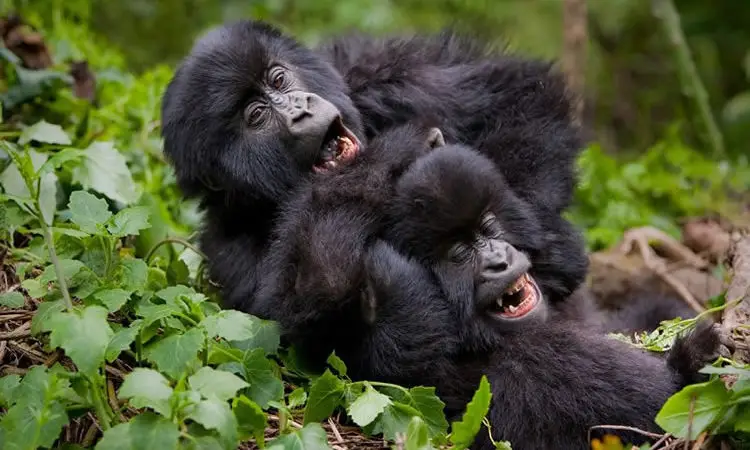
Bwindi Impenetrable National Park and Mgahinga Gorilla National Park are Uganda’s principal destinations for mountain gorilla trekking.
The permit is a major fixed expense, particularly for international visitors. A luxury room does not replace the permit, and choosing basic accommodation does not automatically make the permit cheaper.
For the 2026–2027 travel period, verify the applicable rate and availability directly through the current Uganda Wildlife Authority tariff or an authorized booking arrangement. Older tariffs should not be treated as automatically valid for every 2026 date.
The trek itself can be physically demanding. Terrain, weather and the location of the gorilla family influence how long you walk. Your accommodation standard does not guarantee an easier trek or a closer encounter.
Chimpanzees and savannah wildlife
Kibale National Park is known for chimpanzee tracking, while Queen Elizabeth National Park offers savannah wildlife, birdlife and the Kazinga Channel boat experience. Murchison Falls National Park combines wildlife viewing with dramatic river scenery and a powerful waterfall.
These experiences can fit a range of budgets. What matters is allowing enough time for the activities and choosing accommodation that works with the route.
Where luxury makes a difference
A private vehicle can offer greater flexibility over departure times and stops. A comfortable lodge can help you recover after a demanding trek. A knowledgeable guide can explain animal behavior, identify birds and help you understand the landscape.
However, wildlife is unpredictable. No responsible operator can guarantee sightings of every animal, even on a premium safari.

5. Sample Uganda Safari Itineraries for Different Budgets
A useful comparison needs to consider how the itinerary works in practice, not just the nightly room rate.
Option A: A cost-conscious three-day wildlife safari
A short safari can focus on one accessible destination rather than attempting to cover the entire country.
- Day 1: Travel from Entebbe or Kampala toward the selected park, with suitable stops along the way.
- Day 2: Enjoy a morning game drive and a scheduled wildlife activity where available.
- Day 3: Take another planned activity before returning.
This approach suits travelers with limited time who want a taste of Uganda’s wildlife. The final cost depends heavily on the chosen park, transfer distance, accommodation and activities.
Option B: A seven-day mid-range wildlife and primate safari
A longer trip can combine forest wildlife with savannah scenery.
- Days 1–2: Travel to Kibale and take part in a planned chimpanzee-tracking experience.
- Days 3–4: Continue toward Queen Elizabeth National Park for game drives and a boat activity.
- Days 5–6: Travel toward Bwindi or Mgahinga for a gorilla trek, provided a permit is secured.
- Day 7: Begin the return journey or use an appropriate onward transfer.
This itinerary involves considerable driving. A well-planned route, correctly located accommodation and confirmed permit dates are essential. Depending on flight schedules and the departure point, seven days may feel rushed.
Option C: A luxury seven- to ten-day safari
Travelers prioritizing comfort can combine premium accommodation with a private guide and, where practical, domestic flights.
A possible route includes Murchison Falls, Kibale, Queen Elizabeth and Bwindi, adjusted to avoid unnecessary backtracking. The operator should build the itinerary around available flights, activity permits and realistic transfer times.
The advantage is a more tailored experience. The trade-off is a significantly higher price, especially when using exclusive lodges or private air transfers.

6. Smart Ways to Save Without Ruining Your Safari
The best way to reduce safari costs is to remove expenses that add little value to your priorities.
Choose your parks strategically
Do not add a distant park just because it appears on a popular itinerary. Every additional destination may require another transfer, an extra night and additional logistics.
If gorilla trekking is your main goal, build the trip around Bwindi or Mgahinga. If savannah wildlife is more important, focus on a suitable combination of parks rather than trying to see everything in one week.
Travel with the right group size
Sharing a vehicle can lower the per-person cost of a safari. For couples or families, compare the total private-safari quotation with any genuine group-sharing option available.
Ask whether a shared safari has fixed departure dates, a minimum group size and a clearly defined route. A low advertised rate is not helpful if the departure cannot be confirmed.
Spend on location before luxury
A comfortable lodge near your planned activity may offer better overall value than a more expensive property that requires extra transfers. Prioritize a safe vehicle, a competent guide, reliable accommodation and confirmed permits.
Book permits and accommodation in the right order
Gorilla trekking permits have limited availability. Check the permit for your preferred date and trekking sector before making non-refundable accommodation commitments.
Also compare cancellation policies and payment terms. An inexpensive package can become costly if changing one reservation creates several additional charges.
Be careful with very cheap offers
A quote far below comparable offers deserves scrutiny. Ask what is excluded, whether the operator has properly arranged permits, how the vehicle is maintained and whether taxes or park fees will be added later.
The cheapest price is not necessarily the lowest final cost.
7. Best Time to Visit Uganda on a Budget or Luxury Safari
Uganda is a year-round destination, but weather can affect road conditions, trekking difficulty, photography and the overall pace of your trip.
The generally drier periods, often around June to August and December to February, are popular with many wildlife travelers. Forest trekking remains possible in wetter months, but rain can make trails slippery and walking more challenging.
April, May and November are often wetter. Some travelers prefer these months because landscapes can be lush and visitor numbers may be lower in certain locations. However, discounts, lodge availability and permit prices must be checked for the actual dates rather than assumed.
For budget travelers, flexible dates can create more accommodation choices and help avoid expensive peak-period arrangements. Luxury travelers may value peak-season conditions but should reserve desirable lodges and permits early.
The best travel period depends on your priorities, not a universal rule. Discuss trekking, wildlife viewing, road conditions and accommodation availability before choosing dates.

8. How to Choose the Right Safari for You
Before booking, answer four practical questions.
What is your main priority? If it is gorilla trekking, secure the permit and build the route around it. If it is wildlife photography, consider the parks, available time and flexibility of game drives.
How much time do you have? A short trip may justify paying more for convenient transfers. With more days, you can often use road transport and still enjoy a varied itinerary.
What level of comfort matters to you? Decide whether you need premium rooms, private dining, laundry services or flights—or whether a clean, comfortable lodge is sufficient.
What is your actual total budget? Include international flights, insurance, visas where required, tips, meals not included in the package and personal expenses.
Bigodi Africa Expeditions can use these priorities to help structure a trip around your interests. Ask for a quotation that clearly separates included services from optional extras.
Frequently Asked Questions
1. How much does a Uganda safari cost in 2026?
A rough planning range is US$150–$300 per person per day for budget travel, US$300–$600 for mid-range travel and US$600–$1,500 or more for luxury travel. These estimates vary by itinerary and inclusions. Gorilla permits and international flights may be additional, so request a full quotation for your dates.
2. Is a budget safari in Uganda worth it?
Yes, a well-organized budget safari can offer excellent wildlife experiences. You can visit national parks, take guided game drives and arrange permitted primate-tracking activities without staying at a luxury lodge. The important factors are safe transport, appropriate accommodation, reliable guiding and transparent pricing.
3. Is a luxury Uganda safari worth the extra cost?
It can be worthwhile if comfort, privacy, personalized service and saving travel time are priorities. Premium accommodation and flights may improve the overall experience, especially on shorter trips. If you prefer spending your money on wildlife activities and do not need luxury facilities, a budget or mid-range safari may suit you better.
4. How much does gorilla trekking cost in Uganda?
The total cost includes the applicable gorilla permit, accommodation, transport, meals and any additional services. Permit prices depend on visitor category and the tariff applicable to the travel date. Confirm current rates and availability before booking, and check whether your package includes the permit or lists it separately.
5. Can I combine gorilla trekking with a wildlife safari?
Yes. Many itineraries combine Bwindi or Mgahinga with Queen Elizabeth National Park, Kibale National Park or other destinations. The ideal combination depends on the number of days available, permit dates, transfer times and budget. Avoid packing too many distant parks into a short trip.
6. What is the cheapest way to experience a Uganda safari?
Choose a focused itinerary, consider sharing transport, use suitable budget accommodation and avoid unnecessary transfers. Compare the full package price rather than the headline daily rate. Never cut costs by skipping required permits, accepting unsafe transport or booking through an operator that cannot explain its inclusions.
7. When should I book a Uganda safari?
Book as early as practical if you need a specific gorilla trekking date, a popular lodge or travel during a busy season. Confirm permits and accommodation before committing to non-refundable arrangements. The appropriate lead time depends on your dates, party size and preferred properties.
Conclusion: Choose Value, Not Just a Price
The best safari is not automatically the cheapest or the most expensive. It is the one that matches your priorities, gives you enough time to enjoy Uganda and uses your budget where it matters most.
Three principles make the decision easier: compare complete package costs, prioritize the wildlife experiences you care about and choose accommodation and transport that suit your schedule. Budget travel can deliver remarkable encounters, while luxury travel can provide extra comfort, privacy and convenience.
When planning your budget vs luxury safari Uganda experience, work with a local operator who explains the details clearly and builds a realistic itinerary around your needs. Bigodi Africa Expeditions can help you explore your options, compare safari styles and plan a trip tailored to your budget. Book your dream safari and start planning today—Uganda’s forests, wildlife and unforgettable landscapes are waiting for you!