Best East Africa Safari Packages for Wildlife, Gorillas & Multi-Country Adventures in 2026
18/09/2026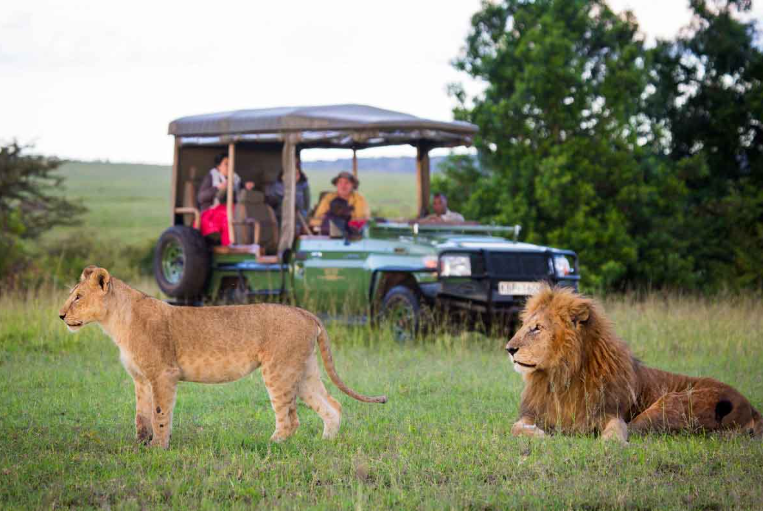
Uganda Family Safari: How to Plan an Unforgettable Family Adventure
The first time a child sees a wild elephant walking across the savannah, a safari stops being a holiday and becomes a story they may remember for the rest of their life. A Uganda family safari can deliver exactly that experience, but only if the trip is designed around the family rather than simply copying an adult safari itinerary.
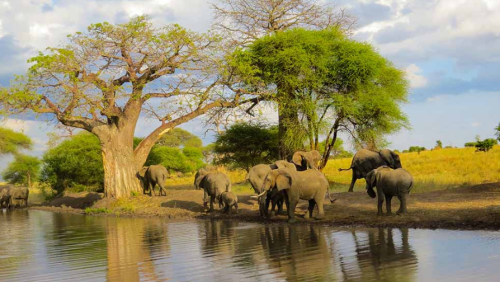
Uganda is particularly interesting for families because a single trip can combine savannah game drives, boat cruises, forests, lakes, cultural experiences and primate encounters. You can watch elephants in Queen Elizabeth National Park one day and be cruising among hippos and crocodiles on the Kazinga Channel the next.
But there is a catch: Uganda is not automatically easy for children. Some road journeys are long, safari days can start early, and certain activities have strict age requirements. The difference between an exhausting family trip and an incredible one usually comes down to planning.
This guide explains where to go, what children can do, how much to budget, when to visit, how to structure your days and which mistakes parents should avoid.
At a Glance: Uganda Family Safari Essentials
| Planning factor | Practical advice |
|---|---|
| Ideal trip length | 5–10 days |
| Best family parks | Queen Elizabeth, Murchison Falls, Lake Mburo |
| Best for older children | Wildlife, chimpanzees and gorilla trekking |
| Gorilla trekking minimum age | 15 |
| Best dry periods | June–August and December–February |
| Typical park entry | Around $40–$45 per foreign non-resident adult, depending on park and tariff |
| Gorilla permit | $800 per foreign non-resident visitor |
| Best vehicle | Private 4×4 safari vehicle |
| Best approach | Slower itinerary with fewer long transfers |
| Best family advantage | Variety of wildlife and non-trekking activities |
A well-designed Uganda family safari should not attempt to visit every famous park. More destinations do not automatically mean a better holiday. For families, the quality of each day matters more than the number of pins on the map.
Current UWA tariff information places the foreign non-resident gorilla permit at $800, while current park-entry rates vary by destination. Families should confirm applicable rates before booking because conservation tariffs are periodically revised.
Is Uganda a Good Family Safari Destination?
Yes — but Uganda safari with kids works best when the itinerary is built around their ages, energy levels and interests.
The country gives families an unusual amount of variety. A child who becomes restless during a long game drive may be fascinated by a boat cruise. A teenager interested in animals may prefer chimpanzee tracking. Younger children can enjoy nature walks, cultural visits, birdwatching and lakeside activities without needing to participate in physically demanding treks.
That variety is one of Uganda’s biggest advantages.
Another benefit is the possibility of travelling privately. Instead of being locked into another group’s schedule, a private safari vehicle lets your guide adjust the day when children need a break, lunch comes early or everyone simply needs an afternoon beside the pool.
For family safari Uganda planning, this flexibility is not a luxury. It is one of the smartest investments you can make.
However, parents should be realistic. Uganda is a genuine African safari destination, not a theme park. Roads can be rough, journeys can take several hours and wildlife sightings are never guaranteed.
The solution is not to avoid Uganda. It is to plan intelligently.
Families should also check age restrictions before booking specialist activities. Gorilla trekking, for example, is restricted to visitors aged 15 and above. Younger children therefore need alternative experiences while eligible family members trek.
Best Places for a Uganda Family Safari
Choosing the right parks is more important than trying to see everything.
Queen Elizabeth National Park
For many families, Queen Elizabeth National Park is one of the strongest starting points.
It offers game drives, elephants, buffaloes, lions, antelope and excellent birdlife, while the Kazinga Channel provides one of the most enjoyable boat experiences in the country.
The boat cruise is especially useful for families because everyone can sit back while wildlife comes to the water. Hippos, crocodiles and waterbirds can be seen along the channel, creating a different experience from sitting inside a safari vehicle.
The Ishasha sector can also add another layer of excitement, particularly for families interested in seeing the famous tree-climbing lions.
Murchison Falls National Park
Murchison Falls works brilliantly for families who want dramatic scenery alongside wildlife.
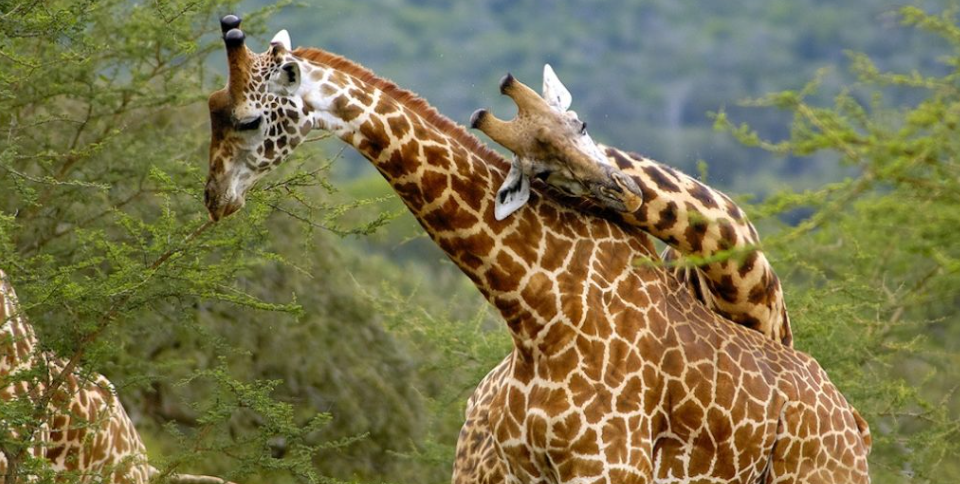
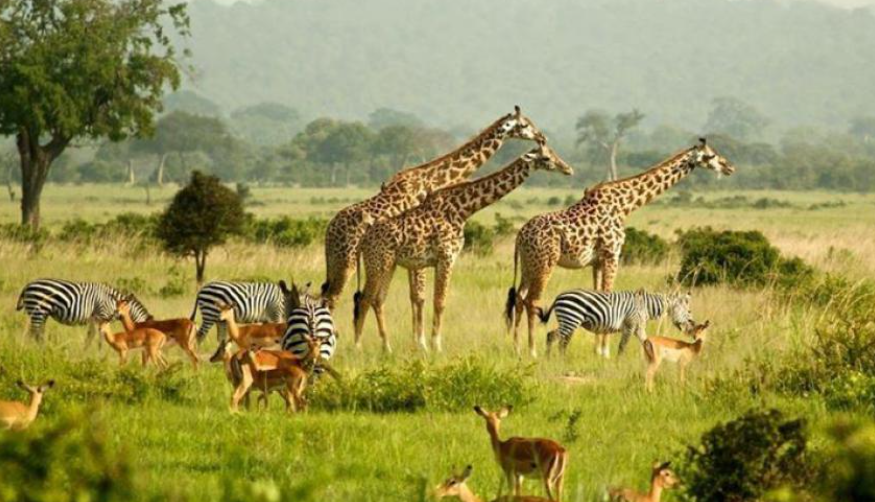
Game drives can produce sightings of elephants, giraffes, buffaloes, antelope and lions, while the Nile boat cruise adds a completely different perspective.
Children often enjoy the combination because the trip is not simply one long sequence of game drives.
The downside is distance. Murchison Falls can require a substantial road journey depending on the starting point and route, so it is better suited to a family with enough time rather than a rushed three-day trip.
Lake Mburo National Park
Lake Mburo can be an excellent option for a shorter Uganda family safari.
It is relatively convenient from Entebbe and Kampala compared with some of the country’s more distant parks. Families can experience wildlife, landscapes and activities without committing to several days of long road transfers.
It can therefore work particularly well as an introduction to safari for younger children.
Bwindi and Lake Bunyonyi
Bwindi is essential for families whose older children want to experience mountain gorillas.
But remember the age restriction: gorilla trekking is for visitors aged 15 and above. Families travelling with younger children should not build the entire trip around a gorilla trek.
Lake Bunyonyi can help solve this problem. It offers a slower-paced environment where families can relax, enjoy the scenery and participate in suitable lake activities while older family members undertake trekking activities.
Uganda Safari With Kids: What Can Children Actually Do?
One of the biggest mistakes parents make is assuming that children will simply enjoy ordinary adult safari activities.
Some will.
Some absolutely will not.
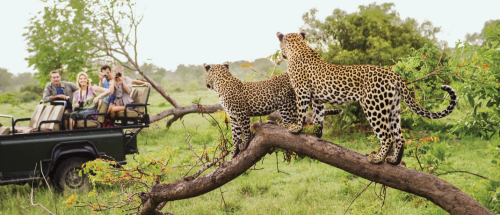
A successful Uganda safari with kids should mix wildlife viewing with activities that change the pace.
Game Drives
Game drives are the classic safari experience, but timing matters.
Instead of expecting young children to remain fascinated for six straight hours, ask your safari planner to build shorter viewing sessions into the itinerary.
Early mornings are productive for wildlife, but children may not appreciate being rushed out of bed every day. A good guide knows when to push for a wildlife opportunity and when to let the family sleep.
Boat Safaris
Boat trips are among the best family activities because they provide movement, scenery and wildlife without requiring children to sit in a vehicle for hours.
The Kazinga Channel is particularly attractive for this reason.
Cultural Experiences
A cultural experience can turn wildlife tourism into something educational.
Children can learn about food, crafts, farming, music and everyday life while gaining a better understanding of the communities living around Uganda’s protected areas.
The key is choosing genuine community experiences rather than staged performances designed purely for tourists.
Nature Walks and Easy Activities
Younger travellers can often enjoy guided nature walks, birdwatching, crafts and other age-appropriate activities.
Some destinations also offer dedicated children’s activities. Current safari operators increasingly build these experiences into family itineraries rather than leaving children with nothing to do while parents participate in specialist activities.
Gorilla Trekking With Children: The Rule Parents Must Know
This is the issue that can completely change a family’s itinerary.
Gorilla trekking in Uganda has a minimum age of 15.
That means a family travelling with children aged 14 and under cannot simply purchase permits for everyone and trek together.
This should be discussed before flights, accommodation and routes are booked.
For families with teenagers aged 15 or older, gorilla trekking can become the emotional highlight of the entire Uganda family safari. The experience involves hiking through forest terrain, so parents and teenagers should also be comfortable with the physical demands.
For families with younger children, the answer is not to cancel the trip.
Instead, build a parallel experience.
While eligible family members trek, younger children can participate in carefully arranged nature, cultural or lodge-based activities with trusted supervision. A professional local operator should coordinate the logistics rather than leaving parents to solve the problem after arrival.
The important lesson is simple: do not treat gorilla trekking as a family-wide activity unless every participant meets the age requirement.
How Much Does a Uganda Family Safari Cost in 2026?
There is no single price for a Uganda family safari because the final cost depends heavily on accommodation, number of travellers, vehicle type, itinerary length, activities and whether gorilla trekking is included.
Current market examples show family packages ranging from shorter mid-range trips to substantially more expensive luxury itineraries. Safari operators currently advertise family trips at very different price points, which is why comparing the total itinerary rather than just the headline price matters.
A useful planning framework looks like this:
| Expense | What affects the price |
|---|---|
| Accommodation | Budget, mid-range or luxury |
| Safari vehicle | Private 4×4 versus shared transport |
| Park fees | Number of parks and days |
| Gorilla permits | $800 per eligible foreign non-resident visitor |
| Chimpanzee tracking | Destination and applicable permit |
| Boat activities | Park and cruise type |
| Meals | Meal plan and lodge |
| Guide | Private guide generally included in organised safari |
| Flights | International and optional domestic flights |
| Travel insurance | Family coverage and activity requirements |
The gorilla permit deserves special attention because it can dramatically increase the cost of a family trip.
If two parents and a teenager aged 15 or above trek, three permits could add $2,400 to the safari budget at the current $800 foreign non-resident rate.
That is why a good family Uganda tours proposal should separate safari costs from optional specialist activities rather than hiding everything inside one vague package price.
Best Time for a Uganda Family Safari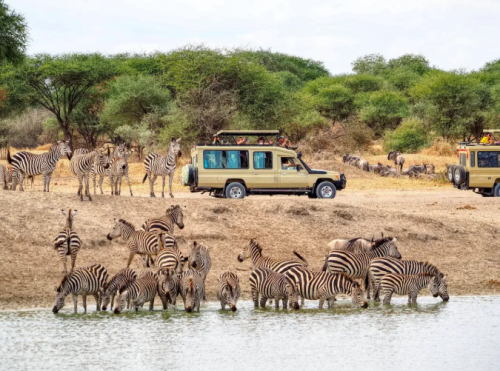
The most popular periods for a Uganda family safari are generally the drier months, particularly June to August and December to February.
During these periods, roads and trails are generally easier to manage and wildlife viewing conditions can be favourable. Uganda’s temperatures remain relatively warm throughout the year, but rainfall patterns influence road conditions and trekking comfort.
For families, weather is more than a wildlife issue.
Wet, muddy roads can make long transfers uncomfortable. Younger children may also become frustrated if rain disrupts outdoor activities.
However, travelling outside the peak dry periods can have advantages.
The landscapes become beautifully green, visitor numbers can be lower and some accommodation or travel products may offer more attractive rates. Rain does not mean every day will be a washout.
If school holidays dictate your dates, do not obsess over finding a “perfect” month. Focus instead on building a realistic itinerary with flexible activities.
A Smart 7-Day Family Uganda Safari Itinerary
A seven-day trip gives families enough time to experience wildlife without turning the holiday into a road marathon.
Day 1: Entebbe Arrival
Keep the first day deliberately easy.
Airport pickup, hotel check-in and a relaxed evening are usually better than immediately beginning a long transfer.
Day 2: Travel Toward Queen Elizabeth
Travel toward Queen Elizabeth National Park with suitable stops along the way.
The goal is to arrive with enough energy for the following day’s activities.
Day 3: Game Drive and Kazinga Channel
Start with a morning game drive, rest during the hottest part of the day and take a boat cruise later.
This is a strong family combination because children experience wildlife from both land and water.
Day 4: Queen Elizabeth to Bwindi
The journey toward Bwindi can be scenic but lengthy.
Break the journey where practical and avoid cramming additional activities into the day.
Day 5: Gorilla Trek or Family Alternative
Family members aged 15 and above can undertake gorilla trekking if permits have been secured.
Younger children should have their own pre-arranged activity.
Day 6: Lake Bunyonyi
Move to Lake Bunyonyi for a slower day.
Enjoy the scenery, relax and give everyone a break after trekking or several days of safari activity.
Day 7: Return Toward Entebbe
Begin the journey back toward Entebbe, allowing sufficient time for the transfer rather than scheduling an international flight immediately after a long road journey.
A seven-day route is only a starting point. Families with younger children may benefit from spending more nights in fewer locations.
Practical Tips for a Better Family Safari
Choose a Private Safari
This is one area where trying to save money can backfire.
A private vehicle allows your family to control the pace, take breaks and stop when children need food or rest.
For Uganda safari with kids, that flexibility can be worth far more than a small saving on the package.
Choose Lodges Carefully
Do not select accommodation based solely on beautiful photographs.
Ask about family rooms, sleeping arrangements, meal flexibility, swimming pools where appropriate, electricity, hot water and how close the lodge is to the next day’s activity.
A spectacular lodge that requires a huge transfer every morning is not necessarily a good family lodge.
Pack Snacks
This sounds obvious, but it matters.
Children can become hungry between meals, especially during long drives. Familiar snacks can also be useful when local meals are unfamiliar.
Keep Driving Days Under Control
A common Uganda family safari mistake is creating an itinerary that looks impressive on a map but is miserable inside a vehicle.
Three major parks in seven days may sound better than two.
It usually isn’t.
Give children time to actually experience each destination.
Book Gorilla Permits Early
If gorilla trekking is part of your family plan, secure eligible permits before building the rest of the trip around them.
Permit availability can influence dates and accommodation choices.
Use a Professional Local Operator
This is where local knowledge becomes practical.
A good operator understands road conditions, lodge locations, park logistics, activity timings and how to adjust an itinerary when a family needs more rest.
Bigodi Africa Expeditions can use that local planning approach to create a family itinerary around your children’s ages, interests and preferred travel pace rather than forcing your family into a generic package.
Common Family Safari Mistakes to Avoid
Trying to visit too many parks: More destinations mean more time in the vehicle.
Ignoring age restrictions: Check every specialist activity before booking.
Choosing the cheapest package: The cheapest itinerary can become expensive in comfort, convenience and family enjoyment.
Scheduling activities every day: Children need downtime.
Booking accommodation without checking room arrangements: Family sleeping arrangements should be confirmed in advance.
Forgetting the weather: Rain can affect roads and outdoor activities.
Expecting guaranteed wildlife sightings: Safari is wildlife viewing, not a zoo visit.
Underestimating transfer times: Always ask how long you will actually spend on the road.
The best Uganda family safari is not necessarily the longest or most expensive one. It is the one where everyone has enough energy to enjoy what happens next.
Frequently Asked Questions
Is Uganda good for a family safari?
Yes. Uganda offers game drives, boat cruises, cultural experiences, lakes, forests and wildlife encounters suitable for different age groups. The main requirement is sensible itinerary planning. Families should avoid overly ambitious routes and choose activities according to children’s ages and energy levels.
What age can children go on a Uganda safari?
Children can participate in many ordinary safari activities, but individual attractions have their own age requirements. Gorilla trekking has a minimum age of 15. Parents should therefore check the rules for every specialist activity before finalising an itinerary.
Is Uganda safari with kids safe?
A professionally organised Uganda safari with kids can be a safe and rewarding family holiday. Families should follow their guide’s instructions, remain inside the vehicle when required, respect wildlife distances and choose reputable accommodation and transport providers.
How many days are enough for a family safari in Uganda?
Five to seven days can provide a strong introduction, while eight to ten days allows a more relaxed multi-park itinerary. Families with young children should generally prioritise fewer destinations and more downtime rather than trying to cover the entire country.
What is the best park for families in Uganda?
Queen Elizabeth National Park is one of the strongest all-round choices because families can combine game drives with a Kazinga Channel boat cruise. Murchison Falls is excellent for families wanting dramatic scenery and Nile wildlife, while Lake Mburo can work well for shorter trips.
Can children see gorillas in Uganda?
Children under 15 cannot participate in gorilla trekking. Family members aged 15 and above can trek if they meet the applicable requirements and have permits. Younger children need alternative activities while the eligible travellers trek.
What is the best time for a family Uganda safari?
June to August and December to February are generally popular because of drier conditions and favourable wildlife viewing. However, other months can also provide rewarding experiences, especially for families who value greener scenery and potentially lower visitor numbers.
Final Thoughts: Make the Safari About Your Family
A great Uganda family safari is not about squeezing every famous attraction into one itinerary. It is about creating the right rhythm: exciting wildlife, comfortable accommodation, manageable drives, interesting activities and enough quiet time for children to recharge.
The three biggest lessons are simple. Choose fewer destinations, plan around your children’s ages, and invest in flexibility.
Do that, and Uganda can give your family something far more valuable than a collection of photographs: shared stories that everyone remembers years later.
If you are ready to build a family trip around your own schedule, ages and interests, Bigodi Africa Expeditions can help you create a practical, personalised itinerary across Uganda. Start planning your Uganda family safari today and get ready for the moment your children see Africa’s wildlife in the wild for the very first time.