Complete Uganda Safari Travel Guide: National Parks, Wildlife, Costs, Itineraries and Travel Tips
09/10/2026
Uganda Safari Mistakes: How to Plan a Better African Adventure
A dream safari can become an exhausting, expensive experience when a few simple planning decisions go wrong. From arriving at the wrong gorilla trekking sector to spending entire days driving between national parks, many Uganda safari mistakes happen before travelers even board their flights.
Uganda offers extraordinary experiences, including mountain gorilla trekking in Bwindi Impenetrable National Park, chimpanzee tracking in Kibale Forest, wildlife viewing in Queen Elizabeth National Park, and boat trips along the Nile at Murchison Falls. However, enjoying these experiences requires more than choosing beautiful destinations.
The good news is that most planning problems can be avoided with the right information. This guide explains the mistakes that can affect your budget, comfort, safety, and wildlife encounters, along with practical ways to prevent them.
Whether you are planning a budget adventure, a luxury holiday, or a family safari, these Uganda safari tips will help you build a realistic itinerary and make better decisions before departure.
Quick Facts: Uganda Safari Planning at a Glance
- Best planning approach: Choose your priorities before selecting destinations.
- Essential early booking: Secure gorilla permits before finalizing a gorilla-focused itinerary.
- Transport: Road transfers can take several hours, especially between distant parks.
- Weather: Rain can occur throughout the year, particularly in forested and mountainous areas.
- Packing essentials: Comfortable walking shoes, rain protection, insect repellent, sun protection, and neutral-colored clothing.
- Budget rule: Compare complete safari quotations rather than choosing the cheapest advertised price.
- Best advice: Allow enough time to enjoy each destination instead of rushing between parks.
1. Booking Gorilla Permits Too Late
One of the most expensive Uganda safari mistakes is waiting too long to arrange mountain gorilla trekking.
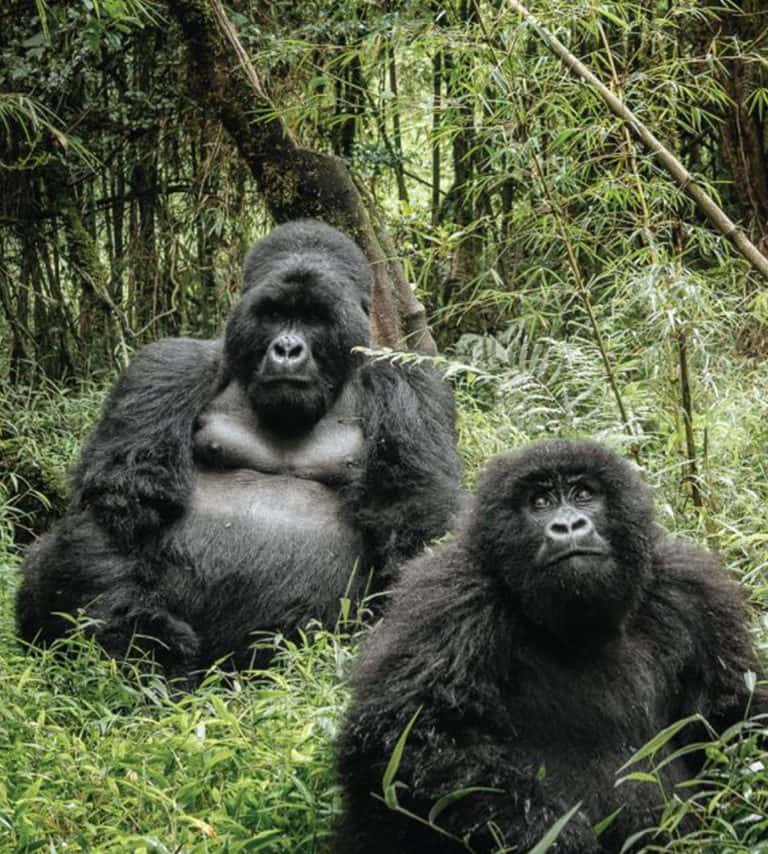
Uganda’s gorillas live in Bwindi Impenetrable National Park and Mgahinga Gorilla National Park. Trekking is tightly managed, and availability depends on the dates, habituated gorilla families, and permits allocated to visitors.
Travelers who postpone permit arrangements may discover that their preferred dates are unavailable. This can force them to change accommodation, rearrange transport, or abandon an important part of their itinerary.
How to avoid this mistake
Start planning as soon as your travel dates become reasonably clear. Check permit availability through the Uganda Wildlife Authority or a reputable local safari operator before committing to non-refundable flights and accommodation.
Do not assume that a lodge reservation automatically includes a gorilla permit. Request written confirmation of what has been secured.
Permit prices and eligibility can change, so verify the current tariff for your travel date instead of relying on an old blog post.
Insider tip: Choose the trekking sector and secure the permit before booking your lodge. This reduces the risk of paying for accommodation that is inconveniently located for your trek.
2. Underestimating Driving Distances
Another common error is assuming that Uganda’s major attractions are close together because the country looks relatively compact on a map.
Road travel can be slow because of traffic, road conditions, mountain terrain, weather, stops, and the location of park gates. A journey that appears manageable on a map may consume most of a day.
For example, a transfer from Entebbe to the Bwindi region can take roughly eight to ten hours by road, depending on the destination and conditions. Kampala to Murchison Falls National Park can take approximately five to six hours, although actual journey times vary.
How to avoid this mistake
Ask your tour operator for realistic transfer estimates, including meal stops and expected arrival times. Avoid scheduling a demanding paid activity immediately after a long journey.
If you have limited time, consider whether a domestic flight makes sense for your budget and route.
A well-designed safari itinerary balances wildlife activities with travel time. Fewer destinations with enough time to explore often deliver a better experience than a long list of rushed stops.
3. Trying to Visit Too Many National Parks
Wanting to see everything is understandable. Uganda has gorillas, chimpanzees, savannah wildlife, waterfalls, lakes, birdlife, and remarkable cultural experiences.
However, combining Murchison Falls, Kibale Forest, Queen Elizabeth National Park, Bwindi, and several other destinations into a short trip can leave you spending more time in a vehicle than enjoying the places you came to see.
How to avoid this mistake
Choose two or three priorities based on your interests and available time.
- Gorilla trekking: Focus on Bwindi or Mgahinga and allow time for transfers.
- Primates and wildlife: Consider combining Kibale Forest with Queen Elizabeth National Park.
- Classic wildlife and scenery: Consider Murchison Falls National Park, with enough time for game drives and a Nile boat cruise.
- A longer adventure: Add destinations only when the route and travel days make sense.
Do not measure a safari’s quality by the number of parks visited. Measure it by the quality of the experiences you have time to enjoy.

4. Choosing the Cheapest Safari Without Comparing Inclusions
A low quotation can look attractive, especially when comparing several tour operators. But the cheapest package does not always provide the best value.
Two quotations may differ in accommodation standards, vehicle quality, guide services, meals, park activities, permit arrangements, and the number of nights included. What appears to be a saving can become an unexpected expense later.
How to avoid this mistake
Request an itemized quotation and compare the same elements across providers.
| What to compare | Questions to ask |
|---|---|
| Accommodation | Which lodges are included, and what are their room categories? |
| Transport | Is a private 4×4 vehicle included? |
| Permits | Are trekking permits included and confirmed? |
| Meals | Which meals are covered? |
| Activities | Are game drives, boat cruises, and guided walks included? |
| Extra costs | Are park fees, tips, drinks, and transfers excluded? |
| Payment terms | What are the deposit, cancellation, and refund conditions? |
A professional local operator should explain the quotation clearly rather than pressuring you to pay before you understand it.
5. Booking Accommodation in the Wrong Location
A lodge may advertise itself as being near a national park, but that does not necessarily mean it is convenient for your planned activities.
This is particularly important in Bwindi, which has four main trekking sectors: Buhoma, Ruhija, Rushaga, and Nkuringo. They are geographically distinct, and traveling between them can take considerable time.
Booking a beautiful lodge in the wrong sector may mean an unnecessarily early departure or a long transfer before your trek.
How to avoid this mistake
Confirm your permit’s trekking sector before selecting accommodation. Ask the lodge or operator about the actual journey to the relevant briefing point, not simply the distance to the national park.
Also consider road access, meal arrangements, electricity, internet availability, and the lodge’s suitability for your travel style.
Insider tip: For an early-morning gorilla trek, a conveniently located lodge can be more valuable than one with extra luxury features but a difficult approach road.
6. Assuming the Weather Will Always Be Dry
Uganda’s climate varies by region and altitude. Rain can occur throughout the year, and forest trekking conditions can change quickly.
The commonly recognized wetter periods are around March to May and October to November, although local patterns vary. Mountainous areas can be cool, damp, and muddy even when lower-lying destinations are warm.
Avoiding all rainy-season travel is not necessary. However, failing to prepare for rain is one of the Uganda safari mistakes that can make an otherwise rewarding trip uncomfortable.
How to avoid this mistake
Pack a lightweight waterproof jacket, a rain cover for your daypack, quick-drying clothing, and footwear suitable for muddy trails.
For gorilla trekking, consider gardening-style gloves or sturdy trekking gloves to help protect your hands when moving through vegetation. Bring warm layers for cool mornings and evenings.
Choose travel dates based on your priorities, not weather assumptions alone. Wildlife viewing, photography, trekking conditions, and lodge prices may all influence your decision.
7. Ignoring Health Preparation and Travel Insurance
A safari involves more than booking flights and choosing lodges. Depending on your itinerary, you may spend time in remote areas, trek through forests, and travel far from major medical facilities.
Neglecting health preparation can leave you without appropriate preventive advice or insurance protection when you need it.
How to avoid this mistake
Consult a qualified travel-health professional well before departure. Discuss vaccinations, malaria prevention, insect-bite precautions, and any health considerations relevant to your destinations and activities.
Check the current entry requirements for your nationality directly with Uganda’s immigration authorities. Requirements can change; do not rely on outdated visa or vaccination information.
Purchase travel insurance that specifically addresses your activities and potential medical evacuation needs. If gorilla trekking is central to your trip, check how the policy treats non-refundable permits, cancellations, and interruptions.
Keep prescription medicines in their original packaging and carry essential medication in your hand luggage.
8. Packing the Wrong Clothes and Equipment
Packing too much can be as inconvenient as packing too little. Heavy suitcases are difficult to manage when transferring between lodges, and unsuitable footwear can make forest trekking uncomfortable.
On the other hand, leaving behind basic equipment can reduce your enjoyment of wildlife viewing and outdoor activities.
How to avoid this mistake
Build your packing list around the activities you have booked.
For wildlife safaris:
- Neutral-colored, breathable clothing.
- A hat, sunglasses, and sunscreen.
- Binoculars for spotting distant animals.
- Insect repellent and a reusable water bottle.
- A camera with spare batteries, if needed.
For gorilla and chimpanzee trekking:
- Sturdy hiking boots with good grip.
- Long trousers and long-sleeved clothing.
- Waterproof outerwear.
- Comfortable socks and a small daypack.
- Gloves for gripping vegetation.
Avoid assuming that every lodge offers the same laundry facilities or equipment. Ask in advance, and confirm baggage limits if you plan to take a domestic flight.

9. Expecting Guaranteed Wildlife Sightings
Uganda offers excellent opportunities to see wildlife, but animals move freely within their habitats. A gorilla trek can take longer than expected, chimpanzees may be high in the canopy, and certain animals may not appear during a particular game drive.
Treating wildlife encounters as guaranteed can create unnecessary disappointment.
How to avoid this mistake
Set realistic expectations and listen to your guide’s advice. Wildlife viewing depends on animal movements, vegetation, weather, time of day, and other natural conditions.
Bring binoculars, allow enough time for game drives, and avoid judging a safari solely by the number of species photographed.
Remember that responsible operators should prioritize animal welfare and park regulations over obtaining a close photograph.
A good safari is about observing wildlife in its natural environment, not controlling what happens in the wild.
Practical Uganda Safari Tips for a Smoother Trip
The following habits can prevent several problems before they arise.
Confirm important bookings in writing
Keep copies of your itinerary, permit confirmations, accommodation reservations, payment receipts, and operator contact details. Make sure everyone in your travel party understands the schedule.
Leave room for unexpected delays
Road conditions, rain, traffic, and operational changes can affect your plans. Avoid connecting a long road transfer with an international flight on the same day unless the arrangements have been carefully assessed.
Understand what responsible guiding involves
Choose an operator who explains wildlife rules, supports local communities, uses appropriate vehicles, and communicates clearly about costs and logistics.
Carry suitable payment options
Ask which expenses can be paid by card and where cash may be useful. Confirm local currency arrangements, tips, optional activities, and any additional charges before departure.
Respect local customs and park rules
Dress respectfully when visiting communities, ask permission before photographing people, and follow your guide’s instructions around wildlife. These small choices contribute to a more considerate travel experience.

Frequently Asked Questions
What are the most common Uganda safari mistakes?
The most common problems include booking gorilla permits too late, underestimating driving times, squeezing too many destinations into a short itinerary, choosing accommodation in the wrong location, and failing to compare package inclusions. Poor packing and inadequate travel preparation can also affect comfort. The solution is to plan around your priorities, secure essential bookings early, and allow realistic travel time.
How far in advance should I book a Uganda safari?
Start researching as soon as you know your approximate travel dates. If gorilla trekking is essential, check permit availability early because daily allocations are limited. Peak travel periods and preferred accommodation can also create competition. The appropriate lead time depends on your dates, group size, and itinerary, so confirm availability rather than assuming a particular number of months will guarantee a booking.
What is the best time of year for a Uganda safari?
There is no single best time for every traveler. Drier periods can offer more convenient trekking and road conditions, while wetter periods can bring lush landscapes and rewarding photographic opportunities. Rain remains possible throughout the year. Consider the activities you want to prioritize, your flexibility, and the conditions in each region before choosing travel dates.
Is Uganda suitable for a first-time safari traveler?
Yes. Uganda offers guided wildlife safaris, primate experiences, scenic landscapes, and cultural activities for different interests and budgets. First-time visitors benefit from choosing a realistic route and understanding the logistics before departure. A knowledgeable guide can help with navigation, wildlife interpretation, park procedures, and changes to the daily schedule.
How can I avoid unexpected Uganda safari costs?
Ask for an itemized quotation showing accommodation, transport, meals, permits, park fees, and planned activities. Confirm which expenses are excluded, including tips, drinks, optional excursions, and personal purchases. Check cancellation terms and the treatment of non-refundable permits. Compare quotations with equivalent inclusions rather than selecting the lowest headline price.
Should I use a local Uganda safari operator?
A reputable local operator can help coordinate permits, accommodation, transport, guides, and activity schedules. Local knowledge is especially useful when planning routes between distant parks or arranging gorilla trekking. Before booking, assess the operator’s communication, written terms, itinerary detail, payment arrangements, and willingness to answer questions clearly.
Conclusion: Avoid the Mistakes and Enjoy Uganda
A successful safari begins long before you reach the first national park. The most important lessons are simple: secure essential permits early, build a realistic itinerary, and compare complete quotations before paying.
Prepare for changing weather, pack for your activities, check current entry requirements, and understand that wildlife encounters cannot be guaranteed. These decisions can save time, reduce unnecessary expenses, and make your trip more comfortable.
Most importantly, choose experiences that fit your available time and interests rather than trying to visit every destination in one journey.
When you are ready to plan, Bigodi Africa Expeditions can help you explore your options for gorilla trekking, wildlife viewing, and cultural experiences in Uganda and across East Africa. Start planning today, ask the right questions, and make your Uganda safari a memorable adventure. Africa is waiting!