Affordable Uganda Safari Packages: Costs, Itineraries, and Smart Booking Tips for 2026
07/10/2026
Common Uganda Safari Mistakes to Avoid: A Practical Planning Guide for 2026
12/10/2026
Uganda Safari: Discover Gorillas, Wildlife and Africa’s Wild Beauty
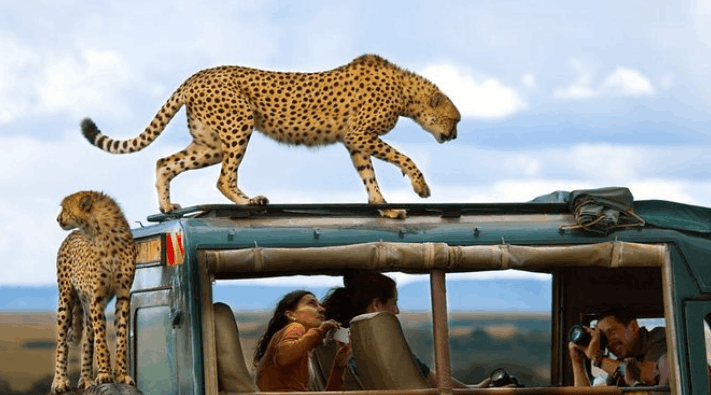
Imagine watching elephants cross a golden savanna in the morning, cruising past hippos along the Nile in the afternoon, and falling asleep to the sounds of an African rainforest. A Uganda safari brings these experiences together in one remarkable destination.
Uganda, often called the Pearl of Africa, offers a rare combination of traditional wildlife viewing, mountain gorilla trekking, chimpanzee encounters, spectacular waterfalls and vibrant cultural experiences. Unlike destinations focused mainly on open grasslands, Uganda combines savanna, tropical forest, wetlands, mountains and lakes within a relatively compact country.
This Uganda safari guide explains which national parks deserve your attention, when to travel, how much to budget, and how to choose an itinerary that suits your interests. Whether you want an affordable wildlife adventure, a comfortable lodge-based holiday or a luxury primate experience, the right planning can help you get far more from your time in East Africa.
Quick Facts: Uganda Safari at a Glance
- Destination: Uganda, East Africa
- Capital: Kampala
- International arrival airport: Entebbe International Airport
- Recommended duration: 5–10 days for a varied safari
- Signature experience: Mountain gorilla trekking in Bwindi Impenetrable National Park
- Other highlights: Chimpanzees, lions, elephants, hippos, birds and the Nile
- Popular travel periods: June–August and December–February
- Currency: Ugandan shilling
- Best transport for most multi-park trips: A suitable 4×4 vehicle with a professional driver-guide
- Main planning priority: Reserve limited-capacity wildlife experiences before finalizing the rest of the itinerary.
Safari costs vary considerably with accommodation, group size, transport, activities and travel dates. Treat any online price as a starting estimate rather than a guaranteed quotation.
Why Choose a Uganda Safari in 2026?
Uganda appeals to travelers who want more than conventional game drives. Its greatest advantage is the opportunity to combine several distinct ecosystems and wildlife experiences in one journey.
In Bwindi Impenetrable National Park, visitors can trek through dense montane forest to observe habituated mountain gorillas. Kibale National Park offers guided chimpanzee tracking, while Queen Elizabeth National Park combines savanna wildlife, crater lakes and a boat cruise along the Kazinga Channel.
Further north, Murchison Falls National Park showcases the Nile forcing its way through a narrow rocky gorge. Its surrounding landscapes support elephants, giraffes, buffalo, lions and numerous bird species.
A well-designed Uganda safari can therefore include primates, large mammals, river scenery and cultural encounters without requiring an international flight between destinations.
Uganda also suits different travel styles. Couples may prefer secluded forest lodges, families can choose shorter drives and flexible activities, and wildlife photographers can build itineraries around particular habitats or species.
The key is to choose experiences based on your priorities rather than trying to visit every famous location in one trip.
The Best National Parks for a Uganda Wildlife Safari
1. Bwindi Impenetrable National Park: Mountain Gorillas
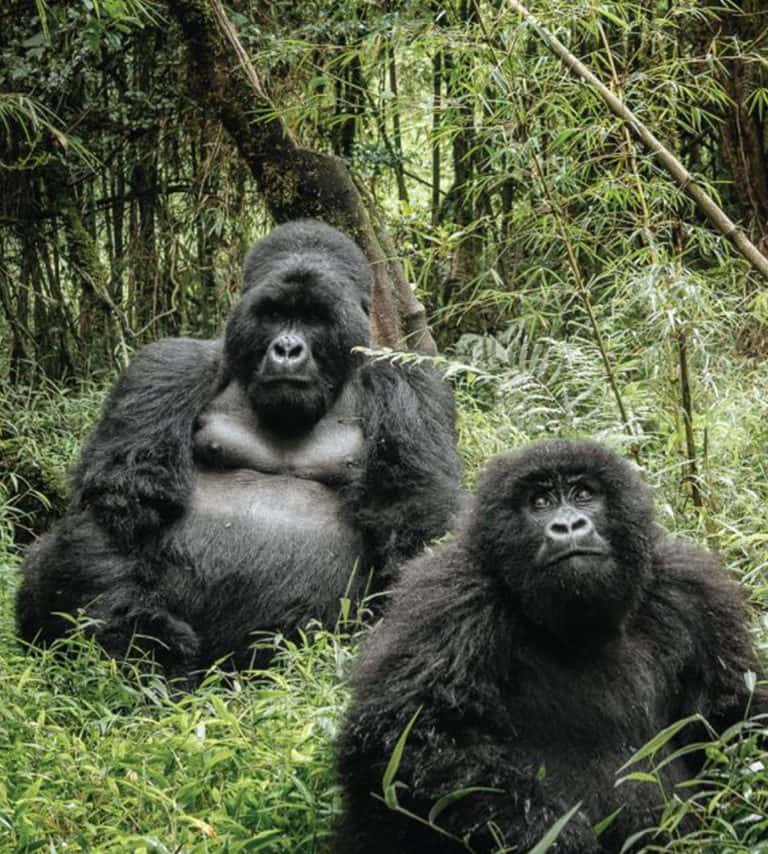
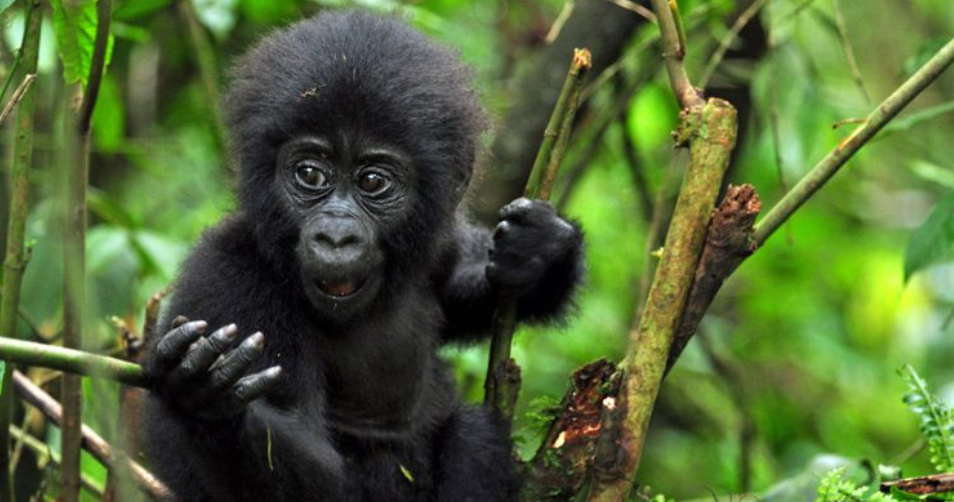
Bwindi is a leading destination for mountain gorilla trekking and one of the strongest reasons to visit Uganda.
The experience involves hiking with trained guides and trackers through forest terrain to locate a habituated gorilla family. Trek duration and difficulty vary depending on the group’s location, recent movements, weather and trail conditions.
Visitors must follow ranger instructions, maintain the required distance and observe the rules designed to protect both gorillas and people.
Best for: Gorilla encounters, forest scenery, conservation experiences and birdwatching.
Planning tip: Secure a permit for your preferred date and trekking sector before choosing accommodation. Lodges in the wrong part of the park can create unnecessary early-morning transfers.

2. Queen Elizabeth National Park: Classic Wildlife and Boat Safaris
Queen Elizabeth National Park is an excellent choice for travelers seeking a varied Uganda wildlife safari.
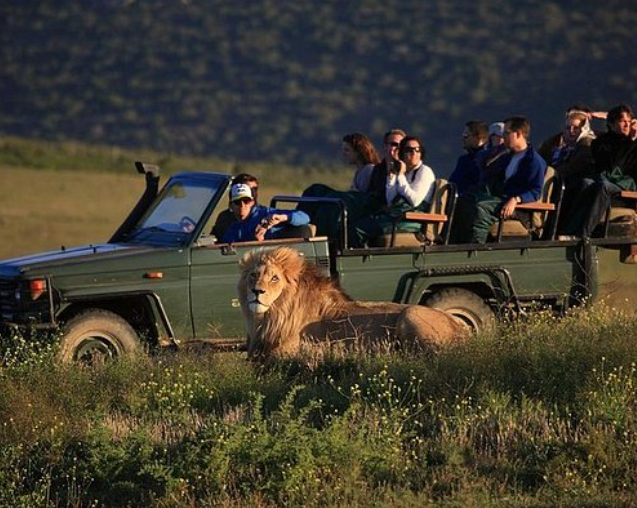
Its landscapes include open grasslands, wetlands, woodland and crater lakes. Game drives can reveal elephants, buffalo, antelope, warthogs and, with luck, lions and leopards.
The Kazinga Channel boat cruise is a major highlight. Visitors often see hippos, crocodiles, elephants near the water and an impressive variety of waterbirds.
The Ishasha sector in the park’s south is particularly famous for tree-climbing lions, although sightings are never guaranteed.
Best for: Game drives, boat safaris, birdwatching and combining savanna wildlife with gorilla trekking.
3. Murchison Falls National Park: The Nile and Big Game
Murchison Falls National Park is known for its dramatic waterfall, expansive landscapes and wildlife-rich riverbanks.
A typical visit combines morning or afternoon game drives with a boat trip toward the base of the falls. Depending on the route and conditions, travelers may encounter elephants, giraffes, buffalo, antelope, hippos and crocodiles.
The waterfall itself is a striking natural spectacle, where the Nile squeezes through a narrow gorge before plunging downstream.
Best for: First-time safari visitors, wildlife photography, boat excursions and dramatic scenery.
4. Kibale National Park: Chimpanzee Tracking
Kibale is one of Uganda’s principal destinations for chimpanzee tracking.
Visitors walk with guides through tropical forest while trackers help locate chimpanzee communities. The experience differs from gorilla trekking because chimpanzees are often highly mobile and may travel through the canopy or move quickly across the forest floor.
Kibale also supports other primates and offers rewarding opportunities for birdwatchers and nature enthusiasts.
Best for: Chimpanzees, primate diversity, forest walks and combining with Queen Elizabeth National Park.
5. Mgahinga Gorilla National Park: Gorillas and Golden Monkeys
Mgahinga lies in southwestern Uganda within the Virunga volcanic landscape. It offers mountain gorilla trekking, golden monkey tracking and spectacular mountain scenery.
Because the park is relatively small, it can be an appealing alternative for travelers who want a primate-focused itinerary with a distinctive volcanic setting.
Best for: Gorilla trekking, golden monkeys, mountain landscapes and guided hiking.
6. Kidepo Valley National Park: Remote Wilderness
For travelers seeking a more remote experience, Kidepo Valley National Park offers expansive scenery, rugged mountains and a strong sense of wilderness.
Its northern location means travel logistics require additional planning, but the park can reward visitors with memorable game drives and a less conventional safari experience.
Best for: Experienced safari travelers, photographers, remote landscapes and travelers with sufficient time.
How Much Does a Uganda Safari Cost?
The cost of a Uganda safari depends on the length of your trip, accommodation category, number of travelers, transport arrangements and activities.
The following ranges are indicative planning estimates, not fixed package prices.
| Safari style | Approximate daily budget per person |
|---|---|
| Budget safari | US$150–300 |
| Mid-range safari | US$300–500 |
| Luxury safari | US$600–1,500+ |
These estimates may not include international flights, every activity fee, visas, insurance or personal expenses. Single travelers may pay more per person because they cannot share vehicle and guide costs with other guests.
What makes the biggest difference to your budget?
Gorilla permits: Gorilla trekking is a substantial additional expense. Published 2026 travel guides commonly quote around US$800 per foreign non-resident permit, but rates and eligibility can change. Confirm the applicable price directly with the Uganda Wildlife Authority or your tour operator before paying.
Accommodation: Basic guesthouses and campsites can reduce costs, while premium forest lodges and luxury safari camps significantly increase the total.
Transport: A private 4×4 with a driver-guide offers flexibility but can cost more than shared transport. Domestic flights can save time on longer routes while adding expense.
Group size: Sharing a vehicle and guide generally reduces the per-person cost.
Trip duration: More days mean more accommodation, meals, fuel and park-related expenses, although a longer itinerary may provide a richer experience.
When comparing Uganda safari packages, ask for a written breakdown showing permits, accommodation, meals, park fees, transfers, activities and exclusions. A low headline price is not necessarily the best value if major expenses are missing.
Best Time to Visit Uganda
Uganda is a year-round destination, but seasonal conditions influence trekking, driving, photography and overall comfort.
June to August
These months are generally part of the drier season. Park roads and forest trails can be easier to manage, and wildlife viewing may be more comfortable in many areas.
Demand is often high, so book accommodation, transport and gorilla permits well in advance.
December to February
The second commonly preferred dry period offers good opportunities for game drives and primate experiences. It is another popular window for travelers combining multiple national parks.
March to May and September to November
Rainfall is generally more frequent during these periods, although local conditions vary. Trails may become slippery, and some roads may take longer to navigate.
The potential advantages include lush landscapes, attractive photography conditions and, depending on the operator and dates, lower accommodation rates or promotional offers.
Practical advice: Choose dates around your priorities, not weather alone. If gorilla trekking is essential, permit availability should be a major factor in your decision.

The Best Uganda Safari Itineraries
A strong itinerary balances wildlife experiences with realistic travel times. Road journeys between parks can take several hours, and weather, road conditions, traffic and stopovers can extend transfers.
Three-Day Gorilla Trekking Safari
Day 1: Arrive or connect to southwestern Uganda and transfer to your lodge near Bwindi.
Day 2: Take part in a guided mountain gorilla trek. Spend the remainder of the day resting or enjoying a suitable community activity.
Day 3: Return toward Entebbe or continue to your next destination, allowing sufficient time for transfers and flights.
This itinerary suits travelers with limited time, but it leaves little room for delays. Check whether a domestic flight or road transfer works best for your arrival and departure schedules.
Five-Day Wildlife and Gorilla Safari
Day 1: Travel from Entebbe toward Queen Elizabeth National Park.
Day 2: Enjoy a game drive and a Kazinga Channel boat cruise.
Day 3: Travel toward Bwindi, with the route and overnight stop chosen according to your trekking sector.
Day 4: Trek to observe mountain gorillas.
Day 5: Begin the return journey or connect to a suitable domestic flight.
This itinerary combines classic savanna wildlife with a forest primate encounter, although the travel schedule needs careful planning.
Seven-Day Uganda Safari
Day 1: Arrive at Entebbe and rest after your international flight.
Day 2: Travel to Kibale Forest and settle into your accommodation.
Day 3: Track chimpanzees before continuing toward Queen Elizabeth National Park, if the schedule allows.
Day 4: Enjoy a game drive and boat cruise.
Day 5: Travel toward Bwindi, with an optional stop in the Ishasha sector.
Day 6: Go gorilla trekking.
Day 7: Travel toward Entebbe or arrange a domestic flight where suitable.
This route offers an appealing introduction to Uganda’s wildlife, but road times should be confirmed before booking. An extra day can make the experience less rushed.

Practical Tips for Planning Your Uganda Safari
Choose a professional local tour operator
A knowledgeable operator can coordinate permits, park transfers, accommodation and activity schedules. Local expertise is particularly useful when a journey combines several national parks or when trekking permits are limited.
Ask for clear inclusions, cancellation conditions, accommodation names and a realistic day-by-day itinerary.
Pack for both forest and savanna
Bring lightweight neutral-colored clothing, comfortable walking shoes, a waterproof jacket, sun protection, insect repellent and binoculars.
For gorilla trekking, sturdy footwear and long clothing are useful because trails can be muddy, steep or overgrown. Follow your guide’s advice on any additional equipment.
Check entry and health requirements
Review the current visa and entry requirements for your nationality before departure. Confirm applicable vaccination requirements with an appropriate travel-health professional, and arrange travel insurance that covers your planned activities.
Carry essential documents and allow sufficient time between international and domestic flights.
Respect wildlife and local communities
Follow ranger instructions, avoid feeding wild animals, and keep a respectful distance from wildlife. During gorilla and chimpanzee encounters, obey health and behavioral rules intended to protect both visitors and primates.
When visiting communities, ask permission before photographing people and support local businesses where possible.
Avoid unrealistic schedules
One of the most common planning mistakes is trying to fit too many parks into too few days. Long transfers can consume the hours you hoped to spend watching wildlife.
A well-paced itinerary with fewer destinations often delivers a better experience than a rushed checklist of famous places.
Uganda Safari vs. Kenya and Tanzania
Uganda is particularly strong for travelers who want to combine primate encounters with traditional wildlife viewing.
Kenya and Tanzania are renowned for broad savanna landscapes, large wildlife concentrations and seasonal migration experiences. Uganda offers a different balance, with mountain gorillas, chimpanzees, forest habitats, waterfalls and savanna parks.
| Destination | Particularly suited to |
|---|---|
| Uganda | Gorilla trekking, chimpanzees, diverse landscapes and mixed wildlife itineraries |
| Kenya | Savanna wildlife, the Maasai Mara and migration-season experiences |
| Tanzania | Serengeti wildlife, Ngorongoro Crater and extensive safari circuits |
| Rwanda | Gorilla trekking, volcanic scenery and compact, high-end itineraries |
There is no universally best destination. Your choice should reflect the wildlife you most want to see, the time available, your budget and the style of travel you prefer.
Travelers with sufficient time may also consider a multi-country East African itinerary, provided border crossings, transport and activity bookings are coordinated carefully.
Frequently Asked Questions About Uganda Safaris
1. How many days do you need for a Uganda safari?
Five to seven days can provide a rewarding introduction to Uganda, particularly if you combine one or two wildlife parks with a primate experience. Seven to ten days allows a more relaxed itinerary with additional destinations. Travelers interested in remote Kidepo or a broader national park circuit should consider a longer trip.
2. Is Uganda a good destination for first-time safari travelers?
Yes. Uganda offers guided game drives, boat safaris, forest trekking and a wide range of accommodation. First-time visitors benefit from choosing a realistic itinerary and working with an operator who can coordinate permits, transfers and lodging. You do not need to visit every park to enjoy a memorable safari.
3. How much does gorilla trekking cost in Uganda?
The permit is only one part of the total cost. Published 2026 travel guides commonly quote approximately US$800 for foreign non-residents, but travelers should verify the current official tariff and applicable eligibility rules before booking. You must also budget for transport, accommodation, meals and any additional activities.
4. Can you see the Big Five on a Uganda safari?
Uganda supports lions, leopards, elephants, buffalo and rhinoceroses. However, seeing all five species is not guaranteed on a single itinerary. Wildlife distribution differs between parks, and rhinoceros viewing generally requires a separate visit to Ziwa Rhino Sanctuary rather than relying on an ordinary game drive in a national park.
5. What should you wear on a Uganda safari?
Choose breathable, neutral-colored clothing for game drives, along with comfortable walking shoes, sun protection and a waterproof layer. Gorilla and chimpanzee trekking call for sturdy footwear and clothing suitable for muddy forest trails. Pack according to the activities and season, and avoid wearing camouflage clothing where local regulations prohibit it.
6. Is a private Uganda safari worth the money?
A private safari can be worthwhile if you value flexibility, personalized guiding, photography stops or a schedule tailored to your interests. It can also simplify logistics when visiting multiple parks. Shared tours may be more affordable, so compare the itinerary, vehicle arrangements, accommodation and inclusions rather than judging by price alone.
Plan Your Uganda Safari with Bigodi Africa Expeditions
A successful Uganda safari comes down to three decisions: choosing the right parks, allowing enough time to enjoy them and setting a realistic budget. Gorilla trekking in Bwindi, chimpanzee tracking in Kibale, wildlife viewing in Queen Elizabeth National Park and the dramatic scenery of Murchison Falls each offer a different perspective on the country.
The best itinerary is not necessarily the longest or most expensive. It is the one that matches your interests, travel dates and expectations while leaving enough time for the experience itself.
Bigodi Africa Expeditions can help you plan a safari around your preferred destinations, accommodation style, activities and budget. Whether you are dreaming of mountain gorillas, classic African wildlife or a multi-country East African adventure, start planning today and turn your Uganda safari into a trip worth remembering. Africa is waiting for you.