Choosing the Best Uganda Safari Packages for Gorilla Trekking, Wildlife, Budget and Travel Style in 2026
14/10/2026
Uganda Safari for Seniors: Comfort, Accessibility and Travel Tips for 2026
19/10/2026
Uganda Safari Packing List: Everything You Need for an Unforgettable African Adventure
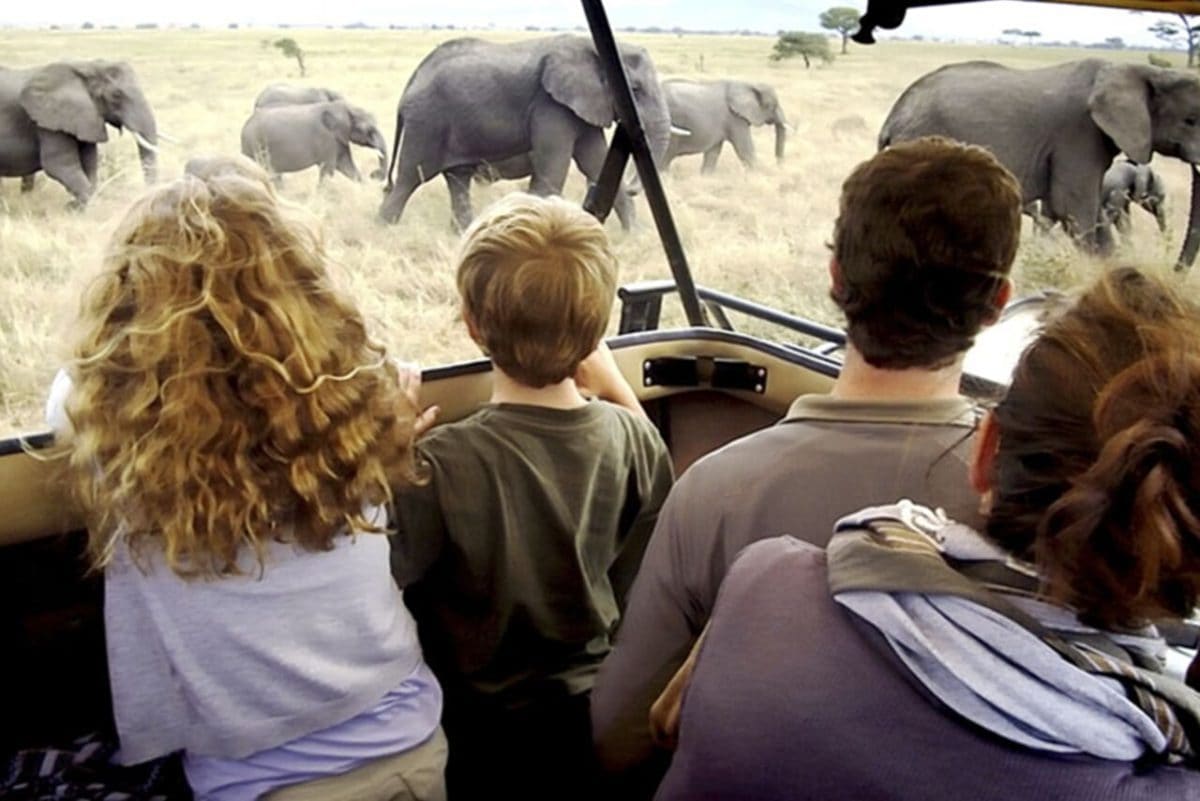
Packing for Uganda is about more than choosing comfortable clothes. One morning, you might be watching elephants cross the savannah in Queen Elizabeth National Park; the next, you could be walking through a cool, muddy rainforest in search of mountain gorillas. Your Uganda safari packing list needs to prepare you for both experiences without filling your suitcase with unnecessary items.
The right clothing, footwear, health supplies, and travel equipment will help you enjoy your adventure with greater comfort and confidence. Whether you are planning gorilla trekking in Bwindi Impenetrable National Park, chimpanzee tracking in Kibale Forest, or wildlife viewing in Murchison Falls National Park, preparation makes a real difference.
This guide explains what to wear on a Uganda safari, which essentials belong in your luggage, how to prepare for different seasons, and what you can safely leave at home. With practical advice from Bigodi Africa Expeditions, you can prepare for your trip and focus on the extraordinary wildlife and landscapes waiting for you.
Quick Facts: Uganda Safari Packing List at a Glance
Before you start packing, use this summary to identify the essentials.
| Category | What to Pack |
|---|---|
| Clothing | Lightweight shirts, long trousers, neutral-coloured outfits |
| Warm layers | Fleece, sweater, lightweight jacket |
| Rain protection | Waterproof jacket, rain cover for your backpack |
| Footwear | Comfortable walking shoes and waterproof hiking boots for trekking |
| Gorilla trekking | Gardening gloves, gaiters, small daypack |
| Sun protection | Sunscreen, sunglasses, wide-brimmed hat |
| Health | Insect repellent, personal medication, basic first-aid supplies |
| Documents | Passport, visa documents if required, insurance details, permit confirmation |
| Electronics | Camera, binoculars, power bank, Type G plug adapter |
| Luggage | Soft-sided duffel bag and a smaller daypack |
The golden rule: Pack lightweight layers for changing temperatures, reliable rain protection for forest activities, and footwear suited to your itinerary.
1. What to Wear on a Uganda Safari
Choosing suitable Uganda safari clothing helps you stay comfortable during long game drives, forest walks, and outdoor activities. Uganda has varied landscapes and elevations, so clothing that works on a warm afternoon in the savannah might not be enough for an early morning in the mountains.
Choose lightweight, breathable fabrics
Pack cotton blends or technical fabrics that feel comfortable in warm weather. Quick-drying materials are particularly useful when clothes become damp from rain, sweat, or washing.
Bring several short-sleeved shirts, lightweight long-sleeved tops, and comfortable trousers. Long sleeves also help protect your skin from insects, sunlight, thorny plants, and stinging nettles.
Stick to practical, neutral colours
Khaki, olive green, brown, beige, and muted grey are sensible choices for wildlife viewing. They look appropriate in the bush, hide dust reasonably well, and are easy to combine into different outfits.
Avoid military-style camouflage, which civilians should not wear in Uganda. You also do not need to buy an entirely new safari wardrobe. Comfortable clothing you already own can work perfectly well.
Pack layers for cool mornings
Early game drives can feel chilly, especially when travelling in an open vehicle. Forest destinations such as Bwindi can also be cool and damp.
Include a lightweight fleece, a warm layer, and a jacket that blocks wind or rain. You can remove layers as the day warms up rather than carrying a bulky winter coat.

2. Gorilla Trekking Packing List: Essential Gear for Bwindi
Gorilla trekking requires more preparation than an ordinary wildlife drive. The terrain can be steep, slippery, muddy, and covered with dense vegetation. Your equipment should protect you while allowing you to walk comfortably for several hours.
Waterproof hiking boots
Choose sturdy, waterproof hiking boots with good traction and ankle support. Break them in before travelling; wearing brand-new boots on a long trek can lead to painful blisters.
Bring several pairs of comfortable hiking socks, preferably moisture-wicking materials. A spare pair can be particularly useful after a wet trek.
Gardening gloves and gaiters
Gardening gloves might seem unusual on a holiday packing list, but they are practical in dense forest. They protect your hands when holding branches or moving past thorny vegetation.
Gaiters help prevent mud, insects, and debris from entering your boots. They are especially useful when trails are wet.
Waterproof jacket and trekking trousers
Pack lightweight, quick-drying trousers and a long-sleeved shirt. A breathable waterproof jacket is essential because mountain forest weather can change quickly.
Avoid heavy jeans, which become uncomfortable when wet and take a long time to dry.
A comfortable daypack
Carry a small backpack for water, snacks, your rain jacket, sunscreen, insect repellent, and camera equipment. Keep it light enough to manage on uneven ground.
A walking stick can also help with balance. Park staff or your tour operator may be able to arrange one locally.

3. Uganda Safari Essentials for Game Drives
Game drives in Queen Elizabeth National Park, Murchison Falls National Park, and Lake Mburo National Park call for a slightly different set of items.
You will spend considerable time sitting in a vehicle, watching animals, photographing landscapes, and sometimes travelling along dusty roads.
Binoculars and camera equipment
Binoculars make it easier to observe distant wildlife, including birds, antelope, and animals resting in the grass. A camera with a suitable zoom lens is useful for capturing wildlife without approaching animals unnecessarily.
Pack spare batteries, memory cards, lens-cleaning equipment, and a protective camera bag. A small dustproof or waterproof pouch can help protect electronics from road dust and sudden showers.
Sun protection
Bring a wide-brimmed hat, sunglasses, and broad-spectrum sunscreen. Even when the sky is cloudy, prolonged outdoor exposure can affect your skin.
Lip balm and a reusable water bottle are also worthwhile additions, particularly on long drives.
Comfortable everyday footwear
You do not need heavy trekking boots for every game drive. Comfortable closed shoes are usually sufficient for vehicle-based wildlife viewing and walks around your lodge, depending on the activity.
Pack sandals for relaxing at camp or at your accommodation. If your itinerary includes walking safaris, follow your guide’s footwear recommendations.

4. Health, Hygiene, and Personal Care Items
Health supplies deserve a place near the top of your Uganda safari checklist. Some lodges are far from large towns, and a forgotten personal medication may not be easy to replace.
Pack the following:
- Insect repellent suitable for mosquitoes and other biting insects.
- Sunscreen and after-sun moisturiser if you use one.
- Personal prescription medicines in their original packaging.
- A basic first-aid kit with blister plasters, antiseptic wipes, and dressings.
- Hand sanitiser and tissues.
- Personal toiletries, toothbrush, toothpaste, and deodorant.
- Any recommended travel-health supplies based on advice from your healthcare professional.
Uganda has a risk of malaria. Consult a qualified travel-health professional before departure about appropriate preventive medication, vaccinations, and other precautions for your itinerary.
Travellers should also check current entry requirements and health documentation well before departure. Requirements can depend on your travel history and the regulations in force at the time.
For gorilla trekking, follow your ranger’s instructions about respiratory illness precautions and any applicable mask requirements. Protecting wildlife from human-transmitted infections is an important responsibility.
5. Documents, Money, and Travel Essentials
Your clothing may determine how comfortable you feel, but your documents determine whether your trip runs smoothly.
Keep important paperwork in your hand luggage rather than placing everything in your checked suitcase.
Your Uganda safari packing list should include:
- A valid passport and any required visa approval.
- Flight tickets and accommodation confirmations.
- Gorilla or chimpanzee trekking permit confirmation, where applicable.
- Travel insurance documents and emergency contact information.
- Relevant vaccination certificates, if required.
- Copies of important documents stored securely.
- Payment cards and some local currency for small purchases and tips.
Check the passport validity and visa conditions applicable to your nationality before travelling. Confirm the current requirements through the relevant official authorities rather than relying on an old travel checklist.
Keep some cash available for purchases in remote areas where card payments may not be practical. If you plan to carry US dollars, check current acceptance practices and banknote requirements before departure.
6. Uganda Safari Packing List for Different Seasons
Uganda is a year-round safari destination, but rainfall, temperatures, and trail conditions vary by location and season. Your itinerary matters as much as the calendar.
Drier periods
The relatively drier periods generally occur around December to February and June to August, although conditions vary between regions and individual years.
During these months, prioritise breathable clothing, sun protection, comfortable footwear, and a warm layer for early mornings.
Do not leave your waterproof jacket at home. Rain can still occur, especially in mountainous forest areas.
Wetter periods
Rainier periods commonly occur around March to May and September to November. Trails in forest destinations may become muddier, and clothing can take longer to dry.
Bring an effective waterproof jacket, gaiters, quick-drying trousers, spare socks, and a waterproof cover for your daypack.
Pack a small bag to separate wet or muddy clothing from clean items after trekking. This simple step can keep the rest of your luggage much more comfortable to manage.
What about temperatures?
Conditions differ between lowland savannah parks and higher-elevation destinations such as Bwindi and Mgahinga. Instead of packing for one national average, check the expected weather for each stop on your route.

7. Electronics, Charging, and Practical Extras
Your electronics can improve your safari experience, but only if you can keep them charged and protected.
Uganda uses Type G electrical sockets, the three-pin style also used in the United Kingdom. Check whether your devices support the local electrical supply and bring a compatible adapter.
A power bank is useful during long drives and excursions. A headlamp or small torch can help when walking around a camp after dark, subject to your accommodation’s safety guidance.
Consider packing these additional items:
- Phone and charging cables.
- Universal travel adapter.
- Power bank.
- Camera batteries and spare memory cards.
- Binoculars.
- Small dry bag for valuable electronics.
- Reusable shopping or laundry bags where appropriate.
Avoid bringing more electronics than you can comfortably manage. A phone with a good camera may be enough for some travellers, while dedicated wildlife photographers may need additional equipment.
8. How Much Luggage Should You Bring?
One common mistake is packing for every possible situation. Too many clothes, extra shoes, and unnecessary equipment make transfers between lodges more difficult.
A soft-sided duffel bag is often a practical choice for safari vehicles and small domestic aircraft. If your itinerary includes a scheduled or charter flight, check the operator’s exact baggage allowance, including any restrictions on bag dimensions and carry-on items.
Do not assume that every domestic flight permits the same weight. Some safari flights have strict limits, and the allowance may include your daypack or other hand luggage.
For many travellers, a useful arrangement is one main bag, one small daypack, and a separate personal item for documents and valuables.
Laundry facilities may be available at your accommodation, but availability, cost, and turnaround times vary. Pack enough clothing for your route rather than assuming laundry will always be ready overnight.
9. What Not to Pack for a Uganda Safari
Packing wisely also means knowing what to leave behind.
- Military camouflage: Avoid camouflage clothing because civilians should not wear military-style uniforms in Uganda.
- Excessive luggage: Large, heavy bags create unnecessary difficulties during transfers.
- Brand-new trekking boots: Break them in before your trip.
- Unnecessary valuables: Expensive jewellery and accessories add little value to a wildlife adventure.
- Too many outfits: Choose clothing that can be mixed, layered, and reused.
- Unapproved drones: Do not bring or operate a drone in protected areas without confirming and obtaining all required permissions.
- Single-use plastic bags: Check Uganda’s current restrictions and pack compliant reusable alternatives.
You do not need a completely separate outfit for every park. Focus on versatile clothing, activity-specific footwear, and reliable protection against rain, sun, and insects.
10. Practical Packing Tips for a Smoother Safari
A few simple decisions can make your trip more comfortable before you even arrive.
Prepare your trekking outfit early
Set aside your hiking boots, socks, long trousers, long-sleeved shirt, gloves, and waterproof jacket together. Try everything on before departure to ensure that it fits comfortably.
Keep essentials accessible
Place your passport, medicines, phone charger, and important confirmations where you can reach them easily. Avoid packing essential medication in a bag that may be inaccessible during transfers.
Protect equipment from moisture
Use a waterproof pouch or dry bag for your phone, camera, and important documents on forest excursions. Ordinary backpacks are not necessarily waterproof, even when their fabric feels thick.
Confirm details with your tour operator
Ask about luggage limits, trekking conditions, packed lunches, walking sticks, and equipment that might be available locally. These details can vary depending on the park, accommodation, and itinerary.
Bigodi Africa Expeditions can help travellers prepare for the activities on their planned safari, making it easier to distinguish essential equipment from items that are optional.
Frequently Asked Questions
1. What should I pack for a Uganda safari?
Pack lightweight neutral-coloured clothing, long trousers, long-sleeved shirts, a warm layer, a rain jacket, comfortable shoes, sunscreen, insect repellent, and personal medication. Add binoculars and camera equipment if you enjoy wildlife photography. Gorilla trekking requires sturdy waterproof hiking boots and additional forest gear.
2. What should I wear for gorilla trekking in Uganda?
Wear waterproof hiking boots with good grip, long trousers, a long-sleeved shirt, hiking socks, and a waterproof jacket. Gardening gloves and gaiters are useful for protecting your hands and keeping mud and debris out of your boots. Choose quick-drying clothes rather than heavy jeans.
3. Can I wear shorts on a Uganda safari?
Yes. Shorts can be comfortable around lodges and during warm-weather activities. However, long trousers are generally more practical for gorilla trekking and forest walks because they protect your legs from insects, thorny plants, and nettles.
4. Do I need waterproof boots for Uganda?
Waterproof hiking boots are strongly recommended for gorilla trekking in Bwindi and Mgahinga, where muddy and uneven terrain can make walking difficult. For ordinary game drives, comfortable closed shoes are usually sufficient. Choose footwear according to the activities included in your itinerary.
5. What luggage is best for a Uganda safari?
A soft-sided duffel bag is often the most convenient option, particularly if your trip includes domestic flights or several lodge transfers. Check the baggage rules of your actual flight operator before departure. Carry important documents, essential medication, and valuables separately in your hand luggage.
6. What should I pack for Uganda during the rainy season?
Bring a reliable waterproof jacket, quick-drying clothing, spare hiking socks, gaiters, and a rain cover or dry bag for your backpack. A separate bag for muddy clothing is useful after forest activities. Even in relatively dry months, keep rain protection available for gorilla trekking.
7. Do I need insect repellent on a Uganda safari?
Yes. Insect repellent is a sensible part of your packing list, particularly for outdoor activities. Use an appropriate product according to its label, and consult a travel-health professional about malaria prevention and other health precautions before travelling.
Conclusion: Prepare Well for Your Uganda Safari
A successful Uganda safari starts with practical preparation. The most important items are comfortable neutral-coloured clothing, dependable footwear, rain protection, sun protection, personal health supplies, and the correct travel documents.
For gorilla trekking, prioritise waterproof hiking boots, long trousers, gloves, and a lightweight daypack. For game drives, focus on comfortable layers, binoculars, and the camera equipment you genuinely need. Keep your luggage manageable and confirm any flight-specific baggage restrictions before departure.
Use this Uganda safari packing list as your starting point, then adjust it to your destinations, travel dates, and planned activities.
Ready to plan your African adventure? Bigodi Africa Expeditions can help you organise a safari tailored to your interests, from mountain gorilla trekking to unforgettable wildlife encounters across Uganda. Book your dream safari and start planning today. Africa is waiting for you!