Best National Parks in Uganda for Safari in 2026: Wildlife, Gorillas, Chimps, Costs & Itineraries
23/09/2026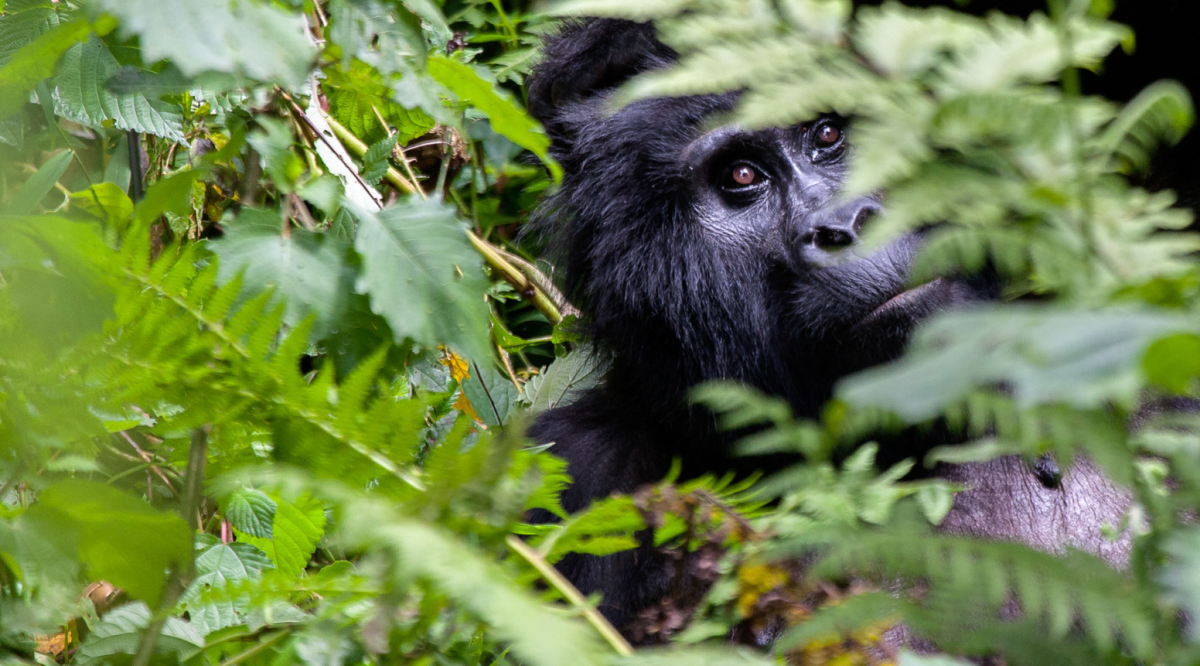
Best Family Uganda Safari Packages for a Stress-Free Trip
The first time your child sees an elephant walking across the road, you will understand why family Uganda safari packages are becoming such a compelling choice for adventurous families. Uganda does not offer the typical resort-style family holiday, and that is exactly why the right safari can be so memorable.
Instead of spending your days beside a swimming pool, your family can watch elephants from a 4×4, cruise past hippos on the Kazinga Channel, search for lions across the savannah, meet local communities and wake up surrounded by forest.
But there is a catch: not every Uganda safari works well for children. Long drives, early mornings, unsuitable activities and poorly chosen accommodation can turn an exciting adventure into an exhausting one.
The best Uganda family tours are built around your children’s ages, interests and energy levels. This guide breaks down the smartest packages for 2026, what they cost, which parks work best, what children can do at different ages and how to avoid common planning mistakes.
Quick Facts About Family Uganda Safaris
| Planning factor | What families should know |
|---|---|
| Best overall trip length | 5–10 days |
| Best first safari park | Queen Elizabeth National Park |
| Best for shorter trips | Lake Mburo National Park |
| Best for classic wildlife | Murchison Falls National Park |
| Gorilla trekking age | 15 years and above |
| Chimpanzee tracking | Age restrictions apply by activity and destination |
| Best transport | Private 4×4 safari vehicle |
| Ideal family setup | Private itinerary with flexible timing |
| Gorilla permit | $800 standard foreign non-resident rate |
| Gorilla low season | $600 in April, May and November |
| Major park entry | Generally around $40–$45 for foreign adults, depending on current tariff |
| Best approach | Build the itinerary around the youngest traveller |
One important point: family Uganda safari packages are not simply adult safaris with children added to the booking. The itinerary needs to change.
That means shorter driving days where possible, flexible meal times, family-sized rooms, activities that alternate between excitement and relaxation, and a private vehicle that allows your guide to stop when the children need a break.
Why Uganda Family Tours Work So Well
Uganda is a particularly interesting choice for families because a safari does not have to mean sitting in a vehicle twice a day.
A good Uganda family safari can combine game drives, boat cruises, forest experiences, cultural visits, nature walks and relaxed time around a lodge. That variety matters because even children who love animals can become restless after several hours in a vehicle.
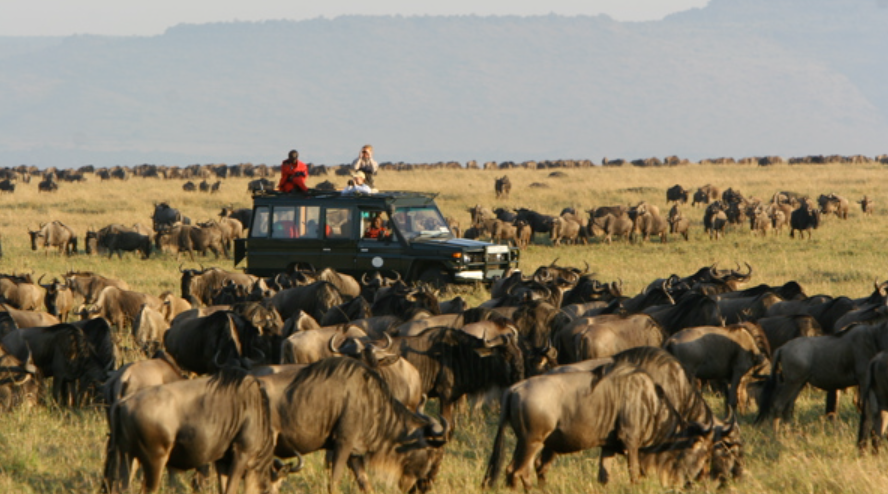
Queen Elizabeth National Park is one of the strongest family bases. Families can combine game drives with the famous Kazinga Channel boat cruise, where hippos, crocodiles, elephants and waterbirds can often be seen close to the shoreline.
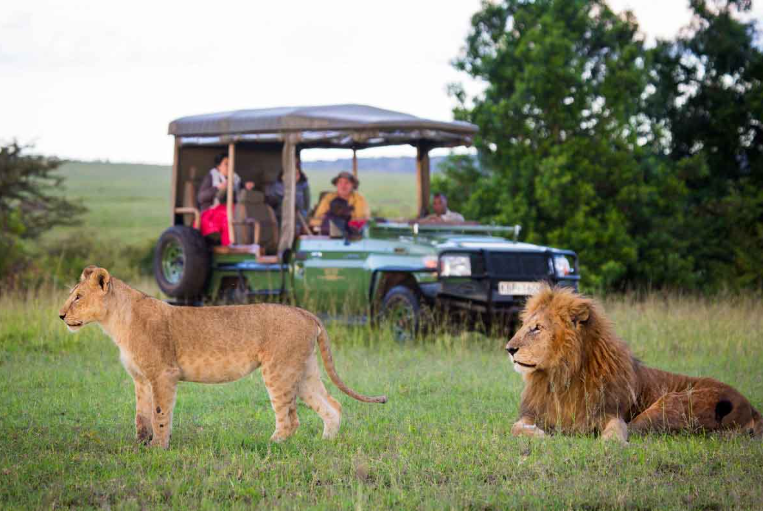
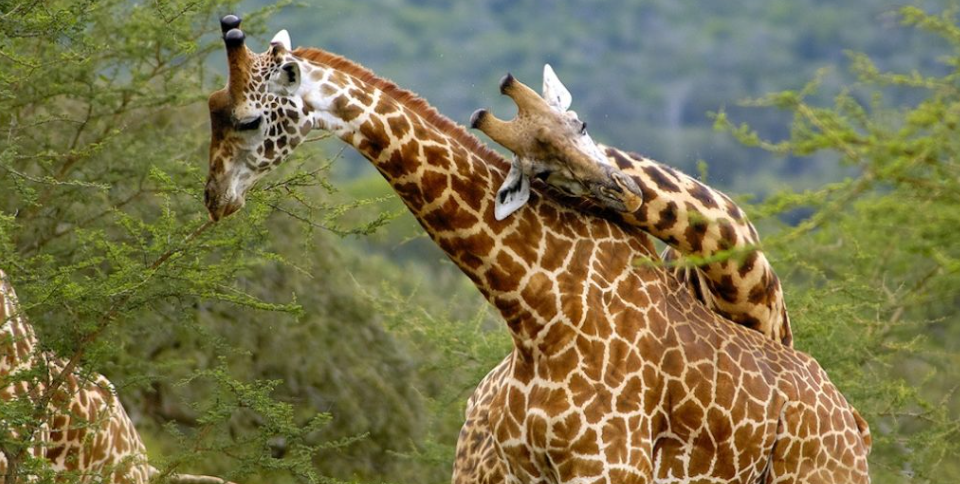
Murchison Falls National Park is another excellent choice for families who want a classic savannah experience. The park offers large landscapes, elephants, giraffes, buffaloes, lions and boat trips on the Nile. The sheer variety gives children plenty to watch and talk about.
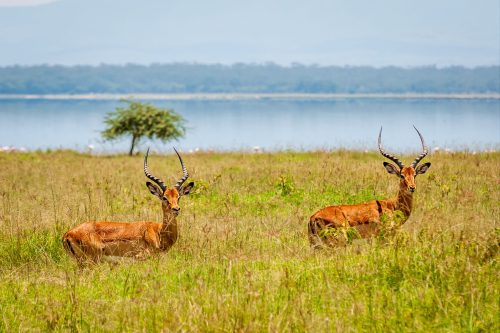
Lake Mburo National Park is particularly useful for younger families because it can fit into shorter itineraries. Zebra, impala, buffalo and other wildlife can be encountered without committing to the longest western Uganda transfers.
The biggest advantage: flexibility
Private Uganda family tours allow your guide to adjust the day around your children.
If everyone is tired, you can return to the lodge. If your children are fascinated by elephants, you can spend longer watching them. If a child needs a snack, bathroom break or quiet afternoon, the schedule can change.
That flexibility is worth paying for.
A cheap shared safari may look attractive on paper, but saving a few hundred dollars is not much of a victory if your children spend half the trip exhausted because the group has to follow someone else’s timetable.
7 Family Safari Packages Uganda Families Should Consider
There is no single best package for every family. The right choice depends heavily on children’s ages, available time and whether gorilla trekking is important.
1. Three-Day Lake Mburo Family Safari
Best for: Families with younger children or limited time.
Lake Mburo is a smart introduction to safari life. The journey from Entebbe or Kampala is considerably more manageable than going deep into western Uganda, and the park provides a good mixture of wildlife and outdoor activities.
A typical itinerary includes arrival, an afternoon game drive, a full wildlife day and a final morning activity before returning.
This is one of the simplest family safari packages Uganda can offer because it does not overload children with constant transfers.
2. Five-Day Queen Elizabeth Family Safari
Best for: First-time safari families.
This is arguably the best all-rounder.
A five-day trip can include travel to Queen Elizabeth National Park, game drives, a Kazinga Channel boat cruise and enough downtime to prevent the trip from feeling rushed.
For younger children, the itinerary can emphasize game drives and the boat cruise rather than physically demanding forest activities.
3. Seven-Day Uganda Wildlife Family Safari
Best for: Families wanting more wildlife without gorilla trekking.
Seven days gives you room to combine Queen Elizabeth with another destination or spend additional time exploring one region properly.
This is where Uganda family tours become much more rewarding than rushed three-day trips. You can include wildlife, scenery, cultural activities and relaxation without turning every day into a transfer day.
4. Seven-Day Family Safari With Bwindi
Best for: Families with teenagers aged 15+.
If everyone participating in gorilla trekking meets the minimum age requirement, Bwindi can become the highlight of the trip.
The important detail is that gorilla trekking is not an activity for children under 15. Families with younger children therefore need a different plan for the day.
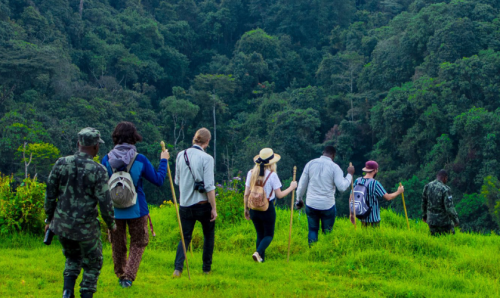
For teenagers, however, the experience can be extraordinary. A family can combine Queen Elizabeth wildlife viewing, a scenic transfer toward Bwindi an d a gorilla trekking experience before relaxing around Lake Bunyonyi.
5. Eight-Day Wildlife and Lake Bunyonyi Family Safari
Best for: Families wanting wildlife plus relaxation.
Lake Bunyonyi is a natural counterbalance to busy safari days.
After game drives and long transfers, families can slow down around the lake, enjoy the scenery and have a less structured day.
This is one of the better family Uganda safari packages for parents who want adventure without making the entire holiday physically demanding.
6. Ten-Day Uganda Family Adventure
Best for: Families with older children who want variety.
Ten days gives you much more flexibility.
A carefully designed itinerary could combine Murchison Falls, Kibale, Queen Elizabeth, Bwindi and Lake Bunyonyi. However, that does not mean every family should visit all of them.
The mistake is trying to collect parks like passport stamps.
A professional operator should remove unnecessary transfers rather than proudly adding more destinations to the itinerary.
7. Uganda Family Safari With Gorilla Trekking
Best for: Families with teenagers 15 and above.
For families who specifically want gorillas, the gorilla permit becomes one of the biggest components of the budget.
The standard foreign non-resident permit is currently $800 per person, while the 2026 low-season rate is $600 for April, May and November.
That makes the timing of your trip financially important.
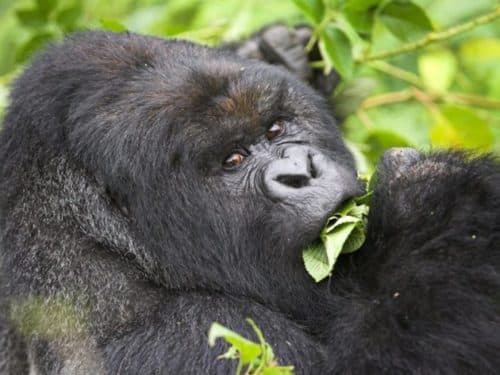
Uganda Safari With Kids: How Age Changes Your Itinerary
The smartest Uganda safari with kids is designed around the youngest traveller rather than the most adventurous adult.
Ages 0–5
Very young children can travel, but expectations need to be realistic.
Long game drives may be difficult, so prioritize private transport, shorter activities, comfortable lodges and destinations that do not require constant movement.
Lake Mburo and Queen Elizabeth can work well when the itinerary is kept relaxed.
Ages 6–10
This is often a great age for introducing children to wildlife.
Kids can become deeply interested in animal tracking, especially when the guide turns sightings into a game.
Ask your guide to explain tracks, animal calls, dung, feeding patterns and footprints. Suddenly a drive becomes a wildlife detective exercise rather than simply “looking for animals.”
Ages 11–14
Older children can handle longer drives and more active experiences.
Chimpanzee activities may become an option depending on the specific destination and current rules, while boat cruises, nature walks and cultural activities can add variety.
However, the gorilla trekking age restriction remains crucial: children under 15 cannot join the standard gorilla trek.
Ages 15+
Teenagers have considerably more options.
This is the age when gorilla trekking can be added, along with more demanding forest experiences and longer wildlife days.
For many families, this is the ideal age for a deeper Uganda family safari because teenagers can appreciate both the adventure and conservation side of the experience.
How Much Do Family Uganda Safari Packages Cost?
There is no honest single price for family Uganda safari packages because the total depends on group size, accommodation level, itinerary length, activities, season and whether gorilla permits are included.
As a broad planning guide, families should expect private mid-range safaris to cost more per person than shared trips because the vehicle and guide costs are distributed across fewer travellers.
| Safari style | Typical duration | Family profile | Main features |
|---|---|---|---|
| Short safari | 3–4 days | Young families | Lake Mburo or Queen Elizabeth |
| Classic family safari | 5–7 days | Most families | Game drives + boat cruise |
| Extended safari | 8–10 days | Older children | Multiple parks + varied activities |
| Gorilla family safari | 7–10 days | Ages 15+ | Wildlife + Bwindi |
| Luxury family safari | 7–12 days | Comfort-focused | Premium lodges + private vehicle |
The gorilla permit needs special attention.
For a foreign non-resident, the standard permit is currently $800. In April, May and November, the current low-season rate is $600.
That permit is only one component of your total trip. Accommodation, transport, meals, park activities, guide services, flights, visas, insurance and personal expenses may be additional depending on the package.
The smartest way to compare Uganda family tours is therefore not to compare the headline price alone.
Ask what is included.
A $2,000 package and a $2,400 package can represent very different value if the second includes better accommodation, private transport, park fees, meals and activities that the first charges separately.
Best Parks for Family Safari Packages Uganda
Choosing the right park is more important than squeezing the maximum number of destinations into your itinerary.
Queen Elizabeth National Park
Best overall family choice.
The park combines savannah wildlife with the Kazinga Channel boat cruise. That combination is perfect for children because the experience changes from vehicle to boat.
The park also gives families opportunities to see elephants, buffaloes, hippos, antelopes, lions and many bird species.
Murchison Falls National Park
Best for classic African scenery.
The Nile, savannah landscapes and powerful Murchison Falls give the park a strong sense of adventure.
Families can combine game drives with a boat cruise, making it easier to break up the day.
Lake Mburo National Park
Best for younger children and shorter trips.
Its accessibility makes it useful for families that do not want to spend several days driving between distant parks.
It can also provide a gentler introduction to safari before attempting a longer itinerary.
Kibale Forest
Best for older children interested in primates.
Chimpanzee experiences can be fascinating for teenagers, although families must check current age requirements for the exact activity before booking.
Kibale also adds a completely different environment to a savannah-heavy safari.
Bwindi Impenetrable National Park
Best for families with trekkers aged 15+.
Bwindi is the destination to choose when gorilla trekking is the priority.
For families with younger children, however, it should not dominate the itinerary. Instead, parents can build a parallel experience around nature, community activities and relaxation while eligible family members trek.
Insider Tips for Planning Uganda Family Tours
Choose a private vehicle
This is probably the single best upgrade for families.
A private 4×4 gives you control over the day’s rhythm. Children can snack, ask questions, stop for breaks and return to the lodge when necessary.
Don’t schedule a major activity every morning
This is a common mistake.
Parents often want to maximize the money they have spent. The result is an itinerary where every morning starts before sunrise and every afternoon contains another activity.
That sounds productive.
It feels exhausting.
Leave breathing room.
Tell the lodge about your children before arrival
Do not assume a lodge knows you are traveling with children.
Mention ages, dietary needs and room requirements when booking.
Family cottages or connected rooms can make a huge difference, especially after long safari days.
Bring binoculars for the children
A small pair of binoculars can completely change a game drive.
Children become active participants rather than passengers waiting for an animal to appear.
Turn wildlife into a game
Ask children to create a simple checklist: elephant, giraffe, zebra, hippo, buffalo, crocodile, lion and different bird species.
Older children can record sightings in a notebook.
This costs almost nothing but can dramatically improve engagement.
Plan around the youngest traveller
If your youngest child needs an afternoon nap, build it into the itinerary.
If your teenager wants more adventure, add it selectively.
The strongest family Uganda safari packages are flexible enough to satisfy both without exhausting either.
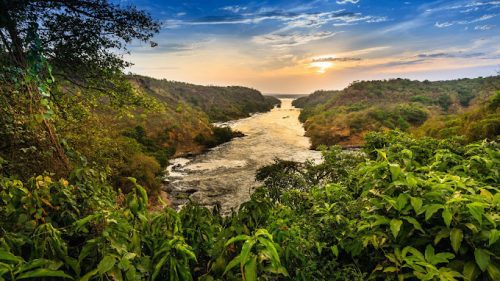
A Smart 7-Day Family Uganda Itinerary
For many families, seven days is a strong middle ground between a short introduction and an exhausting extended trip.
Day 1 — Entebbe arrival
Arrive, settle into your accommodation and keep the evening relaxed.
Day 2 — Travel toward Queen Elizabeth
Take the journey west with stops chosen around the family’s interests and energy.
Day 3 — Queen Elizabeth game drive
Enjoy a morning wildlife drive, rest during the hottest part of the day and consider another short activity later.
Day 4 — Kazinga Channel boat cruise
This is the day when many children become particularly engaged. Hippos, crocodiles, elephants and birds can all appear along the water.
Day 5 — Transfer toward Bwindi or Lake Bunyonyi
Choose the route according to whether gorilla trekking is part of the trip.
Day 6 — Gorilla trekking or family alternative
Travellers aged 15+ can trek if permits have been secured. Younger children should have a separate age-appropriate activity.
Day 7 — Lake Bunyonyi and return planning
Enjoy a slower morning before beginning the return journey or continuing to another destination.
This structure is intentionally less aggressive than many multi-park itineraries.
That is a feature, not a weakness.
A family remembers what it experienced. It does not receive a prize for spending twelve hours inside a safari vehicle every day.
Frequently Asked Questions
Are family Uganda safari packages suitable for young children?
Yes, but the itinerary must be designed around their needs. Young children can enjoy game drives, boat cruises, wildlife viewing and selected cultural experiences. The main challenge is not safety alone; it is attention span, long drives and fatigue. Private transport, shorter activity periods, comfortable accommodation and regular breaks make the experience much more enjoyable.
What is the minimum age for gorilla trekking in Uganda?
The minimum age for standard gorilla trekking in Uganda is 15. This applies to trekking in Bwindi Impenetrable National Park and Mgahinga Gorilla National Park. Families traveling with younger children should not build the entire itinerary around gorilla trekking. Instead, eligible family members can trek while younger children take part in alternative activities arranged around the lodge or destination.
What are the best Uganda family tours for children under 15?
For children under 15, focus on wildlife rather than gorilla trekking. Queen Elizabeth National Park is particularly strong because it combines game drives with the Kazinga Channel boat cruise. Murchison Falls offers another excellent combination of savannah wildlife and river scenery, while Lake Mburo is useful for shorter, gentler family itineraries.
How long should a family safari in Uganda be?
Five to seven days works well for many first-time families. A three-day safari can work for families with limited time, especially around Lake Mburo or Queen Elizabeth. Families with older children and more interests may prefer eight to ten days. The key is avoiding too many parks. A relaxed seven-day itinerary can be much better than a rushed ten-day trip covering every major destination.
How much do family safari packages Uganda cost?
The cost varies according to the number of travellers, accommodation, duration, transport and activities. Private mid-range trips generally provide a strong balance between comfort and price. Gorilla trekking adds a significant fixed cost because the current standard foreign non-resident permit is $800 per person, with a $600 low-season rate in April, May and November. Always compare inclusions rather than headline prices.
Is Uganda safe for children on safari?
Uganda can be an excellent family destination when normal safari precautions are followed. Families should use experienced guides, follow wildlife instructions, remain inside vehicles when required and choose reputable accommodation and transport providers. The bigger practical concern is often fatigue rather than danger. Good Uganda family tours therefore use sensible driving schedules, private vehicles and age-appropriate activities.
What should children pack for a Uganda safari?
Lightweight clothing, comfortable closed shoes, sun protection, a reusable water bottle, insect repellent and a small daypack are useful. Binoculars are excellent for older children. A small notebook can also turn wildlife sightings into a fun activity. For forest areas, long trousers and comfortable walking shoes are especially useful.
Can families combine Uganda with Rwanda or Kenya?
Yes. Uganda can be combined with Rwanda, Kenya or Tanzania, but families should consider whether the extra border crossings and travel time genuinely improve the holiday. A combined itinerary makes most sense when there is a specific reason, such as adding Rwanda’s gorilla experience, Kenya’s Masai Mara or Tanzania’s Serengeti. For a first family trip, a focused Uganda itinerary is often easier and more relaxing.
Conclusion: Choose the Package Around Your Family
The best family Uganda safari packages are not necessarily the longest or most expensive. They are the ones that match your children’s ages, energy levels and interests.
Three things matter most: choose the right parks, build in downtime and use private transport whenever your budget allows. Queen Elizabeth is an excellent all-round choice, Lake Mburo works particularly well for shorter trips, and Bwindi becomes a major highlight for families with children aged 15 and above who want to trek gorillas.
Most importantly, don’t copy an itinerary designed for adults and simply add your children to it. Work backward from the family you actually have.
Bigodi Africa Expeditions can help shape the route, accommodation and activities around your family rather than forcing you into a rigid schedule. Start planning your family Uganda safari packages today and get ready for the moment your children see wild Africa for the first time — Uganda is waiting.